

Give the Gift of Choice!
Too many options? Treat your friends and family to their favourite stores with a Bayshore Shopping Centre gift card, redeemable at participating retailers throughout the centre. Click below to purchase yours today!Purchase HereHome
Introduction to Fluorescence Sensing: Volume 1: Materials and Devices
Coles
Loading Inventory...
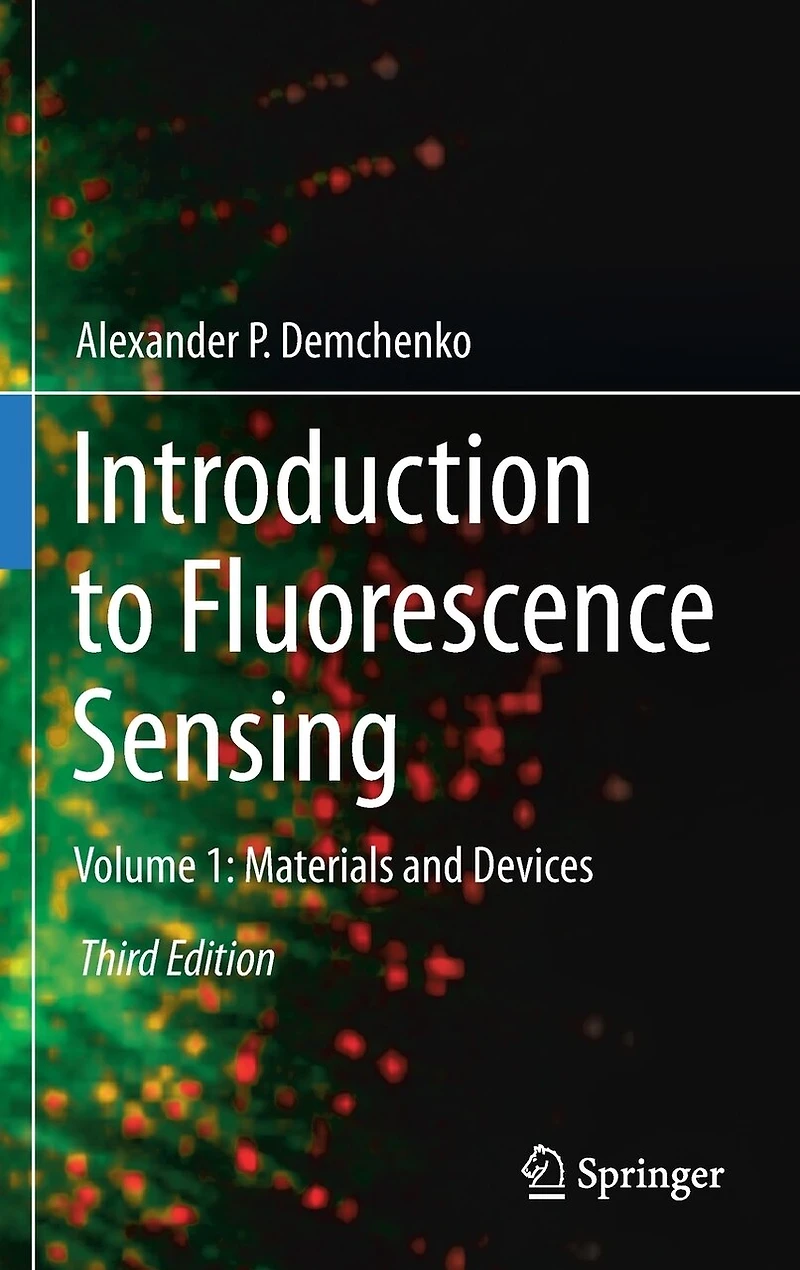
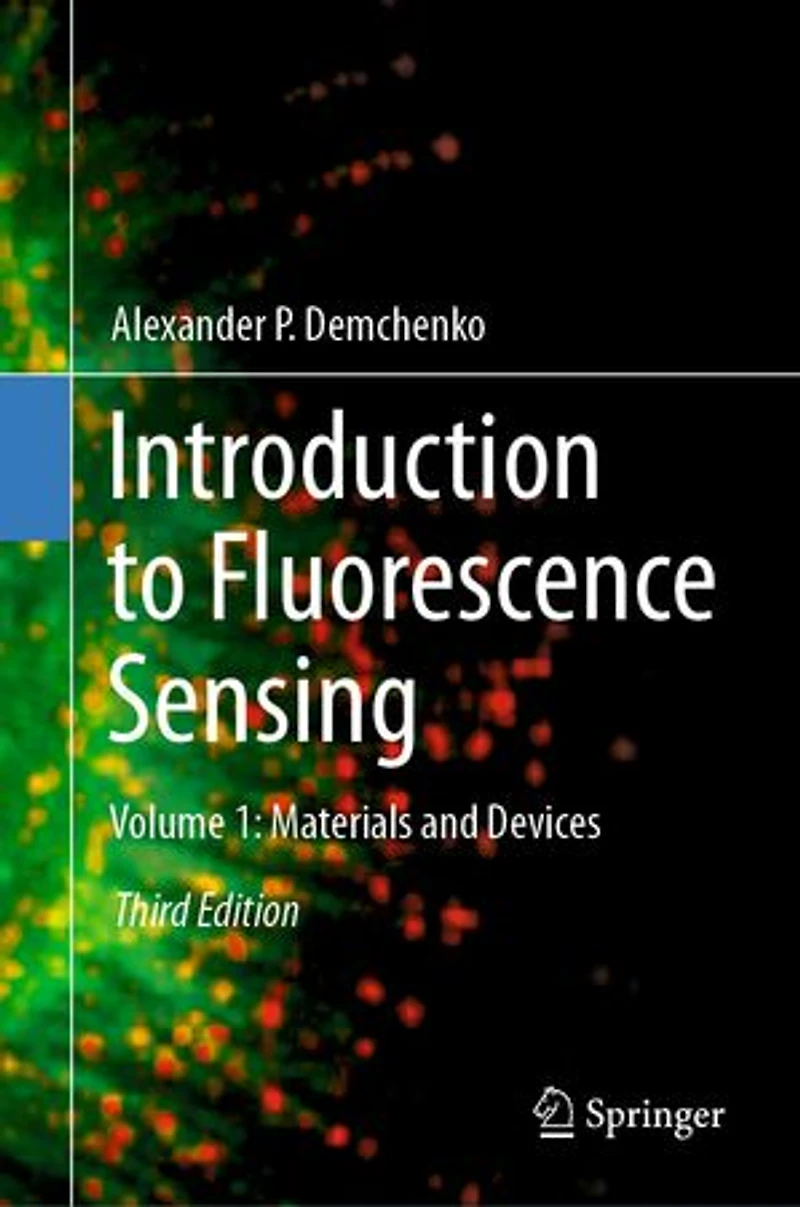
Introduction to Fluorescence Sensing: Volume 1: Materials and Devices in Ottawa, ON
Current price: $262.95

Introduction to Fluorescence Sensing: Volume 1: Materials and Devices in Ottawa, ON
Current price: $262.95
Loading Inventory...
Size: Hardcover
*Product information may vary - to confirm product availability, pricing, shipping and return information please contact Coles
This book provides systematic knowledge of basic principles in the design of fluorescence sensing and imaging techniques together with critical analysis of recent developments. Fluorescence is the most popular technique in chemical and biological sensing because of its ultimate sensitivity, high temporal and spatial resolution and versatility that enables imaging within the living cells. It develops rapidly in the directions of constructing new molecular recognition units, new fluorescence reporters and in improving sensitivity of response up to detection of single molecules. Its application areas range from control of industrial processes to environment monitoring and clinical diagnostics. Being a guide for students and young researchers, it also addresses professionals involved in active basic and applied research. Making a strong link between education, research and product development, this book discusses prospects for future progress.
This book provides systematic knowledge of basic principles in the design of fluorescence sensing and imaging techniques together with critical analysis of recent developments. Fluorescence is the most popular technique in chemical and biological sensing because of its ultimate sensitivity, high temporal and spatial resolution and versatility that enables imaging within the living cells. It develops rapidly in the directions of constructing new molecular recognition units, new fluorescence reporters and in improving sensitivity of response up to detection of single molecules. Its application areas range from control of industrial processes to environment monitoring and clinical diagnostics. Being a guide for students and young researchers, it also addresses professionals involved in active basic and applied research. Making a strong link between education, research and product development, this book discusses prospects for future progress.
You May Also Like













More About Coles at Bayshore Shopping Centre
Coles is renowned for its outstanding customer service and great selection of books. Along with the vast array of magazines, stationary, audio-books, children's literature, fiction, non-fiction and reference books, you can find accessories to make your reading experience more pleasurable. We can recommend the very best in reading today. We will help you search our titles for exactly what you need, and if we do not have it in stock, we will order it for you.
100 Bayshore Dr, Nepean, ON K2B 8C1, Canada
Find Coles at Bayshore Shopping Centre in Ottawa, ON
Visit Coles at Bayshore Shopping Centre in Ottawa, ON