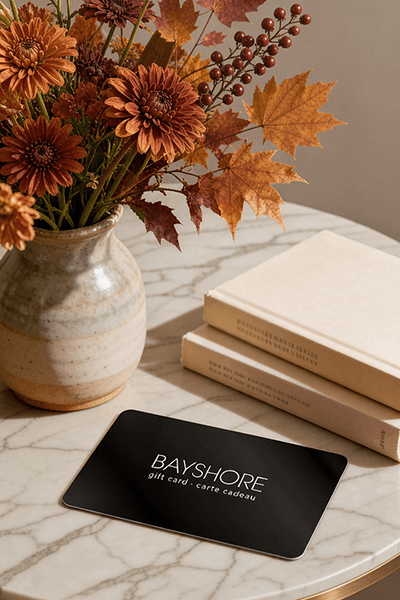
Too many options? Treat your friends and family to their favourite stores with a Bayshore Shopping Centre gift card, redeemable at participating retailers throughout the centre. Click below to purchase yours today!Purchase Here
Coles Inventing a European Nation: Engineers for Portugal, from Baroque to Fascism at Bayshore Shopping Centre in Ottawa, ON
*Product information may vary - to confirm product availability, pricing, shipping and return information please contact Coles
This book deals with the simultaneous making of Portuguese engineers and the Portuguese nation-state from the mid seventeenth century to the late twentieth century. It argues that the different meanings of being an engineer were directly dependent of projects of nation building and that one cannot understand the history of engineering in Portugal without detailing such projects. Symmetrically, the authors suggest that the very same ability of collectively imagining a nation relied on large measure on engineers and their practices. National culture was not only enacted through poetry, music, and history, but it demanded as well fortresses, railroads, steam engines, and dams.Portuguese engineers imagined their country in dialogue with Italian, British, French, German or American realities, many times overlapping such references. The book exemplifies how history of engineering makes more salient the transnational dimensions of national history. This is valid beyond the Portuguese case and draws attention to the potential of history of engineering for reshaping national histories and their local specificities into global narratives relevant for readers across different geographies.
This book deals with the simultaneous making of Portuguese engineers and the Portuguese nation-state from the mid seventeenth century to the late twentieth century. It argues that the different meanings of being an engineer were directly dependent of projects of nation building and that one cannot understand the history of engineering in Portugal without detailing such projects. Symmetrically, the authors suggest that the very same ability of collectively imagining a nation relied on large measure on engineers and their practices. National culture was not only enacted through poetry, music, and history, but it demanded as well fortresses, railroads, steam engines, and dams.Portuguese engineers imagined their country in dialogue with Italian, British, French, German or American realities, many times overlapping such references. The book exemplifies how history of engineering makes more salient the transnational dimensions of national history. This is valid beyond the Portuguese case and draws attention to the potential of history of engineering for reshaping national histories and their local specificities into global narratives relevant for readers across different geographies.
Coles is renowned for its outstanding customer service and great selection of books. Along with the vast array of magazines, stationary, audio-books, children's literature, fiction, non-fiction and reference books, you can find accessories to make your reading experience more pleasurable. We can recommend the very best in reading today. We will help you search our titles for exactly what you need, and if we do not have it in stock, we will order it for you.