

Give the Gift of Choice!
Too many options? Treat your friends and family to their favourite stores with a Bayshore Shopping Centre gift card, redeemable at participating retailers throughout the centre. Click below to purchase yours today!Purchase HereHome
IP Protection in China, Second Edition
Coles
Loading Inventory...
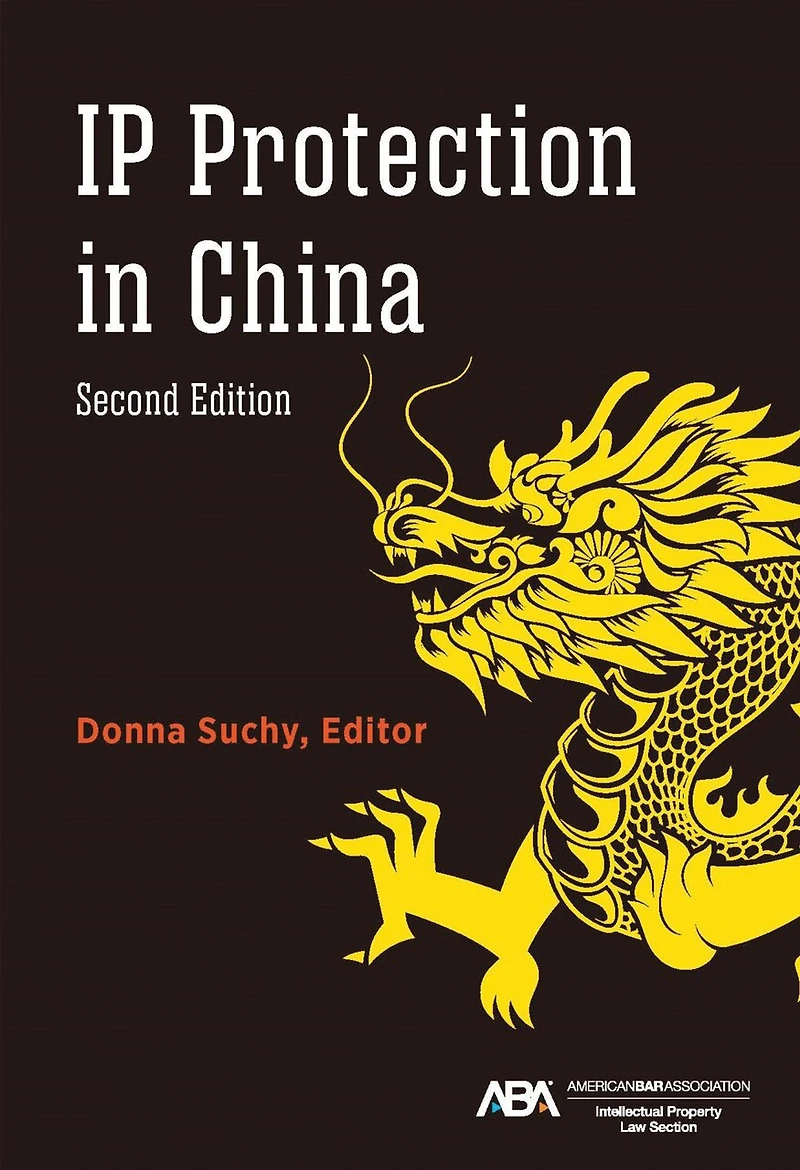
IP Protection in China, Second Edition in Ottawa, ON
Current price: $207.24

IP Protection in China, Second Edition in Ottawa, ON
Current price: $207.24
Loading Inventory...
Size: Paperback
*Product information may vary - to confirm product availability, pricing, shipping and return information please contact Coles
Before China's entry into the World Trade Organization (WTO), the Chinese IP regime was out-of-step with international standards. China has made rapid progress since then. To obtain approval for entry, it made all the necessary amendments to its Patent Law, Copyright Law, and the Trademark Law, and also revised relevant Implementation Rules to bring such measures into compliance with the Agreement on Trade-Related Aspects of Intellectual Property Rights (TRIPS). Despite full compliance with these standards, the Chinese IP system still involves distinct characteristics: for example, enforcement power is divided between two powerful and independent branches of the government, which can surprise U.S. practitioners accustomed to using the judicial branch as the primary means for addressing IP infringement issues.
Before China's entry into the World Trade Organization (WTO), the Chinese IP regime was out-of-step with international standards. China has made rapid progress since then. To obtain approval for entry, it made all the necessary amendments to its Patent Law, Copyright Law, and the Trademark Law, and also revised relevant Implementation Rules to bring such measures into compliance with the Agreement on Trade-Related Aspects of Intellectual Property Rights (TRIPS). Despite full compliance with these standards, the Chinese IP system still involves distinct characteristics: for example, enforcement power is divided between two powerful and independent branches of the government, which can surprise U.S. practitioners accustomed to using the judicial branch as the primary means for addressing IP infringement issues.








More About Coles at Bayshore Shopping Centre
Coles is renowned for its outstanding customer service and great selection of books. Along with the vast array of magazines, stationary, audio-books, children's literature, fiction, non-fiction and reference books, you can find accessories to make your reading experience more pleasurable. We can recommend the very best in reading today. We will help you search our titles for exactly what you need, and if we do not have it in stock, we will order it for you.
100 Bayshore Dr, Nepean, ON K2B 8C1, Canada
Find Coles at Bayshore Shopping Centre in Ottawa, ON
Visit Coles at Bayshore Shopping Centre in Ottawa, ON