

Give the Gift of Choice!
Too many options? Treat your friends and family to their favourite stores with a Bayshore Shopping Centre gift card, redeemable at participating retailers throughout the centre. Click below to purchase yours today!Purchase HereHome
Iranian Masculinities: Gender And Sexuality Late Qajar Early Pahlavi Iran
Coles
Loading Inventory...
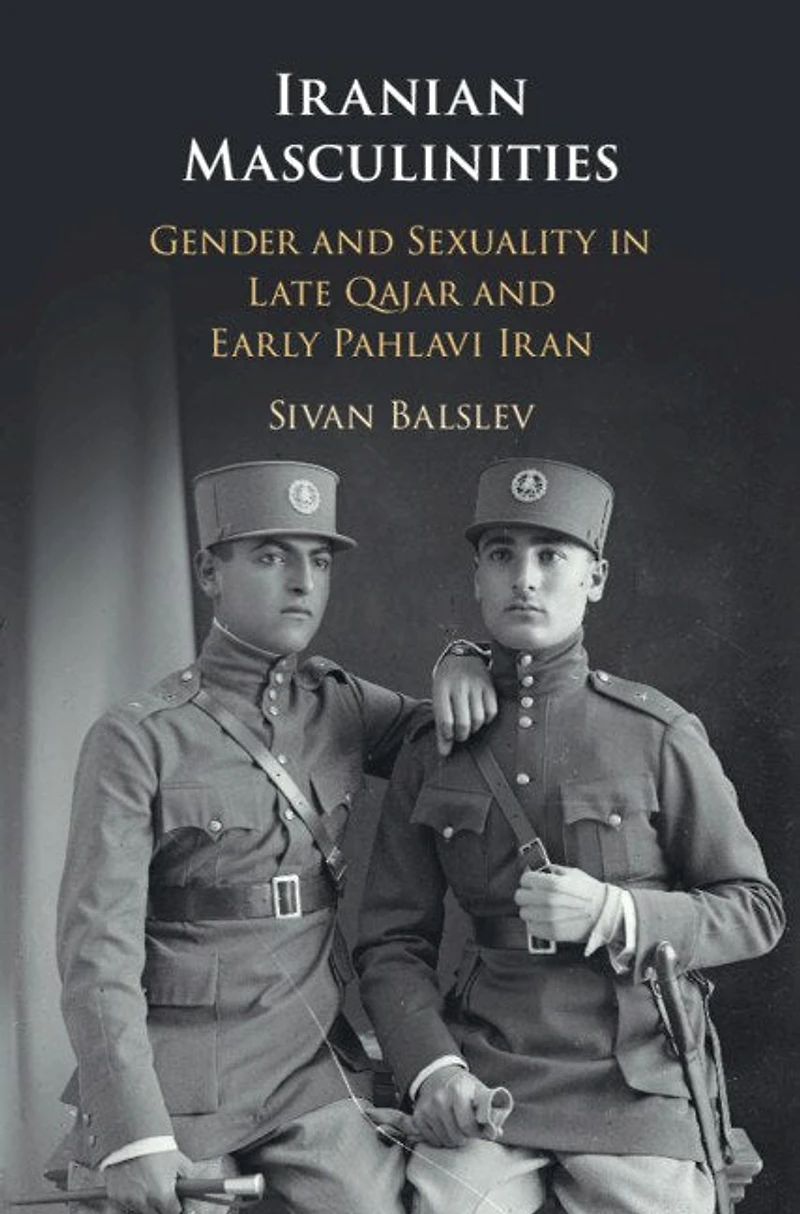
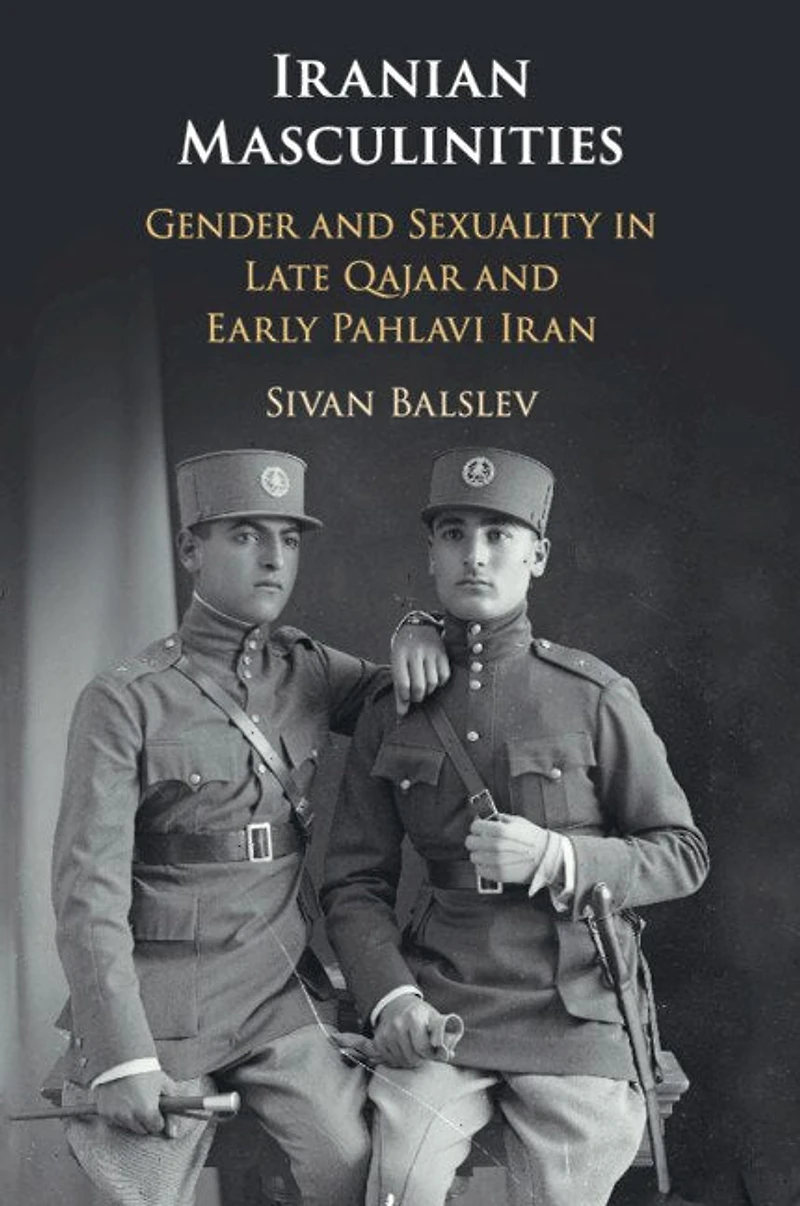
Iranian Masculinities: Gender And Sexuality Late Qajar Early Pahlavi Iran in Ottawa, ON
By None
Current price: $152.95

By None
Iranian Masculinities: Gender And Sexuality Late Qajar Early Pahlavi Iran in Ottawa, ON
Current price: $152.95
Loading Inventory...
Size: Hardcover
*Product information may vary - to confirm product availability, pricing, shipping and return information please contact Coles
The transition from Qajar rule in Iran (c.1789–1925) to that of rule by the Pahlavi dynasty (1925–1979) set in motion a number of shifts in the political, social, and cultural realms. Focusing on masculinity in Iran, this book interweaves ideas and perceptions, laws, political movements, and men's practices to spotlight the role men as gendered subjects played in Iranian history. It shows how men under the reign of Reza Shah dressed, acted, spoke, and thought differently from their late Qajar period counterparts. Furthermore, it highlights how the notion of being a "proper Iranian man" changed over these decades. Demonstrating how an emerging elite of western-educated men constructed and promoted a new model of masculinity as part of their struggle for political, social, and cultural hegemony, Balslev shows how this new model reflects wider developments in Iranian society at the time including the rise of Iranian nationalism and the country's modernisation process.
The transition from Qajar rule in Iran (c.1789–1925) to that of rule by the Pahlavi dynasty (1925–1979) set in motion a number of shifts in the political, social, and cultural realms. Focusing on masculinity in Iran, this book interweaves ideas and perceptions, laws, political movements, and men's practices to spotlight the role men as gendered subjects played in Iranian history. It shows how men under the reign of Reza Shah dressed, acted, spoke, and thought differently from their late Qajar period counterparts. Furthermore, it highlights how the notion of being a "proper Iranian man" changed over these decades. Demonstrating how an emerging elite of western-educated men constructed and promoted a new model of masculinity as part of their struggle for political, social, and cultural hegemony, Balslev shows how this new model reflects wider developments in Iranian society at the time including the rise of Iranian nationalism and the country's modernisation process.
You May Also Like







More About Coles at Bayshore Shopping Centre
Coles is renowned for its outstanding customer service and great selection of books. Along with the vast array of magazines, stationary, audio-books, children's literature, fiction, non-fiction and reference books, you can find accessories to make your reading experience more pleasurable. We can recommend the very best in reading today. We will help you search our titles for exactly what you need, and if we do not have it in stock, we will order it for you.
100 Bayshore Dr, Nepean, ON K2B 8C1, Canada
Find Coles at Bayshore Shopping Centre in Ottawa, ON
Visit Coles at Bayshore Shopping Centre in Ottawa, ON