

Give the Gift of Choice!
Too many options? Treat your friends and family to their favourite stores with a Bayshore Shopping Centre gift card, redeemable at participating retailers throughout the centre. Click below to purchase yours today!Purchase HereHome
Irregular Soldiers and Rebellious States: Small-Scale U.S. Interventions Abroad
Coles
Loading Inventory...
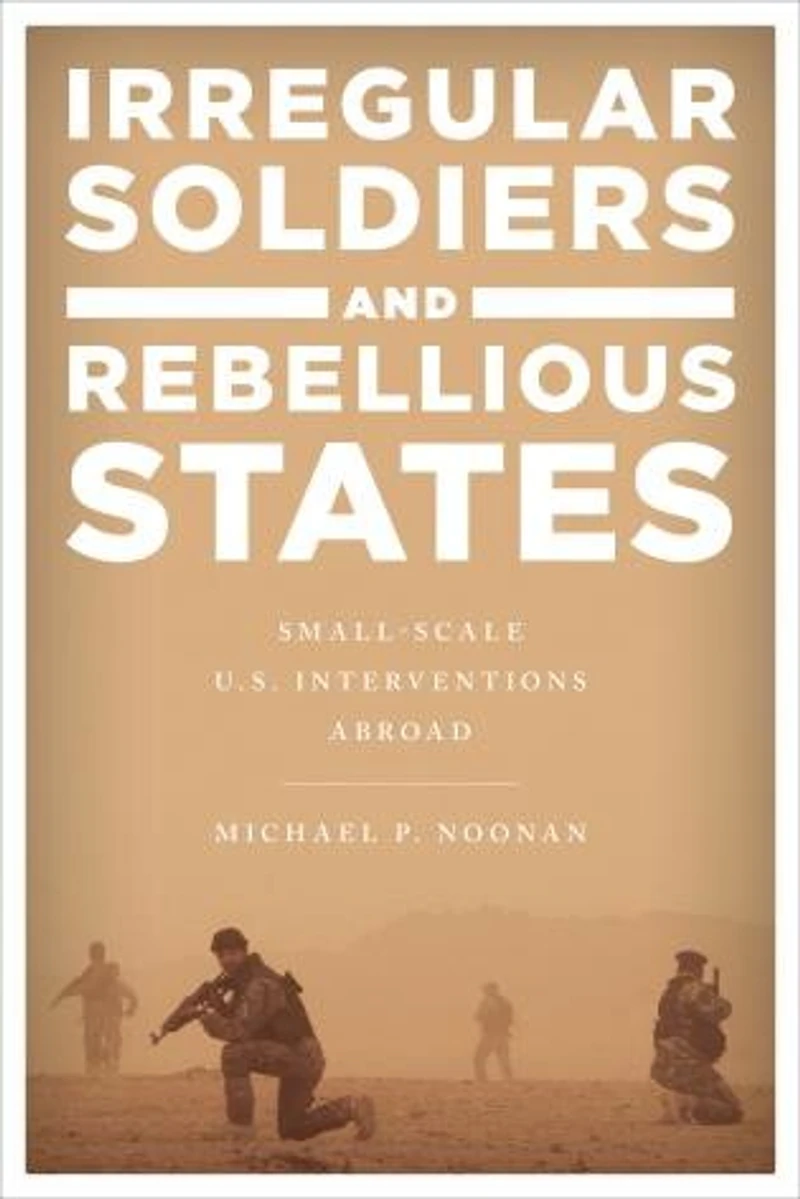
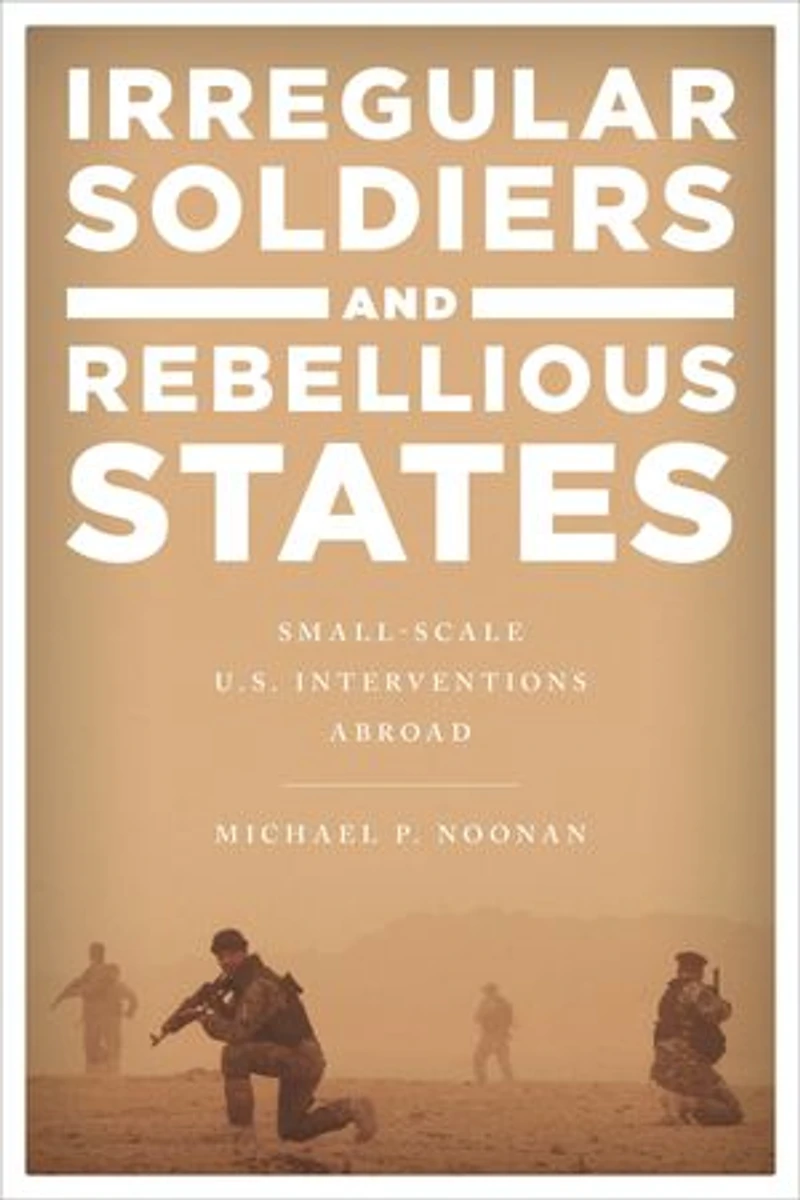
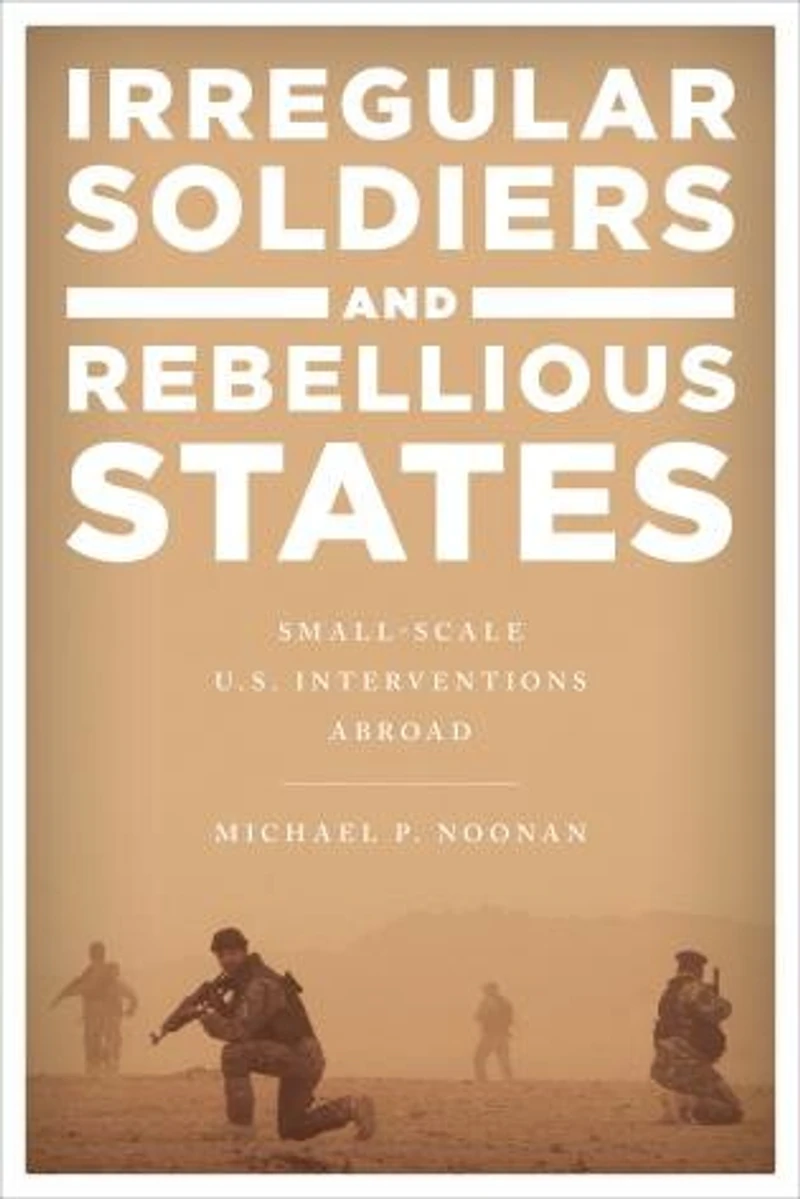
Irregular Soldiers and Rebellious States: Small-Scale U.S. Interventions Abroad in Ottawa, ON
Current price: $160.95

Irregular Soldiers and Rebellious States: Small-Scale U.S. Interventions Abroad in Ottawa, ON
Current price: $160.95
Loading Inventory...
Size: Hardcover
*Product information may vary - to confirm product availability, pricing, shipping and return information please contact Coles
With the wars in Afghanistan and Iraq seemingly drawing down, and with new calls to focus on the threats of great power competition posed by states such as China and Russia on the rise, what will happen to U.S. capabilities for dealing with conflicts that occur in messy political-military environments? Irregular Soldiers and Rebellious States offers, for both expert and non-expert audiences, a useful typology and background for examining interventions where U.S. advisors and forces operating on a small-scale basis will either work with a foreign government to help defend it from threats of subversion or insurgency (known as Foreign Internal Defense) or to assist insurgents or guerrilla forces in countering a hostile regime (known as Unconventional Warfare). It uses nine examples to illustrate how the U.S.-and the British in one case-used such capabilities in either limited or assertive ways to defend (El Salvador, Philippines, Sahel, and Dhofar) or counter (Angola, Nicaragua, northern Iraq, and Afghanistan) foreign governments. Placing such interventions within the broader contexts of American military history and the cultures of the armed forces, it offers three key findings and six policy prescriptions for wisely and judiciously using these capabilities in the present and future.
With the wars in Afghanistan and Iraq seemingly drawing down, and with new calls to focus on the threats of great power competition posed by states such as China and Russia on the rise, what will happen to U.S. capabilities for dealing with conflicts that occur in messy political-military environments? Irregular Soldiers and Rebellious States offers, for both expert and non-expert audiences, a useful typology and background for examining interventions where U.S. advisors and forces operating on a small-scale basis will either work with a foreign government to help defend it from threats of subversion or insurgency (known as Foreign Internal Defense) or to assist insurgents or guerrilla forces in countering a hostile regime (known as Unconventional Warfare). It uses nine examples to illustrate how the U.S.-and the British in one case-used such capabilities in either limited or assertive ways to defend (El Salvador, Philippines, Sahel, and Dhofar) or counter (Angola, Nicaragua, northern Iraq, and Afghanistan) foreign governments. Placing such interventions within the broader contexts of American military history and the cultures of the armed forces, it offers three key findings and six policy prescriptions for wisely and judiciously using these capabilities in the present and future.
You May Also Like











More About Coles at Bayshore Shopping Centre
Coles is renowned for its outstanding customer service and great selection of books. Along with the vast array of magazines, stationary, audio-books, children's literature, fiction, non-fiction and reference books, you can find accessories to make your reading experience more pleasurable. We can recommend the very best in reading today. We will help you search our titles for exactly what you need, and if we do not have it in stock, we will order it for you.
100 Bayshore Dr, Nepean, ON K2B 8C1, Canada
Find Coles at Bayshore Shopping Centre in Ottawa, ON
Visit Coles at Bayshore Shopping Centre in Ottawa, ON