

Give the Gift of Choice!
Too many options? Treat your friends and family to their favourite stores with a Bayshore Shopping Centre gift card, redeemable at participating retailers throughout the centre. Click below to purchase yours today!Purchase HereHome
Italian Renaissance Utopias: Doni, Patrizi, And Zuccolo
Coles
Loading Inventory...
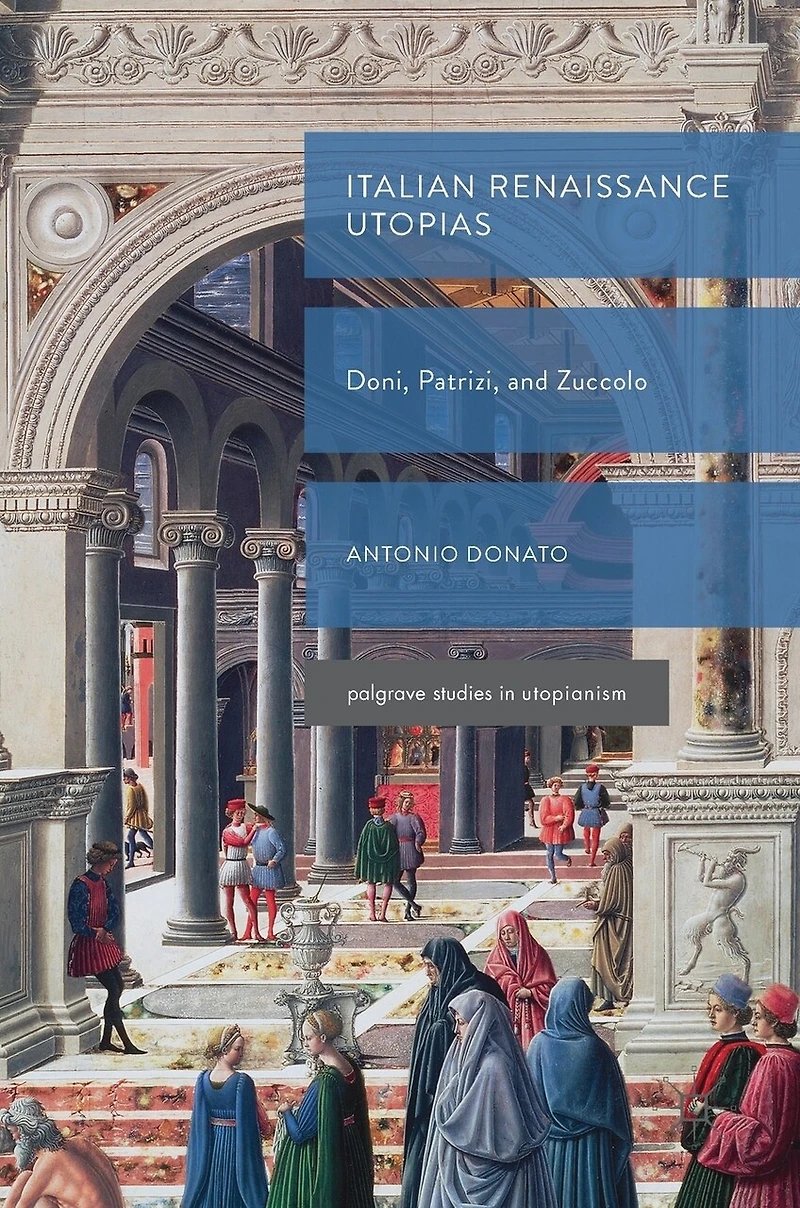
Italian Renaissance Utopias: Doni, Patrizi, And Zuccolo in Ottawa, ON
Current price: $145.95

Italian Renaissance Utopias: Doni, Patrizi, And Zuccolo in Ottawa, ON
Current price: $145.95
Loading Inventory...
Size: Hardcover
*Product information may vary - to confirm product availability, pricing, shipping and return information please contact Coles
This book provides the first English study (comprehensive of introductory essays, translations, and notes) of five prominent Italian Renaissance utopias: Doni's Wise and Crazy World , Patrizi's The Happy City , and Zuccolo's The Republic of Utopia , The Republic of Evandria , and The Happy City . The scholarship on Italian Renaissance utopias is still relatively underdeveloped; there is no English translation of these texts (apart from Campanella's City of Sun ), and our understanding of the distinctive features of this utopian tradition is rather limited. This book therefore fills an important gap in the existing critical literature, providing easier access to these utopian texts, and showing how the study of the utopias of Doni, Patrizi, and Zuccolo can shed crucial light on the scholarly debate about the essential traits of Renaissance utopias.
This book provides the first English study (comprehensive of introductory essays, translations, and notes) of five prominent Italian Renaissance utopias: Doni's Wise and Crazy World , Patrizi's The Happy City , and Zuccolo's The Republic of Utopia , The Republic of Evandria , and The Happy City . The scholarship on Italian Renaissance utopias is still relatively underdeveloped; there is no English translation of these texts (apart from Campanella's City of Sun ), and our understanding of the distinctive features of this utopian tradition is rather limited. This book therefore fills an important gap in the existing critical literature, providing easier access to these utopian texts, and showing how the study of the utopias of Doni, Patrizi, and Zuccolo can shed crucial light on the scholarly debate about the essential traits of Renaissance utopias.
You May Also Like








More About Coles at Bayshore Shopping Centre
Coles is renowned for its outstanding customer service and great selection of books. Along with the vast array of magazines, stationary, audio-books, children's literature, fiction, non-fiction and reference books, you can find accessories to make your reading experience more pleasurable. We can recommend the very best in reading today. We will help you search our titles for exactly what you need, and if we do not have it in stock, we will order it for you.
100 Bayshore Dr, Nepean, ON K2B 8C1, Canada
Find Coles at Bayshore Shopping Centre in Ottawa, ON
Visit Coles at Bayshore Shopping Centre in Ottawa, ON