

Give the Gift of Choice!
Too many options? Treat your friends and family to their favourite stores with a Bayshore Shopping Centre gift card, redeemable at participating retailers throughout the centre. Click below to purchase yours today!Purchase HereHome
It's No Fun Anymore
Coles
Loading Inventory...
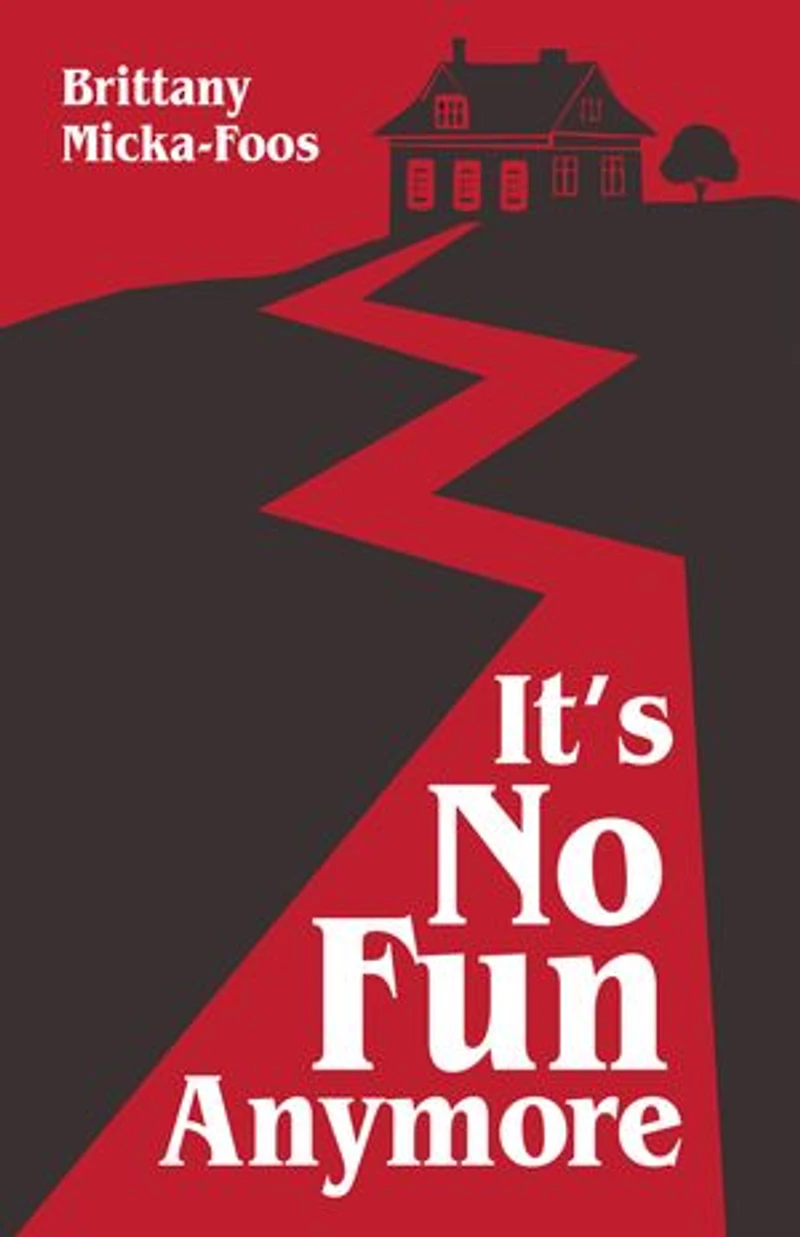
It's No Fun Anymore in Ottawa, ON
Current price: $8.29
Original price: $9.49

It's No Fun Anymore in Ottawa, ON
Current price: $8.29
Original price: $9.49
Loading Inventory...
Size: Kobo eBook
*Product information may vary - to confirm product availability, pricing, shipping and return information please contact Coles
“It’s No Fun Anymore” is a collection of eight stories that explore the politics of victimization, the sites of trauma on women’s bodies, and their attempts to divine meaning from suffering. In “The Experiment,” the murder of a young girl prompts a stay-at-home mother to undertake a desperate bid for agency, drawing unlikely inspiration from a 1950s self-help book. An MLM saleswoman in “Border Crossings” is held captive at the Canadian border, and in her marriage. And “Thumb Stump” introduces a new mother who worries her baby will inherit both her perceived deformity and generational trauma. These stories examine the double binds of motherhood, the sham of “having it all,” the daily struggles. The centralizing thread is the question: How can trauma be transformed?
“It’s No Fun Anymore” is a collection of eight stories that explore the politics of victimization, the sites of trauma on women’s bodies, and their attempts to divine meaning from suffering. In “The Experiment,” the murder of a young girl prompts a stay-at-home mother to undertake a desperate bid for agency, drawing unlikely inspiration from a 1950s self-help book. An MLM saleswoman in “Border Crossings” is held captive at the Canadian border, and in her marriage. And “Thumb Stump” introduces a new mother who worries her baby will inherit both her perceived deformity and generational trauma. These stories examine the double binds of motherhood, the sham of “having it all,” the daily struggles. The centralizing thread is the question: How can trauma be transformed?
You May Also Like








More About Coles at Bayshore Shopping Centre
Coles is renowned for its outstanding customer service and great selection of books. Along with the vast array of magazines, stationary, audio-books, children's literature, fiction, non-fiction and reference books, you can find accessories to make your reading experience more pleasurable. We can recommend the very best in reading today. We will help you search our titles for exactly what you need, and if we do not have it in stock, we will order it for you.
100 Bayshore Dr, Nepean, ON K2B 8C1, Canada
Find Coles at Bayshore Shopping Centre in Ottawa, ON
Visit Coles at Bayshore Shopping Centre in Ottawa, ON