

Give the Gift of Choice!
Too many options? Treat your friends and family to their favourite stores with a Bayshore Shopping Centre gift card, redeemable at participating retailers throughout the centre. Click below to purchase yours today!Purchase HereHome
Jade of the Shang Dynasty
Coles
Loading Inventory...
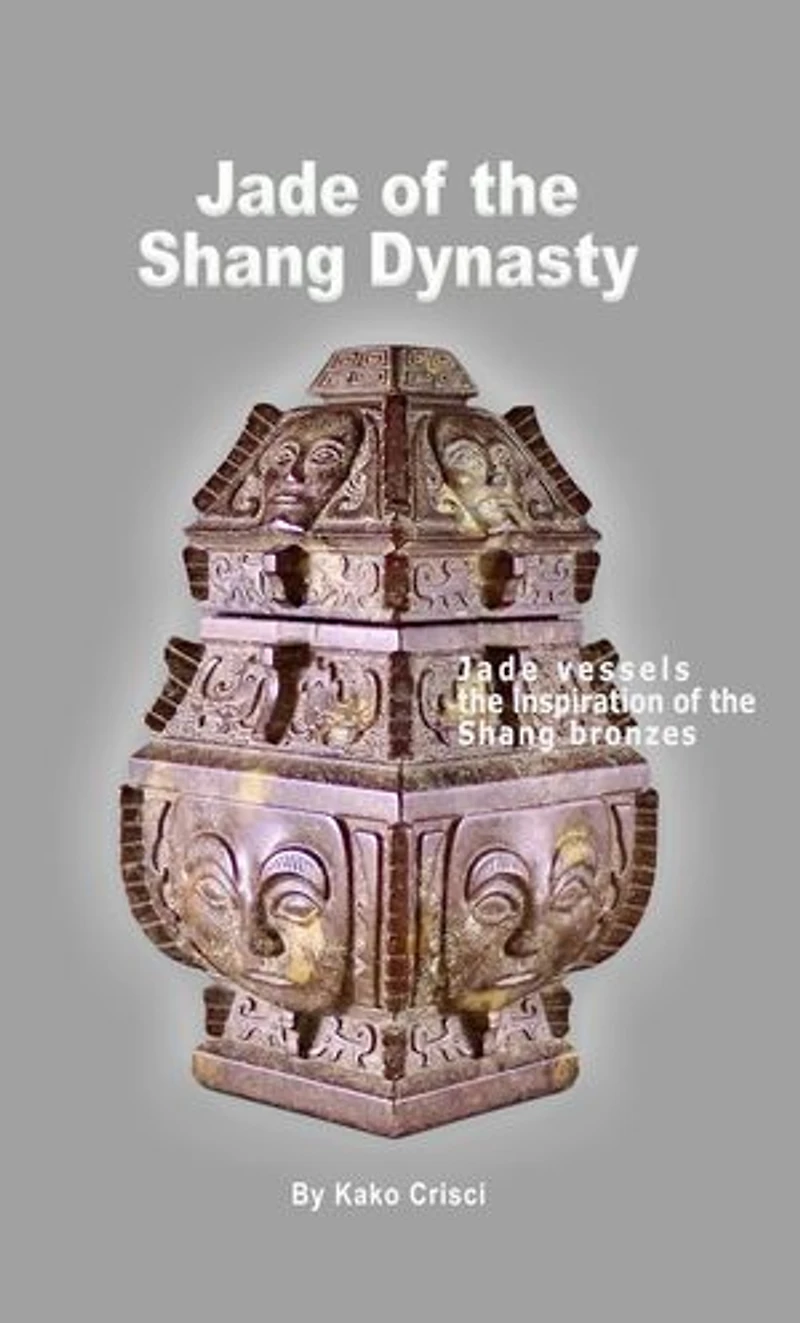
Jade of the Shang Dynasty in Ottawa, ON
Current price: $32.79
Original price: $40.99

Jade of the Shang Dynasty in Ottawa, ON
Current price: $32.79
Original price: $40.99
Loading Inventory...
Size: Kobo eBook
*Product information may vary - to confirm product availability, pricing, shipping and return information please contact Coles
From around 3000 to 1900BC, the late Neolithic period was a time of transition. In Mesopotamia, Egypt, and all around the Mediterranean basin, better living standards saw the rise of new cultures. In China Far East, along the Yellow River, settlements started to flourish and create their own unique identity.
Jade was a precious and extremely difficult to carve mineral, mainly dedicated to the service of rituals or religious ceremonies. However, for a long time, the Shang dynasty jade design was regarded as a mere reproduction of the widely available bronzes the Shang were known for.
In this book, the author revisits pre-conceived historical knowledge and, based on the research of well-respected scholar Hayashi Minao and expert historians Deng Shuping and Cai Qingliang, proposes that many of the jades pieces exhibited today in museums and private collections may have come from distinct earlier cultures and that bronze design may have been influenced by these devotional objects, not the reverse.
Part one of this book, Jade from the early and middle Shang, presents the historical context in which cultures such as the Erlitou and the Erligang developed their unique style before being assimilated into the later Shang Dynasty.
Part two, Jade from the late Shang, focuses on specific examples of ceremonial, weapons, and decorative jade to prove further that these pieces may actually have been anterior to the predominantly bronze ear and, by doing so, bring to light the exceptional craftsmanship of much older cultures.
Eighty-four illustrations and photographs of unique jade artworks open a unique window of appreciation for these Shang Dynasty's sophisticated and little-known cultures.
From around 3000 to 1900BC, the late Neolithic period was a time of transition. In Mesopotamia, Egypt, and all around the Mediterranean basin, better living standards saw the rise of new cultures. In China Far East, along the Yellow River, settlements started to flourish and create their own unique identity.
Jade was a precious and extremely difficult to carve mineral, mainly dedicated to the service of rituals or religious ceremonies. However, for a long time, the Shang dynasty jade design was regarded as a mere reproduction of the widely available bronzes the Shang were known for.
In this book, the author revisits pre-conceived historical knowledge and, based on the research of well-respected scholar Hayashi Minao and expert historians Deng Shuping and Cai Qingliang, proposes that many of the jades pieces exhibited today in museums and private collections may have come from distinct earlier cultures and that bronze design may have been influenced by these devotional objects, not the reverse.
Part one of this book, Jade from the early and middle Shang, presents the historical context in which cultures such as the Erlitou and the Erligang developed their unique style before being assimilated into the later Shang Dynasty.
Part two, Jade from the late Shang, focuses on specific examples of ceremonial, weapons, and decorative jade to prove further that these pieces may actually have been anterior to the predominantly bronze ear and, by doing so, bring to light the exceptional craftsmanship of much older cultures.
Eighty-four illustrations and photographs of unique jade artworks open a unique window of appreciation for these Shang Dynasty's sophisticated and little-known cultures.
You May Also Like











More About Coles at Bayshore Shopping Centre
Coles is renowned for its outstanding customer service and great selection of books. Along with the vast array of magazines, stationary, audio-books, children's literature, fiction, non-fiction and reference books, you can find accessories to make your reading experience more pleasurable. We can recommend the very best in reading today. We will help you search our titles for exactly what you need, and if we do not have it in stock, we will order it for you.
100 Bayshore Dr, Nepean, ON K2B 8C1, Canada
Find Coles at Bayshore Shopping Centre in Ottawa, ON
Visit Coles at Bayshore Shopping Centre in Ottawa, ON