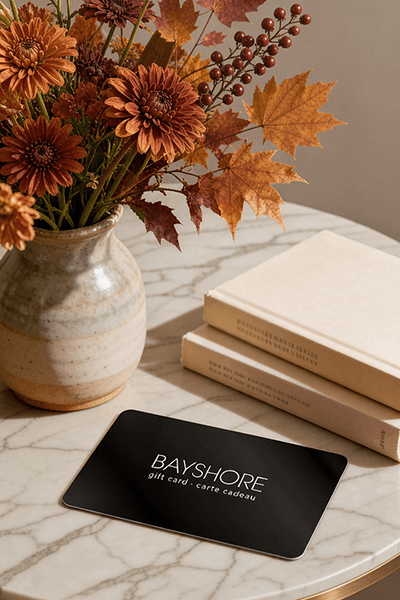
Too many options? Treat your friends and family to their favourite stores with a Bayshore Shopping Centre gift card, redeemable at participating retailers throughout the centre. Click below to purchase yours today!Purchase Here
Coles Jam Experiment: Why You Don't Even Notice When You Get the Opposite of What You Asked For at Bayshore Shopping Centre in Ottawa, ON
*Product information may vary - to confirm product availability, pricing, shipping and return information please contact Coles
You think you know what you like. But do you? In a famous experiment, researchers Petter Johansson and Lars Hall asked people to taste two jams and pick their favorite. Then, using a sleight-of-hand trick, they swapped the jars and asked the subjects to explain why they liked the chosen jam. Shockingly, most people didn't notice they were eating the rejected flavor—and happily invented reasons why it was superior. This phenomenon is called "Choice Blindness." This book explores how our brains rationalize decisions after we make them, rather than before. It reveals that we are often strangers to our own preferences, easily manipulated by outcomes we never wanted. A disturbing but necessary look at the illusion of free will in the supermarket and the voting booth.
You think you know what you like. But do you? In a famous experiment, researchers Petter Johansson and Lars Hall asked people to taste two jams and pick their favorite. Then, using a sleight-of-hand trick, they swapped the jars and asked the subjects to explain why they liked the chosen jam. Shockingly, most people didn't notice they were eating the rejected flavor—and happily invented reasons why it was superior. This phenomenon is called "Choice Blindness." This book explores how our brains rationalize decisions after we make them, rather than before. It reveals that we are often strangers to our own preferences, easily manipulated by outcomes we never wanted. A disturbing but necessary look at the illusion of free will in the supermarket and the voting booth.
Coles is renowned for its outstanding customer service and great selection of books. Along with the vast array of magazines, stationary, audio-books, children's literature, fiction, non-fiction and reference books, you can find accessories to make your reading experience more pleasurable. We can recommend the very best in reading today. We will help you search our titles for exactly what you need, and if we do not have it in stock, we will order it for you.