

Give the Gift of Choice!
Too many options? Treat your friends and family to their favourite stores with a Bayshore Shopping Centre gift card, redeemable at participating retailers throughout the centre. Click below to purchase yours today!Purchase HereHome
Jāmī Regional Contexts: the Reception of ʿAbd al-Raḥmān Jāmī’s Works Islamicate World, ca. 9th/15th-14th/20th Century
Coles
Loading Inventory...

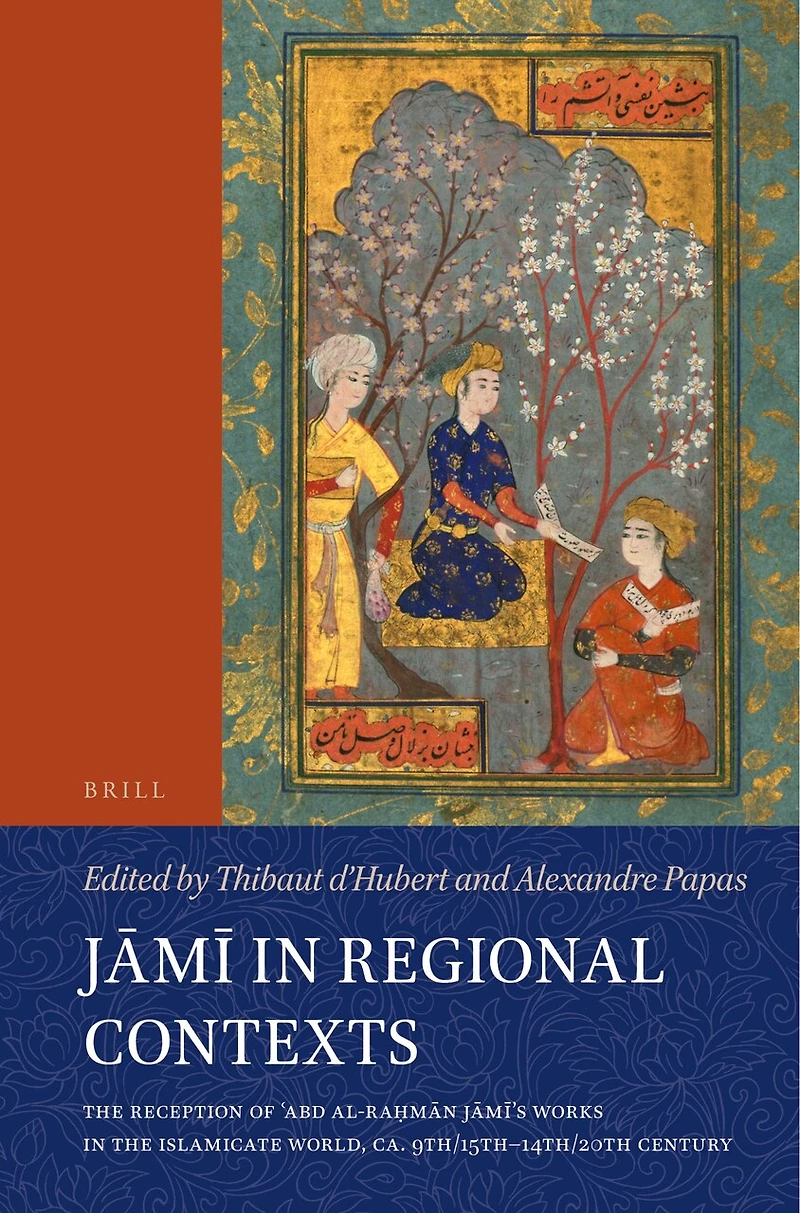
Jāmī Regional Contexts: the Reception of ʿAbd al-Raḥmān Jāmī’s Works Islamicate World, ca. 9th/15th-14th/20th Century in Ottawa, ON
Current price: $355.99

Jāmī Regional Contexts: the Reception of ʿAbd al-Raḥmān Jāmī’s Works Islamicate World, ca. 9th/15th-14th/20th Century in Ottawa, ON
Current price: $355.99
Loading Inventory...
Size: Hardcover
*Product information may vary - to confirm product availability, pricing, shipping and return information please contact Coles
Jāmī in Regional Contexts: The Reception of ʿAbd Al-Raḥmān Jāmī’s Works in the Islamicate World is the first attempt to present in a comprehensive manner how ʿAbd al-Raḥmān Jāmī (d. 898/1492), a most influential figure in the Persian-speaking world, reshaped the canons of Islamic mysticism, literature and poetry and how, in turn, this new canon prompted the formation of regional traditions. As a result, a renewed geography of intellectual practices emerges as well as questions surrounding authorship and authority in the making of vernacular cultures. Specialists of Persian, Arabic, Chinese, Georgian, Malay, Pashto, Sanskrit, Urdu, Turkish, and Bengali thus provide a unique connected account of the conception and reception of Jāmī’s works throughout the Eurasian continent and maritime Southeast Asia.
Jāmī in Regional Contexts: The Reception of ʿAbd Al-Raḥmān Jāmī’s Works in the Islamicate World is the first attempt to present in a comprehensive manner how ʿAbd al-Raḥmān Jāmī (d. 898/1492), a most influential figure in the Persian-speaking world, reshaped the canons of Islamic mysticism, literature and poetry and how, in turn, this new canon prompted the formation of regional traditions. As a result, a renewed geography of intellectual practices emerges as well as questions surrounding authorship and authority in the making of vernacular cultures. Specialists of Persian, Arabic, Chinese, Georgian, Malay, Pashto, Sanskrit, Urdu, Turkish, and Bengali thus provide a unique connected account of the conception and reception of Jāmī’s works throughout the Eurasian continent and maritime Southeast Asia.
You May Also Like










More About Coles at Bayshore Shopping Centre
Coles is renowned for its outstanding customer service and great selection of books. Along with the vast array of magazines, stationary, audio-books, children's literature, fiction, non-fiction and reference books, you can find accessories to make your reading experience more pleasurable. We can recommend the very best in reading today. We will help you search our titles for exactly what you need, and if we do not have it in stock, we will order it for you.
100 Bayshore Dr, Nepean, ON K2B 8C1, Canada
Find Coles at Bayshore Shopping Centre in Ottawa, ON
Visit Coles at Bayshore Shopping Centre in Ottawa, ON