

Give the Gift of Choice!
Too many options? Treat your friends and family to their favourite stores with a Bayshore Shopping Centre gift card, redeemable at participating retailers throughout the centre. Click below to purchase yours today!Purchase HereHome
Jane Austen, George Eliot And The Reflective Tradition
Coles
Loading Inventory...

Jane Austen, George Eliot And The Reflective Tradition in Ottawa, ON
Current price: $281.50

Jane Austen, George Eliot And The Reflective Tradition in Ottawa, ON
Current price: $281.50
Loading Inventory...
Size: Hardcover
*Product information may vary - to confirm product availability, pricing, shipping and return information please contact Coles
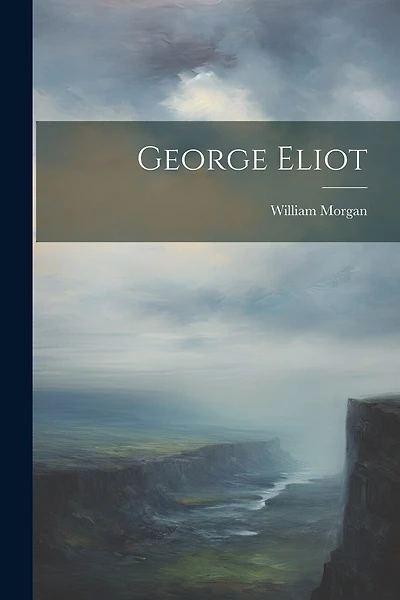
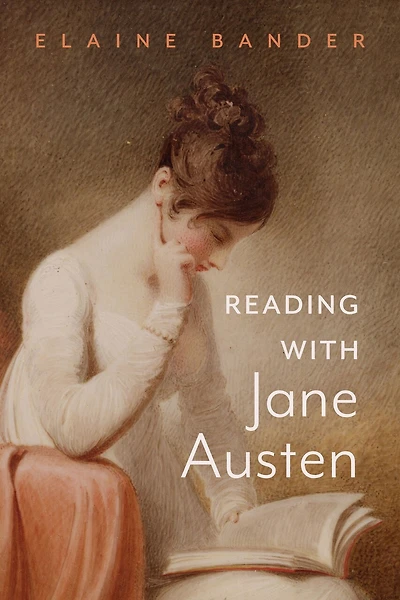
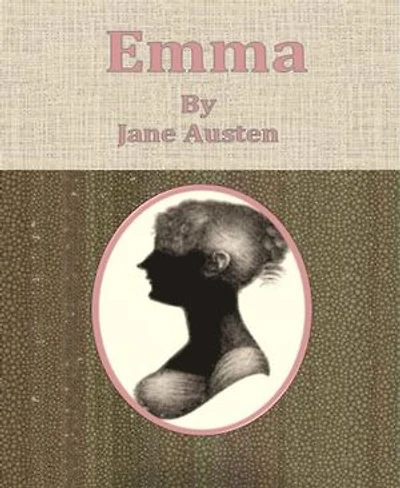
In her exploration of the moral tradition shared between Jane Austen and George Eliot, Rose Pimentel argues that a common ethical dynamic between the two authors, and what would later be known as the realist novel, emerged from an emphasis on reflection as introspection that was widespread in the eighteenth century. Pimentel examines what she calls the reflective tradition across a range of discourses, including moral philosophy, children's literature, the novel, poetry, educational tracts and sermons, that would have been familiar to Austen. Through the lens of Eliot and George Henry Lewis's shared readings of Austen, Pimentel shows how Austen draws on and expands ideas of reflection from the eighteenth century. Thus, her reading of Eliot in the 1850s reflects on to Austen while her reading of Austen, in turn, reflects back on to Eliot as she analyzes the ways in which Eliot developed this aspect of Austen's art. By placing Austen's and Eliot's novels in a rich and reflective dialogue, Pimentel enriches our understanding of their work in a way that views neither the reflective tradition nor the development of the novel as teleological.
In her exploration of the moral tradition shared between Jane Austen and George Eliot, Rose Pimentel argues that a common ethical dynamic between the two authors, and what would later be known as the realist novel, emerged from an emphasis on reflection as introspection that was widespread in the eighteenth century. Pimentel examines what she calls the reflective tradition across a range of discourses, including moral philosophy, children's literature, the novel, poetry, educational tracts and sermons, that would have been familiar to Austen. Through the lens of Eliot and George Henry Lewis's shared readings of Austen, Pimentel shows how Austen draws on and expands ideas of reflection from the eighteenth century. Thus, her reading of Eliot in the 1850s reflects on to Austen while her reading of Austen, in turn, reflects back on to Eliot as she analyzes the ways in which Eliot developed this aspect of Austen's art. By placing Austen's and Eliot's novels in a rich and reflective dialogue, Pimentel enriches our understanding of their work in a way that views neither the reflective tradition nor the development of the novel as teleological.















More About Coles at Bayshore Shopping Centre
Coles is renowned for its outstanding customer service and great selection of books. Along with the vast array of magazines, stationary, audio-books, children's literature, fiction, non-fiction and reference books, you can find accessories to make your reading experience more pleasurable. We can recommend the very best in reading today. We will help you search our titles for exactly what you need, and if we do not have it in stock, we will order it for you.
100 Bayshore Dr, Nepean, ON K2B 8C1, Canada
Find Coles at Bayshore Shopping Centre in Ottawa, ON
Visit Coles at Bayshore Shopping Centre in Ottawa, ON