

Give the Gift of Choice!
Too many options? Treat your friends and family to their favourite stores with a Bayshore Shopping Centre gift card, redeemable at participating retailers throughout the centre. Click below to purchase yours today!Purchase HereHome
Japanned Papier Mâché and Tinware c.1740-1940
Coles
Loading Inventory...
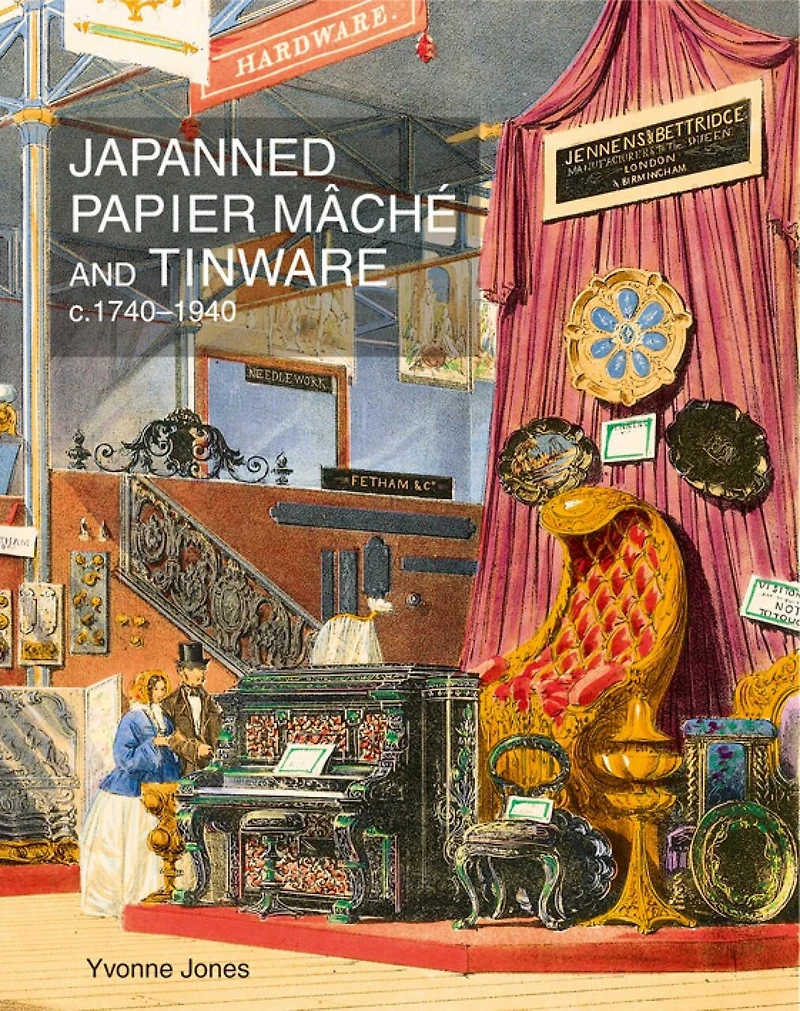
Japanned Papier Mâché and Tinware c.1740-1940 in Ottawa, ON
Current price: $60.00

Japanned Papier Mâché and Tinware c.1740-1940 in Ottawa, ON
Current price: $60.00
Loading Inventory...
Size: Hardcover
*Product information may vary - to confirm product availability, pricing, shipping and return information please contact Coles
"This exhaustive study will be an invaluable tool in identifying not only where a piece was made and when, but in understanding the processes of its manufacture" The Regional Furniture Society "Cataloguers now have an impressive volume of new information to draw on when describing anything from a simple tea tray to those suites of papier mâché furniture which remain as impressive today as when they dazzled visitors at the great international exhibitions of the 19th century" Antiques Trade Gazette As one of the few decorative arts about which little has been written, japanning is today fraught with misunderstandings. And yet, in its heyday, the japanning industry attracted important commissions from prestigious designers such as Robert Adam, and orders from fashionable society across Europe and beyond. This book is a long overdue history of the industry which centered on three towns in the English midlands: Birmingham, Wolverhampton and Bilston. It is as much about the workers, their skills, and the factories and workshops in which they labored, as it is about the goods they made. It tells of matters of taste and criticism, and of how an industry which continued to rely so heavily upon hand labor in the machine age reached its natural end in the 1880s with a few factories lingering into the late 1930s. Richly illustrated, it includes photographs of mostly marked, or well-documented, examples of japanned tin and papier mâché against which readers may compare - and perhaps identify - unmarked specimens. Japanned Papier Mâché and Tinware draws predominantly upon contemporary sources: printed, manuscript and typescript documents, and, for the period leading up to the closure of the last factories in the 1930s, the author was able to draw on verbal accounts of eyewitnesses. With a chapter on japanners in London, other European centers, and in the United States, together with a directory of japan artists and decorators, this closely researched and comprehensive book is the reference work for collectors, dealers and enthusiasts alike. Contents: From Imitation to Innovation; Enter the Dragon!; The Lion of the District; Japanning & Decorating; Not a Bed of Roses!; Clever Accidents?; Decline of the Midlands Japanning Industry; The Birmingham Japanners; The Wolverhampton Japanners; The Bilston Japanners; Japanners in London and Oxford; Products; Other Western Japanning Centres; Appendices.
"This exhaustive study will be an invaluable tool in identifying not only where a piece was made and when, but in understanding the processes of its manufacture" The Regional Furniture Society "Cataloguers now have an impressive volume of new information to draw on when describing anything from a simple tea tray to those suites of papier mâché furniture which remain as impressive today as when they dazzled visitors at the great international exhibitions of the 19th century" Antiques Trade Gazette As one of the few decorative arts about which little has been written, japanning is today fraught with misunderstandings. And yet, in its heyday, the japanning industry attracted important commissions from prestigious designers such as Robert Adam, and orders from fashionable society across Europe and beyond. This book is a long overdue history of the industry which centered on three towns in the English midlands: Birmingham, Wolverhampton and Bilston. It is as much about the workers, their skills, and the factories and workshops in which they labored, as it is about the goods they made. It tells of matters of taste and criticism, and of how an industry which continued to rely so heavily upon hand labor in the machine age reached its natural end in the 1880s with a few factories lingering into the late 1930s. Richly illustrated, it includes photographs of mostly marked, or well-documented, examples of japanned tin and papier mâché against which readers may compare - and perhaps identify - unmarked specimens. Japanned Papier Mâché and Tinware draws predominantly upon contemporary sources: printed, manuscript and typescript documents, and, for the period leading up to the closure of the last factories in the 1930s, the author was able to draw on verbal accounts of eyewitnesses. With a chapter on japanners in London, other European centers, and in the United States, together with a directory of japan artists and decorators, this closely researched and comprehensive book is the reference work for collectors, dealers and enthusiasts alike. Contents: From Imitation to Innovation; Enter the Dragon!; The Lion of the District; Japanning & Decorating; Not a Bed of Roses!; Clever Accidents?; Decline of the Midlands Japanning Industry; The Birmingham Japanners; The Wolverhampton Japanners; The Bilston Japanners; Japanners in London and Oxford; Products; Other Western Japanning Centres; Appendices.
You May Also Like












More About Coles at Bayshore Shopping Centre
Coles is renowned for its outstanding customer service and great selection of books. Along with the vast array of magazines, stationary, audio-books, children's literature, fiction, non-fiction and reference books, you can find accessories to make your reading experience more pleasurable. We can recommend the very best in reading today. We will help you search our titles for exactly what you need, and if we do not have it in stock, we will order it for you.
100 Bayshore Dr, Nepean, ON K2B 8C1, Canada
Find Coles at Bayshore Shopping Centre in Ottawa, ON
Visit Coles at Bayshore Shopping Centre in Ottawa, ON