

Give the Gift of Choice!
Too many options? Treat your friends and family to their favourite stores with a Bayshore Shopping Centre gift card, redeemable at participating retailers throughout the centre. Click below to purchase yours today!Purchase HereHome
Japan's New Global Role
Coles
Loading Inventory...
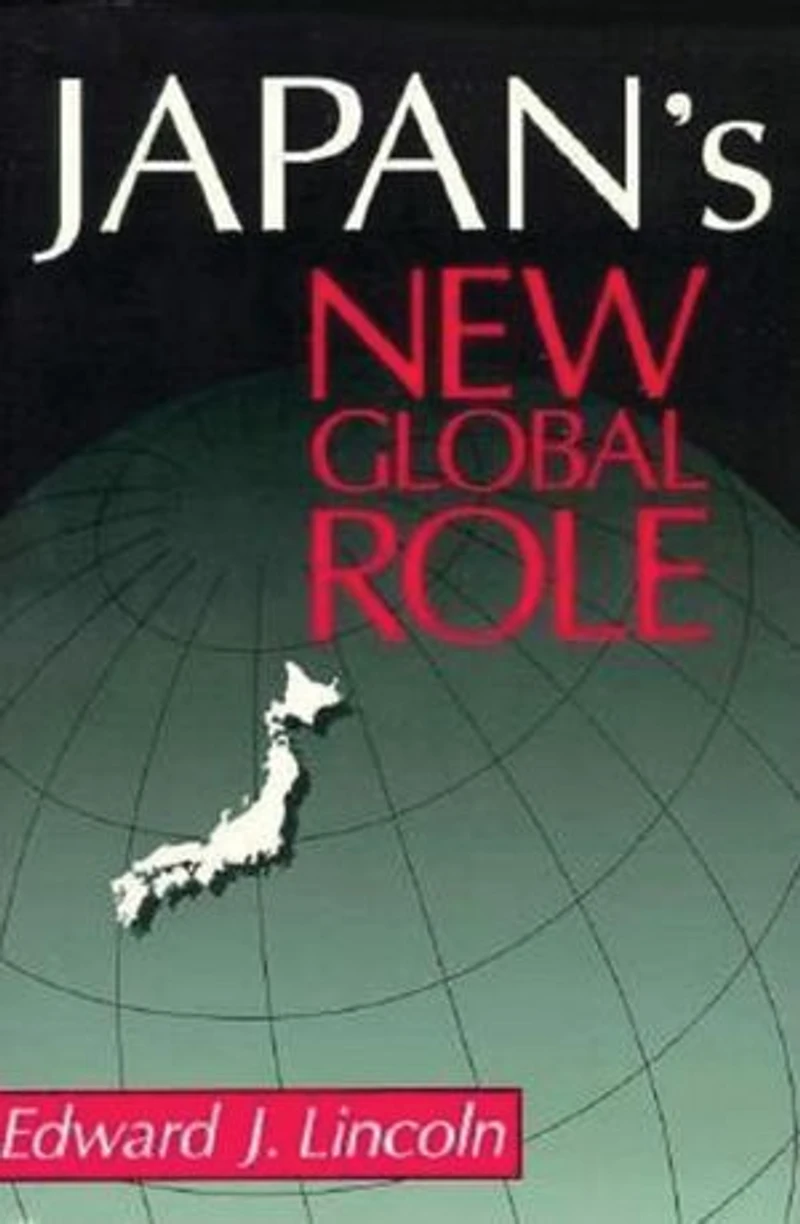
Japan's New Global Role in Ottawa, ON
Current price: $27.39
Original price: $34.15

Japan's New Global Role in Ottawa, ON
Current price: $27.39
Original price: $34.15
Loading Inventory...
Size: Kobo eBook
*Product information may vary - to confirm product availability, pricing, shipping and return information please contact Coles
Since 1980, Japan's international economic position has undergone a historic transformation that is now having significant consequences for Japan, the United States, Europe, and other countries around the world. In this book, Edward J. Lincoln analyzes the major economic changes that occurred in Japan during the 1980s, including macroeconomic shifts, financial deregulation, yen appreciation, rising labor costs brought on by long-term demographic changes, and technological success.
Since 1945, the Japanese have shied away from active involvement in most of the complications and problems of the international community. Now, however, a surge in outward foreign investment, particularly direct investment, has involved the nation, more intimately with the outside world than in the past. As a result, Japan has had to cope with some difficult new questions: how to participate meaningfully in the work of the major multilateral economic institutions and the United Nations, how to expand or change the country's foreign aid program, how to take part in the intentional debate on environmental policy, and how deeply to become involved in solving the world's political problems.
Lincoln asserts that overcoming the string of insularity and passivism for the years since 1945 will not be easy. He proposes several specific policies that would lead Japan toward a more productive international engagement and suggests that these changes will also serve the objectives of American foreign policy.
The 1993 elections and the new coalition government in Japan offer a greater possibility of domestic change; the mood of the nation has shifted away from continued acceptance of the policies of the past. There is now a greater opportunity for the American government to engage in a productive dialogue that can encourage Japan toward a more open and active global role.
Since 1980, Japan's international economic position has undergone a historic transformation that is now having significant consequences for Japan, the United States, Europe, and other countries around the world. In this book, Edward J. Lincoln analyzes the major economic changes that occurred in Japan during the 1980s, including macroeconomic shifts, financial deregulation, yen appreciation, rising labor costs brought on by long-term demographic changes, and technological success.
Since 1945, the Japanese have shied away from active involvement in most of the complications and problems of the international community. Now, however, a surge in outward foreign investment, particularly direct investment, has involved the nation, more intimately with the outside world than in the past. As a result, Japan has had to cope with some difficult new questions: how to participate meaningfully in the work of the major multilateral economic institutions and the United Nations, how to expand or change the country's foreign aid program, how to take part in the intentional debate on environmental policy, and how deeply to become involved in solving the world's political problems.
Lincoln asserts that overcoming the string of insularity and passivism for the years since 1945 will not be easy. He proposes several specific policies that would lead Japan toward a more productive international engagement and suggests that these changes will also serve the objectives of American foreign policy.
The 1993 elections and the new coalition government in Japan offer a greater possibility of domestic change; the mood of the nation has shifted away from continued acceptance of the policies of the past. There is now a greater opportunity for the American government to engage in a productive dialogue that can encourage Japan toward a more open and active global role.
You May Also Like















More About Coles at Bayshore Shopping Centre
Coles is renowned for its outstanding customer service and great selection of books. Along with the vast array of magazines, stationary, audio-books, children's literature, fiction, non-fiction and reference books, you can find accessories to make your reading experience more pleasurable. We can recommend the very best in reading today. We will help you search our titles for exactly what you need, and if we do not have it in stock, we will order it for you.
100 Bayshore Dr, Nepean, ON K2B 8C1, Canada
Find Coles at Bayshore Shopping Centre in Ottawa, ON
Visit Coles at Bayshore Shopping Centre in Ottawa, ON