

Give the Gift of Choice!
Too many options? Treat your friends and family to their favourite stores with a Bayshore Shopping Centre gift card, redeemable at participating retailers throughout the centre. Click below to purchase yours today!Purchase HereHome
Jean Toomer's Years with Gurdjieff by Rudolph P. Byrd, Paperback | Indigo Chapters
Coles
Loading Inventory...
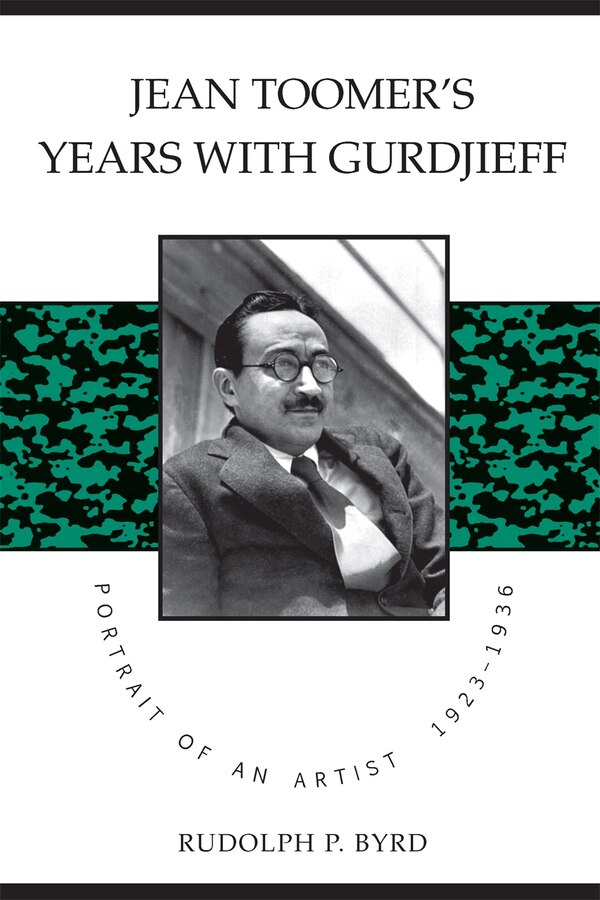
Jean Toomer's Years with Gurdjieff by Rudolph P. Byrd, Paperback | Indigo Chapters in Ottawa, ON
By Rudolph P. Byrd
Current price: $39.95

By Rudolph P. Byrd
Jean Toomer's Years with Gurdjieff by Rudolph P. Byrd, Paperback | Indigo Chapters in Ottawa, ON
Current price: $39.95
Loading Inventory...
Size: 0.53 x 9 x 453.6
*Product information may vary - to confirm product availability, pricing, shipping and return information please contact Coles
Jean Toomer (1894-1967) earned his place in American literary history with Cane (1923), a brilliant modernist collage of fiction, poetry, and drama about black life in rural Georgia and the urban North. Although Toomer continued to write prodigiously, his work went largely unpublished as he turned away from an exploration of his African American roots he had employed so powerfully in Cane. Rudolph P. Byrd examines the central reason behind Toomer's literary decline: his enthusiasm for the theories of George Gurdjieff, a contemporary Russian psychologist, philosopher, and mystic. As Toomer's work degenerated into propaganda for Gurdjieff's theories on human development and spiritual reforms, publishers turned away. Yet, Byrd makes clear that the works Toomer wrote after 1923 do not represent the total break from his earlier concerns that critics have generally assumed. Examining both Cane and the body of writings Toomer produced after it, Byrd finds a distinct thematic unity in the Toomer canon-a consistent, optimistic faith in human possibility and wholeness. | Jean Toomer's Years with Gurdjieff by Rudolph P. Byrd, Paperback | Indigo Chapters
Jean Toomer (1894-1967) earned his place in American literary history with Cane (1923), a brilliant modernist collage of fiction, poetry, and drama about black life in rural Georgia and the urban North. Although Toomer continued to write prodigiously, his work went largely unpublished as he turned away from an exploration of his African American roots he had employed so powerfully in Cane. Rudolph P. Byrd examines the central reason behind Toomer's literary decline: his enthusiasm for the theories of George Gurdjieff, a contemporary Russian psychologist, philosopher, and mystic. As Toomer's work degenerated into propaganda for Gurdjieff's theories on human development and spiritual reforms, publishers turned away. Yet, Byrd makes clear that the works Toomer wrote after 1923 do not represent the total break from his earlier concerns that critics have generally assumed. Examining both Cane and the body of writings Toomer produced after it, Byrd finds a distinct thematic unity in the Toomer canon-a consistent, optimistic faith in human possibility and wholeness. | Jean Toomer's Years with Gurdjieff by Rudolph P. Byrd, Paperback | Indigo Chapters
You May Also Like















More About Coles at Bayshore Shopping Centre
Coles is renowned for its outstanding customer service and great selection of books. Along with the vast array of magazines, stationary, audio-books, children's literature, fiction, non-fiction and reference books, you can find accessories to make your reading experience more pleasurable. We can recommend the very best in reading today. We will help you search our titles for exactly what you need, and if we do not have it in stock, we will order it for you.
100 Bayshore Dr, Nepean, ON K2B 8C1, Canada
Find Coles at Bayshore Shopping Centre in Ottawa, ON
Visit Coles at Bayshore Shopping Centre in Ottawa, ON