

Give the Gift of Choice!
Too many options? Treat your friends and family to their favourite stores with a Bayshore Shopping Centre gift card, redeemable at participating retailers throughout the centre. Click below to purchase yours today!Purchase HereHome
Julie Reisserová (1888–1938): Czech Composer and Feminist
Coles
Loading Inventory...
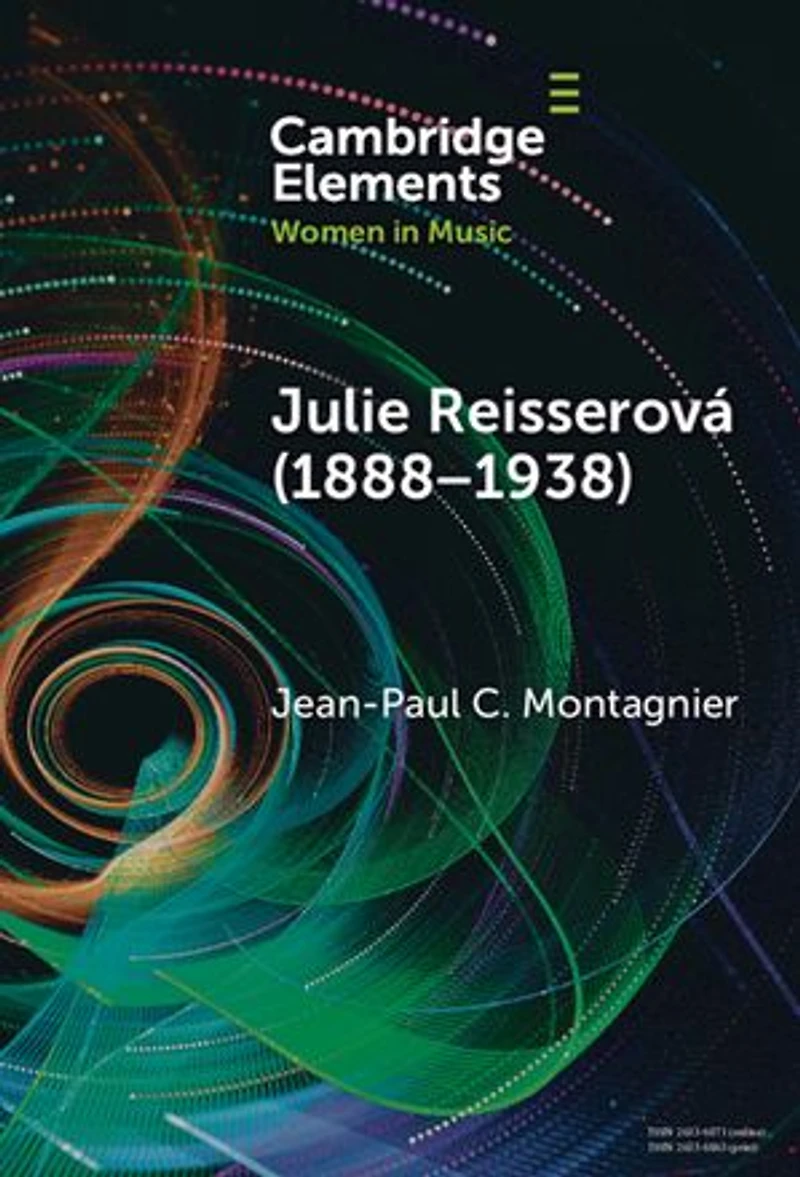
Julie Reisserová (1888–1938): Czech Composer and Feminist in Ottawa, ON
By None
Current price: $23.19
Original price: $28.95

By None
Julie Reisserová (1888–1938): Czech Composer and Feminist in Ottawa, ON
Current price: $23.19
Original price: $28.95
Loading Inventory...
Size: Kobo eBook
*Product information may vary - to confirm product availability, pricing, shipping and return information please contact Coles
Regarded as the 'first Czech woman composer of importance' by the Grove Dictionary in 1954, Julie Reisserová's name has since virtually disappeared from the musical and musicological landscape. Reisserová, one of Albert Roussel's most famous Czech students during the interwar period, was not only a successful composer in her time, but also an active feminist. Her music was generally well received and performed by prestigious musicians. The only comprehensive study of her life and work, published in 1948, was written by Jiřina Vacková. If Vacková was able to investigate the personal archives of the diplomat Jan Reisser – Reisserová's husband – before they were seized and/or destroyed by the communist regime, her book remains hagiographical. This Element draws up a new biographical sketch of the artist, reviews Reisserová's thoughts on the status of women composers between the wars, considers the reception of her six surviving scores, and examines her style.
Regarded as the 'first Czech woman composer of importance' by the Grove Dictionary in 1954, Julie Reisserová's name has since virtually disappeared from the musical and musicological landscape. Reisserová, one of Albert Roussel's most famous Czech students during the interwar period, was not only a successful composer in her time, but also an active feminist. Her music was generally well received and performed by prestigious musicians. The only comprehensive study of her life and work, published in 1948, was written by Jiřina Vacková. If Vacková was able to investigate the personal archives of the diplomat Jan Reisser – Reisserová's husband – before they were seized and/or destroyed by the communist regime, her book remains hagiographical. This Element draws up a new biographical sketch of the artist, reviews Reisserová's thoughts on the status of women composers between the wars, considers the reception of her six surviving scores, and examines her style.
You May Also Like














More About Coles at Bayshore Shopping Centre
Coles is renowned for its outstanding customer service and great selection of books. Along with the vast array of magazines, stationary, audio-books, children's literature, fiction, non-fiction and reference books, you can find accessories to make your reading experience more pleasurable. We can recommend the very best in reading today. We will help you search our titles for exactly what you need, and if we do not have it in stock, we will order it for you.
100 Bayshore Dr, Nepean, ON K2B 8C1, Canada
Find Coles at Bayshore Shopping Centre in Ottawa, ON
Visit Coles at Bayshore Shopping Centre in Ottawa, ON