

Give the Gift of Choice!
Too many options? Treat your friends and family to their favourite stores with a Bayshore Shopping Centre gift card, redeemable at participating retailers throughout the centre. Click below to purchase yours today!Purchase HereHome
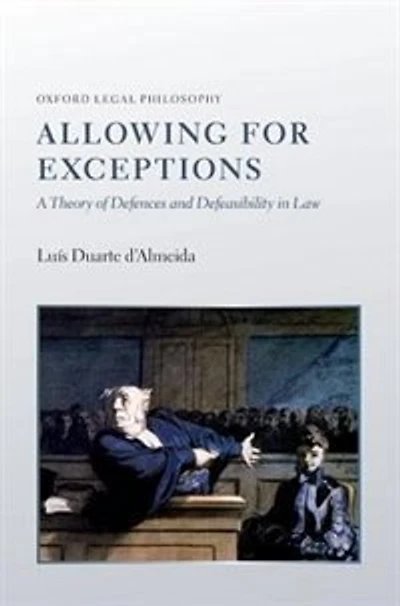
Justification and Excuse International Law: Concept Theory of General Defences
Coles
Loading Inventory...
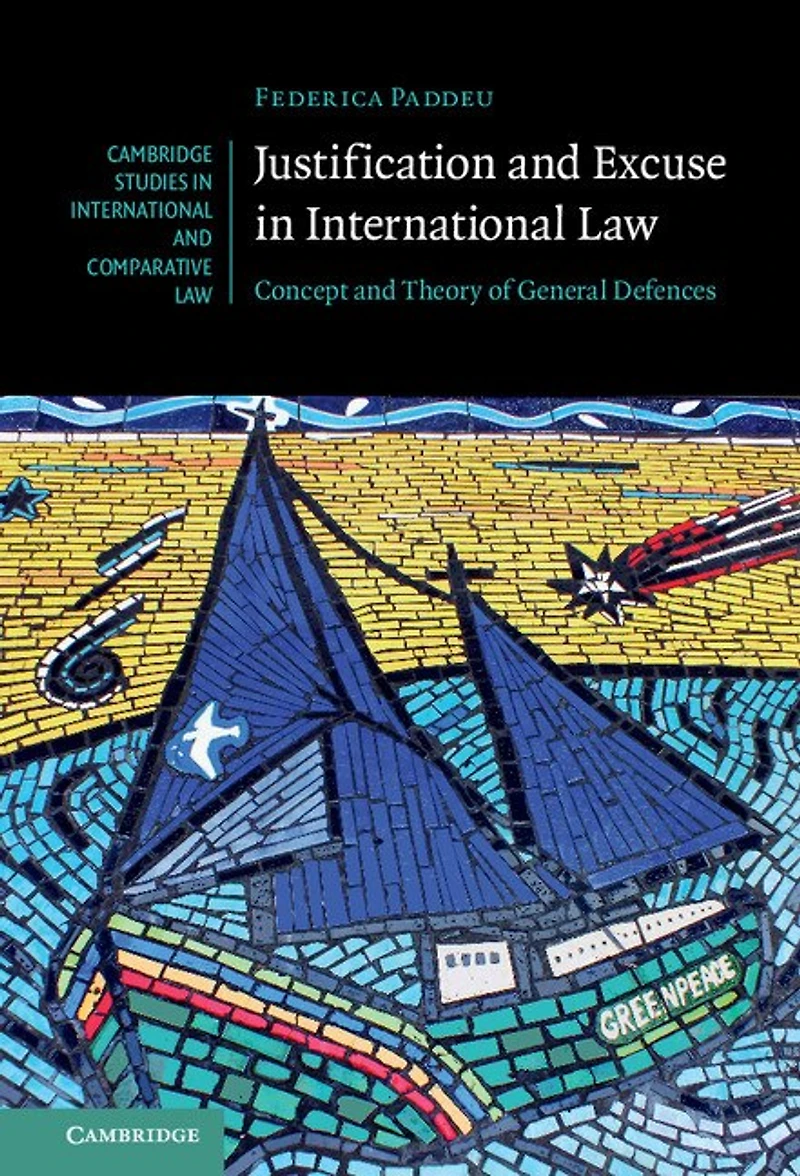
Justification and Excuse International Law: Concept Theory of General Defences in Ottawa, ON
Current price: $172.95

Justification and Excuse International Law: Concept Theory of General Defences in Ottawa, ON
Current price: $172.95
Loading Inventory...
Size: Hardcover
*Product information may vary - to confirm product availability, pricing, shipping and return information please contact Coles
The defences available to an agent accused of wrongdoing can be considered as justifications (which render acts lawful) or excuses (which shield the agent from the legal consequences of the wrongful act). This distinction is familiar to many domestic legal systems, and tracks analogous notions in moral philosophy and ordinary language. Nevertheless, it remains contested in some domestic jurisdictions where it is often argued that the distinction is purely theoretical and has no consequences in practice. In international law too the distinction has been fraught with controversy, though there are increasing calls for its recognition. This book is the first to comprehensively and thoroughly examine the distinction and its relevance to the international legal order. Combining an analysis of state practice, and historical, doctrinal and theoretical developments, the book shows that the distinction is not only possible in international law but that it is also one that would have important practical implications.
The defences available to an agent accused of wrongdoing can be considered as justifications (which render acts lawful) or excuses (which shield the agent from the legal consequences of the wrongful act). This distinction is familiar to many domestic legal systems, and tracks analogous notions in moral philosophy and ordinary language. Nevertheless, it remains contested in some domestic jurisdictions where it is often argued that the distinction is purely theoretical and has no consequences in practice. In international law too the distinction has been fraught with controversy, though there are increasing calls for its recognition. This book is the first to comprehensively and thoroughly examine the distinction and its relevance to the international legal order. Combining an analysis of state practice, and historical, doctrinal and theoretical developments, the book shows that the distinction is not only possible in international law but that it is also one that would have important practical implications.
You May Also Like









More About Coles at Bayshore Shopping Centre
Coles is renowned for its outstanding customer service and great selection of books. Along with the vast array of magazines, stationary, audio-books, children's literature, fiction, non-fiction and reference books, you can find accessories to make your reading experience more pleasurable. We can recommend the very best in reading today. We will help you search our titles for exactly what you need, and if we do not have it in stock, we will order it for you.
100 Bayshore Dr, Nepean, ON K2B 8C1, Canada
Find Coles at Bayshore Shopping Centre in Ottawa, ON
Visit Coles at Bayshore Shopping Centre in Ottawa, ON