

Give the Gift of Choice!
Too many options? Treat your friends and family to their favourite stores with a Bayshore Shopping Centre gift card, redeemable at participating retailers throughout the centre. Click below to purchase yours today!Purchase HereHome
Kamakura: A Contemplative Guide
Coles
Loading Inventory...
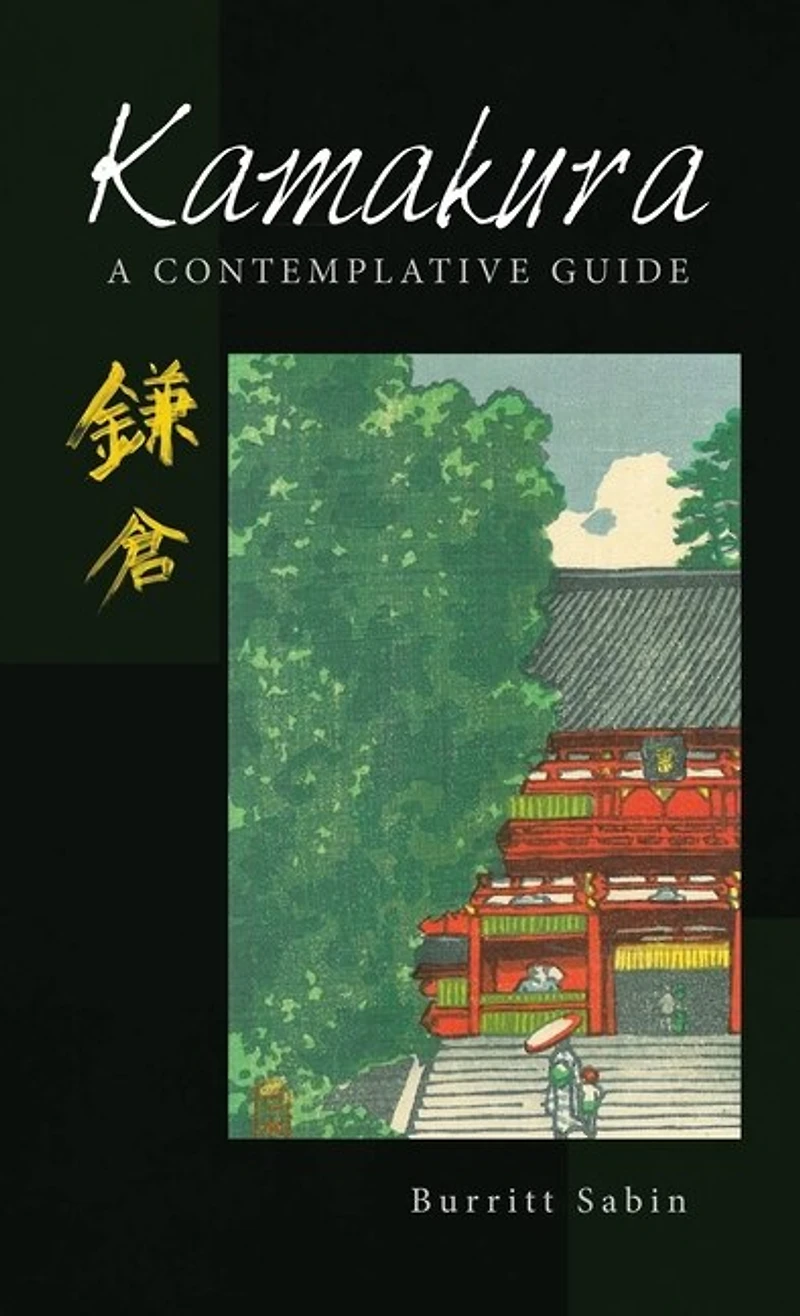
Kamakura: A Contemplative Guide in Ottawa, ON
Current price: $54.95

Kamakura: A Contemplative Guide in Ottawa, ON
Current price: $54.95
Loading Inventory...
Size: Hardcover
*Product information may vary - to confirm product availability, pricing, shipping and return information please contact Coles
Kamakura rose as the first samurai capital in the 12th century. Shogun Yoritomo chose for the seat of his military government a natural fortress far from the intrigues of the court in Kyoto. He summoned from the capital carpenters to build grand temples and sculptors to carve images for their halls. His successors, the Hj, built the great Zen monasteries Kench-ji and Engaku-ji. Religious figures including Nichiren, Ippen, and Ninsh established temples of their respective Buddhist sects in the new city. Kamakura: A Contemplative Guide introduces the dramatic and often violent lives of these figures and walks you through shrine and temple precincts, illuminating the features of their halls, gardens, and statuary. It takes you over the passes cut sheer through rock to give entrance to the city. It shows Kamakura through the eyes of the writers and artists drawn to the seaside city by its laid-back pace, rich history, and abundant greenery. Rare photographs complement the text. Lucid maps pinpoint places of interest. Finally, Kamakura: A Contemplative Guide explains how the establishment of the first samurai capital, from whence the ethic and spirit of the Eastern warrior spread nationwide, was of significance in the formation of Japan.
Kamakura rose as the first samurai capital in the 12th century. Shogun Yoritomo chose for the seat of his military government a natural fortress far from the intrigues of the court in Kyoto. He summoned from the capital carpenters to build grand temples and sculptors to carve images for their halls. His successors, the Hj, built the great Zen monasteries Kench-ji and Engaku-ji. Religious figures including Nichiren, Ippen, and Ninsh established temples of their respective Buddhist sects in the new city. Kamakura: A Contemplative Guide introduces the dramatic and often violent lives of these figures and walks you through shrine and temple precincts, illuminating the features of their halls, gardens, and statuary. It takes you over the passes cut sheer through rock to give entrance to the city. It shows Kamakura through the eyes of the writers and artists drawn to the seaside city by its laid-back pace, rich history, and abundant greenery. Rare photographs complement the text. Lucid maps pinpoint places of interest. Finally, Kamakura: A Contemplative Guide explains how the establishment of the first samurai capital, from whence the ethic and spirit of the Eastern warrior spread nationwide, was of significance in the formation of Japan.










More About Coles at Bayshore Shopping Centre
Coles is renowned for its outstanding customer service and great selection of books. Along with the vast array of magazines, stationary, audio-books, children's literature, fiction, non-fiction and reference books, you can find accessories to make your reading experience more pleasurable. We can recommend the very best in reading today. We will help you search our titles for exactly what you need, and if we do not have it in stock, we will order it for you.
100 Bayshore Dr, Nepean, ON K2B 8C1, Canada
Find Coles at Bayshore Shopping Centre in Ottawa, ON
Visit Coles at Bayshore Shopping Centre in Ottawa, ON