

Give the Gift of Choice!
Too many options? Treat your friends and family to their favourite stores with a Bayshore Shopping Centre gift card, redeemable at participating retailers throughout the centre. Click below to purchase yours today!Purchase HereHome
Khark: The Island's Untold History
Coles
Loading Inventory...
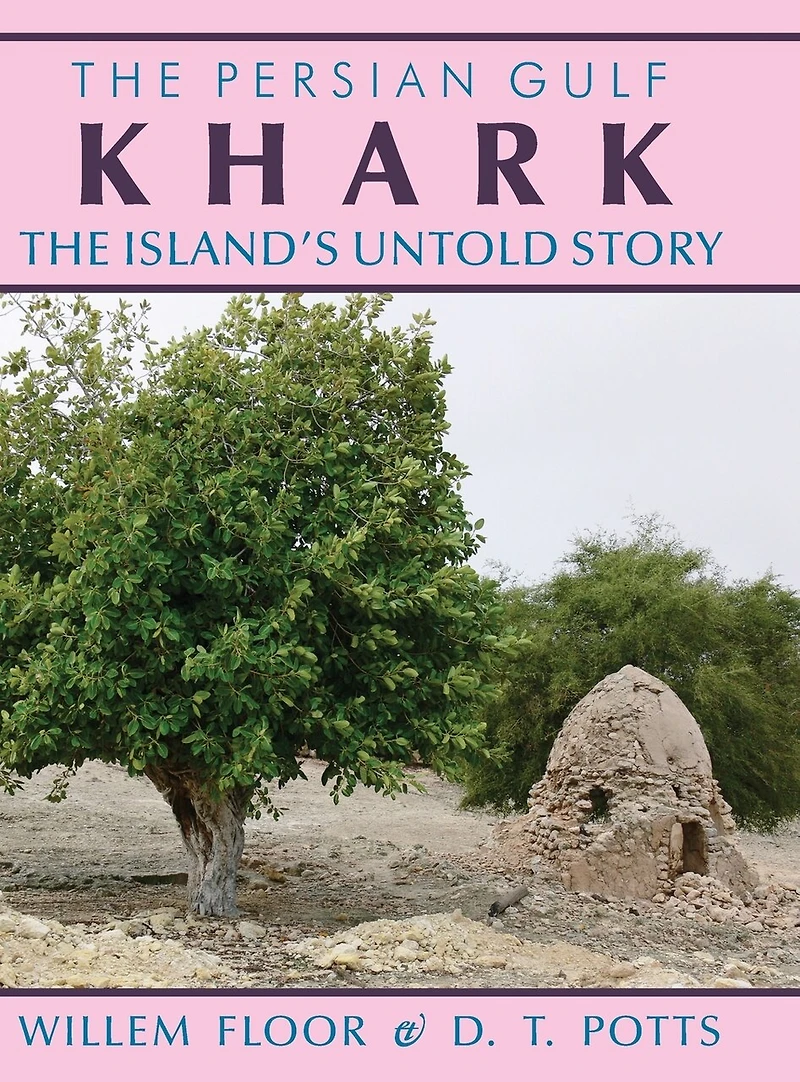
Khark: The Island's Untold History in Ottawa, ON
Current price: $97.50

Khark: The Island's Untold History in Ottawa, ON
Current price: $97.50
Loading Inventory...
Size: Hardcover
*Product information may vary - to confirm product availability, pricing, shipping and return information please contact Coles
The island of Khark was an important link in Persian Gulf navigation, supplying passing ships with water, victuals, and pilots for ships sailing to and from Basra. This was why the Arabs called Khark "the Mother of Skippers" ( Umm al-Rubbaniyan ). Through the ages, Khark has also been a place of pilgrimage: in Sasanian times, due to the presence of an early Christian church and monastery, and in Islamic times, because of the presence of the tomb of Mohammad al-Hanafiyya. In the eighteenth century, the Dutch made the island their center of trade in the Persian Gulf, and by the nineteenth century the island was dubbed "the most important strategic point in the Persian Gulf," reason why the British occupied it twice. Although by 1900 the island had lost its strategic importance, it acquired it again after the 1950s, when the National Iranian Oil Company decided to make Khark its main terminal for the export of crude oil. Later, chemical factories were added to the island's economic make-up. As a result, Khark's name is now better known around the world than it was ever previously, but the history has remained untold. This book tells the whole story, from the early archeological evidence and the Islamic and Safavid periods, to the Dutch projects in the eighteenth century and the British in the nineteenth century. And in the end, how the traditional way of life ended and industrialization began.
The island of Khark was an important link in Persian Gulf navigation, supplying passing ships with water, victuals, and pilots for ships sailing to and from Basra. This was why the Arabs called Khark "the Mother of Skippers" ( Umm al-Rubbaniyan ). Through the ages, Khark has also been a place of pilgrimage: in Sasanian times, due to the presence of an early Christian church and monastery, and in Islamic times, because of the presence of the tomb of Mohammad al-Hanafiyya. In the eighteenth century, the Dutch made the island their center of trade in the Persian Gulf, and by the nineteenth century the island was dubbed "the most important strategic point in the Persian Gulf," reason why the British occupied it twice. Although by 1900 the island had lost its strategic importance, it acquired it again after the 1950s, when the National Iranian Oil Company decided to make Khark its main terminal for the export of crude oil. Later, chemical factories were added to the island's economic make-up. As a result, Khark's name is now better known around the world than it was ever previously, but the history has remained untold. This book tells the whole story, from the early archeological evidence and the Islamic and Safavid periods, to the Dutch projects in the eighteenth century and the British in the nineteenth century. And in the end, how the traditional way of life ended and industrialization began.
You May Also Like









More About Coles at Bayshore Shopping Centre
Coles is renowned for its outstanding customer service and great selection of books. Along with the vast array of magazines, stationary, audio-books, children's literature, fiction, non-fiction and reference books, you can find accessories to make your reading experience more pleasurable. We can recommend the very best in reading today. We will help you search our titles for exactly what you need, and if we do not have it in stock, we will order it for you.
100 Bayshore Dr, Nepean, ON K2B 8C1, Canada
Find Coles at Bayshore Shopping Centre in Ottawa, ON
Visit Coles at Bayshore Shopping Centre in Ottawa, ON