

Give the Gift of Choice!
Too many options? Treat your friends and family to their favourite stores with a Bayshore Shopping Centre gift card, redeemable at participating retailers throughout the centre. Click below to purchase yours today!Purchase HereHome
Kinaesthetic Life: Imagination, Memory and Empathy
Coles
Loading Inventory...

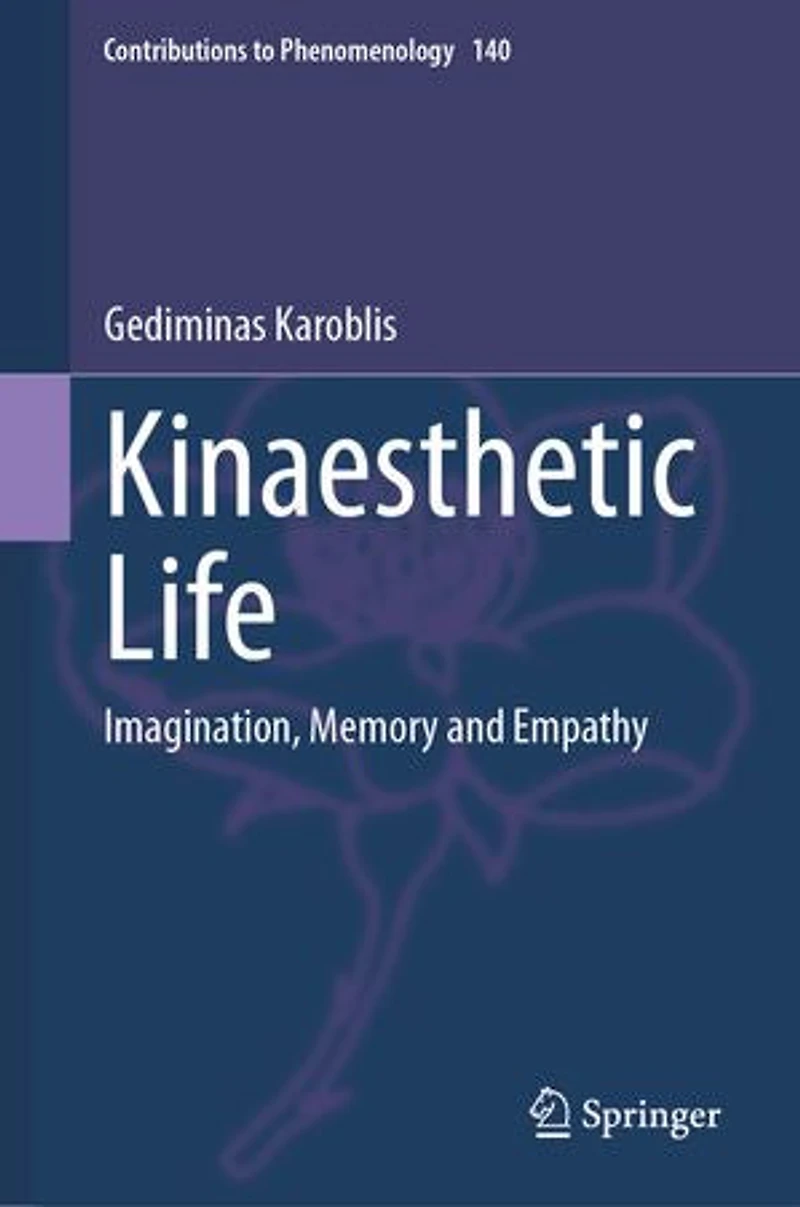
Kinaesthetic Life: Imagination, Memory and Empathy in Ottawa, ON
Current price: $189.95

Kinaesthetic Life: Imagination, Memory and Empathy in Ottawa, ON
Current price: $189.95
Loading Inventory...
Size: Hardcover
*Product information may vary - to confirm product availability, pricing, shipping and return information please contact Coles
This book is a reflection, commentary, and further development of the research on Edmund Husserl&s kinaesthesis. It not only highlights explicit kinaesthetic lines of Husserl&s thought such as in Thing and Space or Ideas II but also ties together less explored lines of Husserl&s work. In such a way, kinaesthesis is explored not only in view of perception, but also in relation to imagination, memory, phantasy, and empathy as well as the corporeal and egotic. Karoblis argues that, according to Husserl, kinaesthesis differs from proprioception not just as another kind of sensation, but as an egotic element (rather than hyletic) of the self. It is remarkable that the phenomenological tradition always treated Husserl&s concept of kinesthesis instrumentally and as a secondary subject, and extremely rarely & as an autonomous topic and a primary subject. This text fills the lacunae and also describes kinaesthesis as a practical guide of sorts, following late texts of Husserl. It appeals to scholars in the field of phenomenology, and in particular to those interested in Husserl's legacy, yet also to the experts of corporeal practices such as sport and dance; theatre and music.
This book is a reflection, commentary, and further development of the research on Edmund Husserl&s kinaesthesis. It not only highlights explicit kinaesthetic lines of Husserl&s thought such as in Thing and Space or Ideas II but also ties together less explored lines of Husserl&s work. In such a way, kinaesthesis is explored not only in view of perception, but also in relation to imagination, memory, phantasy, and empathy as well as the corporeal and egotic. Karoblis argues that, according to Husserl, kinaesthesis differs from proprioception not just as another kind of sensation, but as an egotic element (rather than hyletic) of the self. It is remarkable that the phenomenological tradition always treated Husserl&s concept of kinesthesis instrumentally and as a secondary subject, and extremely rarely & as an autonomous topic and a primary subject. This text fills the lacunae and also describes kinaesthesis as a practical guide of sorts, following late texts of Husserl. It appeals to scholars in the field of phenomenology, and in particular to those interested in Husserl's legacy, yet also to the experts of corporeal practices such as sport and dance; theatre and music.








More About Coles at Bayshore Shopping Centre
Coles is renowned for its outstanding customer service and great selection of books. Along with the vast array of magazines, stationary, audio-books, children's literature, fiction, non-fiction and reference books, you can find accessories to make your reading experience more pleasurable. We can recommend the very best in reading today. We will help you search our titles for exactly what you need, and if we do not have it in stock, we will order it for you.
100 Bayshore Dr, Nepean, ON K2B 8C1, Canada
Find Coles at Bayshore Shopping Centre in Ottawa, ON
Visit Coles at Bayshore Shopping Centre in Ottawa, ON