

Give the Gift of Choice!
Too many options? Treat your friends and family to their favourite stores with a Bayshore Shopping Centre gift card, redeemable at participating retailers throughout the centre. Click below to purchase yours today!Purchase HereHome
King Lear: The Second Quarto, 1608. A Facsimile ... by Charles Praetorius; With Introductory Notice by P.A. Daniel
Coles
Loading Inventory...
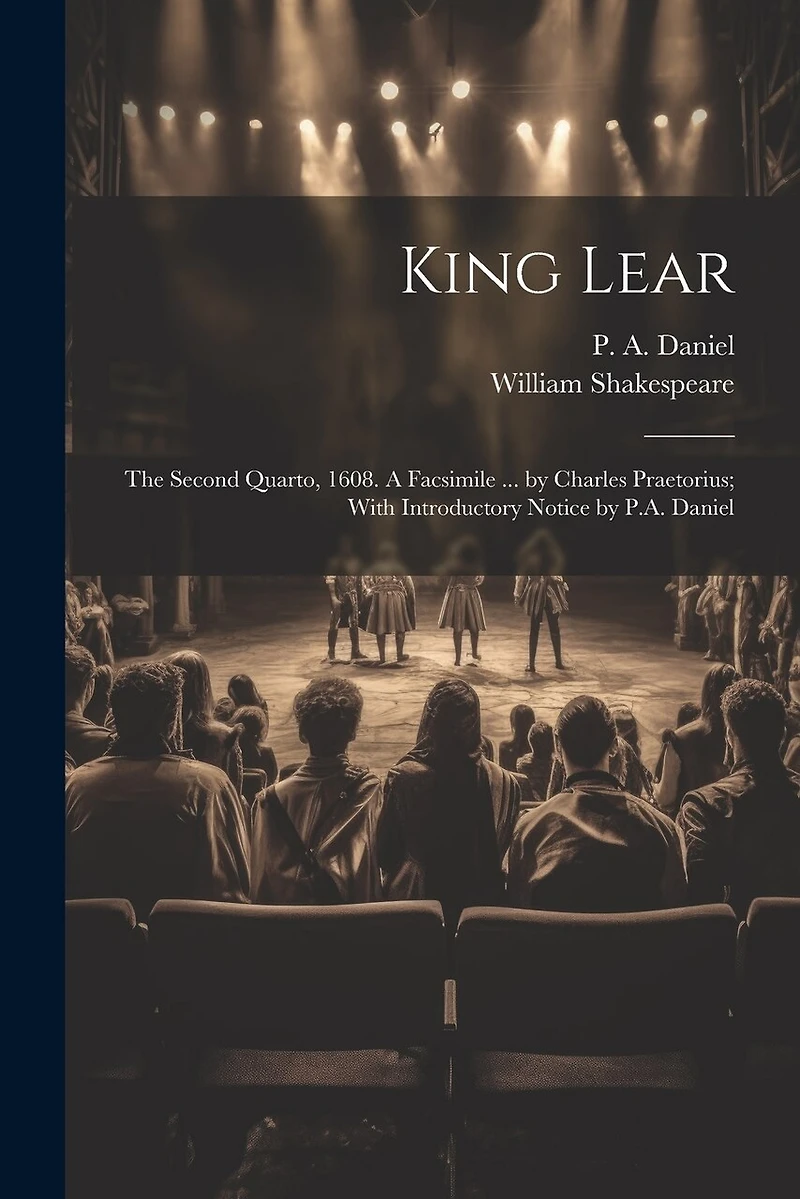
King Lear: The Second Quarto, 1608. A Facsimile ... by Charles Praetorius; With Introductory Notice by P.A. Daniel in Ottawa, ON
Current price: $18.92

King Lear: The Second Quarto, 1608. A Facsimile ... by Charles Praetorius; With Introductory Notice by P.A. Daniel in Ottawa, ON
Current price: $18.92
Loading Inventory...
Size: Paperback
*Product information may vary - to confirm product availability, pricing, shipping and return information please contact Coles
This facsimile edition of the second quarto of King Lear, originally published in 1608, is a valuable resource for scholars and enthusiasts of Shakespeare. With its detailed introductory notice and carefully reproduced text, it offers a fascinating glimpse into the early history of one of the greatest plays in the English language. This work has been selected by scholars as being culturally important, and is part of the knowledge base of civilization as we know it. This work is in the "public domain in the United States of America, and possibly other nations. Within the United States, you may freely copy and distribute this work, as no entity (individual or corporate) has a copyright on the body of the work. Scholars believe, and we concur, that this work is important enough to be preserved, reproduced, and made generally available to the public. We appreciate your support of the preservation process, and thank you for being an important part of keeping this knowledge alive and relevant.
This facsimile edition of the second quarto of King Lear, originally published in 1608, is a valuable resource for scholars and enthusiasts of Shakespeare. With its detailed introductory notice and carefully reproduced text, it offers a fascinating glimpse into the early history of one of the greatest plays in the English language. This work has been selected by scholars as being culturally important, and is part of the knowledge base of civilization as we know it. This work is in the "public domain in the United States of America, and possibly other nations. Within the United States, you may freely copy and distribute this work, as no entity (individual or corporate) has a copyright on the body of the work. Scholars believe, and we concur, that this work is important enough to be preserved, reproduced, and made generally available to the public. We appreciate your support of the preservation process, and thank you for being an important part of keeping this knowledge alive and relevant.
You May Also Like











More About Coles at Bayshore Shopping Centre
Coles is renowned for its outstanding customer service and great selection of books. Along with the vast array of magazines, stationary, audio-books, children's literature, fiction, non-fiction and reference books, you can find accessories to make your reading experience more pleasurable. We can recommend the very best in reading today. We will help you search our titles for exactly what you need, and if we do not have it in stock, we will order it for you.
100 Bayshore Dr, Nepean, ON K2B 8C1, Canada
Find Coles at Bayshore Shopping Centre in Ottawa, ON
Visit Coles at Bayshore Shopping Centre in Ottawa, ON