

Give the Gift of Choice!
Too many options? Treat your friends and family to their favourite stores with a Bayshore Shopping Centre gift card, redeemable at participating retailers throughout the centre. Click below to purchase yours today!Purchase HereHome
Knowing Bodies, Passionate Souls: Sense Perceptions In Byzantium
Coles
Loading Inventory...
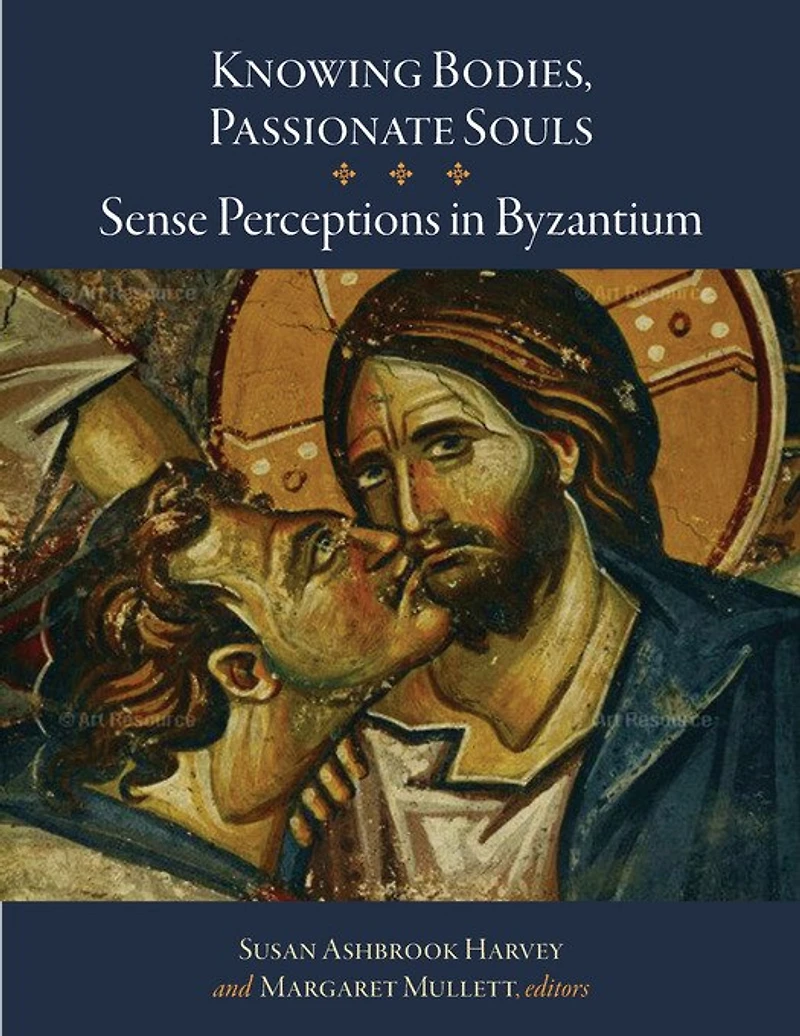
Knowing Bodies, Passionate Souls: Sense Perceptions In Byzantium in Ottawa, ON
Current price: $92.00

Knowing Bodies, Passionate Souls: Sense Perceptions In Byzantium in Ottawa, ON
Current price: $92.00
Loading Inventory...
Size: Hardcover
*Product information may vary - to confirm product availability, pricing, shipping and return information please contact Coles
How does sense perception contribute to human cognition? How did the Byzantines understand that contribution? Byzantine culture in all its domains showed deep appreciation for sensory awareness and sensory experience. The senses were reckoned as modes of knowledge—intersecting realms both human and divine, bodily and spiritual, physical and intellectual.
Scholars have attended to aspects of sight and sound in Byzantine culture, but have generally left smell, taste, and touch undervalued and understudied. Through collected essays that redress the imbalance, the contributors explore how the Byzantines viewed the senses; how they envisaged sensory interactions within their world; and how they described, narrated, and represented the senses at work. The result is a fresh charting of the Byzantine sensorium as a whole.
How does sense perception contribute to human cognition? How did the Byzantines understand that contribution? Byzantine culture in all its domains showed deep appreciation for sensory awareness and sensory experience. The senses were reckoned as modes of knowledge—intersecting realms both human and divine, bodily and spiritual, physical and intellectual.
Scholars have attended to aspects of sight and sound in Byzantine culture, but have generally left smell, taste, and touch undervalued and understudied. Through collected essays that redress the imbalance, the contributors explore how the Byzantines viewed the senses; how they envisaged sensory interactions within their world; and how they described, narrated, and represented the senses at work. The result is a fresh charting of the Byzantine sensorium as a whole.
You May Also Like








More About Coles at Bayshore Shopping Centre
Coles is renowned for its outstanding customer service and great selection of books. Along with the vast array of magazines, stationary, audio-books, children's literature, fiction, non-fiction and reference books, you can find accessories to make your reading experience more pleasurable. We can recommend the very best in reading today. We will help you search our titles for exactly what you need, and if we do not have it in stock, we will order it for you.
100 Bayshore Dr, Nepean, ON K2B 8C1, Canada
Find Coles at Bayshore Shopping Centre in Ottawa, ON
Visit Coles at Bayshore Shopping Centre in Ottawa, ON