

Give the Gift of Choice!
Too many options? Treat your friends and family to their favourite stores with a Bayshore Shopping Centre gift card, redeemable at participating retailers throughout the centre. Click below to purchase yours today!Purchase HereHome
Knowledge and Evolution: How Theology, Philosophy, Science Converge the Question of Origins
Coles
Loading Inventory...
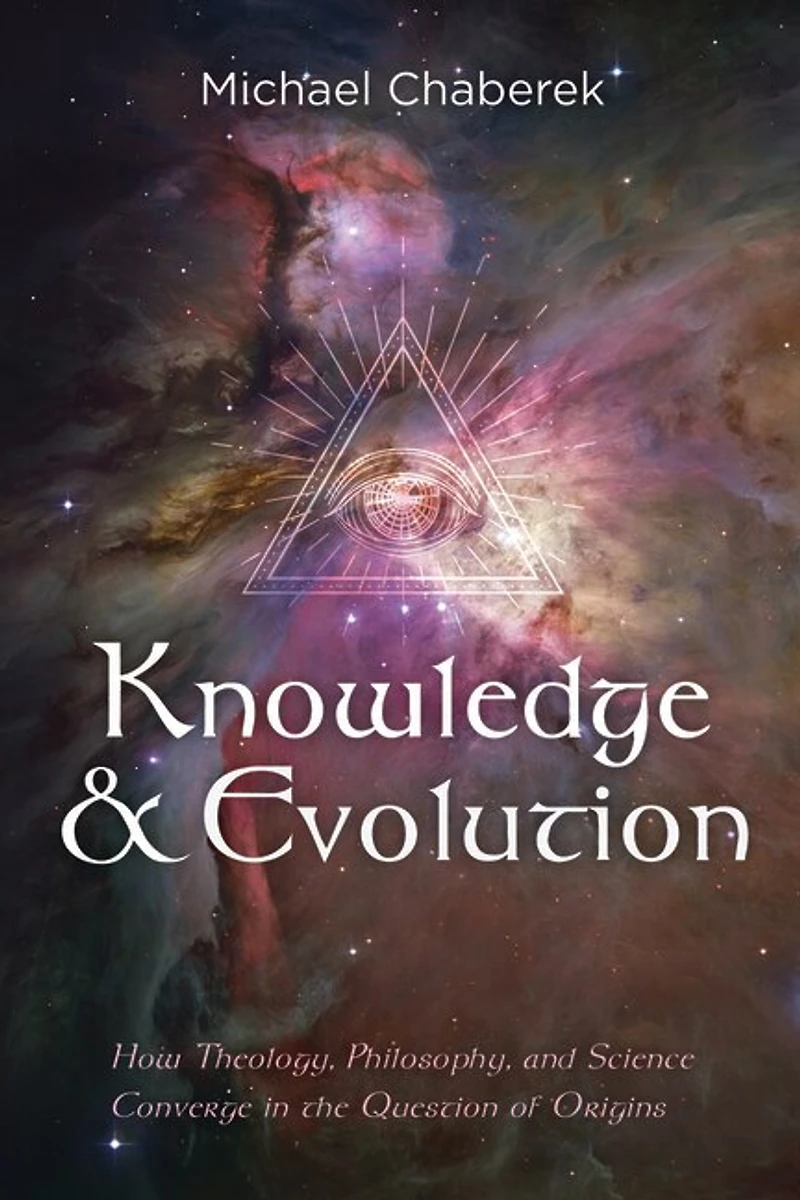
Knowledge and Evolution: How Theology, Philosophy, Science Converge the Question of Origins in Ottawa, ON
Current price: $65.00

Knowledge and Evolution: How Theology, Philosophy, Science Converge the Question of Origins in Ottawa, ON
Current price: $65.00
Loading Inventory...
Size: Hardcover
*Product information may vary - to confirm product availability, pricing, shipping and return information please contact Coles
The question of the origins of the universe is probably one of the most dwelled upon and argued about over the last couple of centuries. Ever since Charles Darwin proposed his theory, evolutionists and creationists want to settle the issue on their sides. But science did not stop at Darwin's time. It progressed enormously, creating significant problems for Darwinian explanations. Is there a better answer than the dominant neo-Darwinian synthesis? Even more fundamental is the question of whether natural science, by itself, can explain the origins of nature. What are the limits of science and where should we turn to philosophy and theology? How do these three domains--science, philosophy, and theology--relate when addressing the question of origins? Theistic evolution, the idea of God using evolution as a means of creating the universe, faces problems from both classic Christian theology as well as classic metaphysics. Today things do not look good for the dominant views. The time has come to propose a new faith and science synthesis, one that offers a serious approach to the Bible on the one hand and an honest look at biological findings on the other. This book sets a path to such a new synthesis.
The question of the origins of the universe is probably one of the most dwelled upon and argued about over the last couple of centuries. Ever since Charles Darwin proposed his theory, evolutionists and creationists want to settle the issue on their sides. But science did not stop at Darwin's time. It progressed enormously, creating significant problems for Darwinian explanations. Is there a better answer than the dominant neo-Darwinian synthesis? Even more fundamental is the question of whether natural science, by itself, can explain the origins of nature. What are the limits of science and where should we turn to philosophy and theology? How do these three domains--science, philosophy, and theology--relate when addressing the question of origins? Theistic evolution, the idea of God using evolution as a means of creating the universe, faces problems from both classic Christian theology as well as classic metaphysics. Today things do not look good for the dominant views. The time has come to propose a new faith and science synthesis, one that offers a serious approach to the Bible on the one hand and an honest look at biological findings on the other. This book sets a path to such a new synthesis.
You May Also Like









More About Coles at Bayshore Shopping Centre
Coles is renowned for its outstanding customer service and great selection of books. Along with the vast array of magazines, stationary, audio-books, children's literature, fiction, non-fiction and reference books, you can find accessories to make your reading experience more pleasurable. We can recommend the very best in reading today. We will help you search our titles for exactly what you need, and if we do not have it in stock, we will order it for you.
100 Bayshore Dr, Nepean, ON K2B 8C1, Canada
Find Coles at Bayshore Shopping Centre in Ottawa, ON
Visit Coles at Bayshore Shopping Centre in Ottawa, ON