

Give the Gift of Choice!
Too many options? Treat your friends and family to their favourite stores with a Bayshore Shopping Centre gift card, redeemable at participating retailers throughout the centre. Click below to purchase yours today!Purchase HereHome
Kohut's Self Psychology for a Fractured World: New Ways of Understanding the and Human Community
Coles
Loading Inventory...
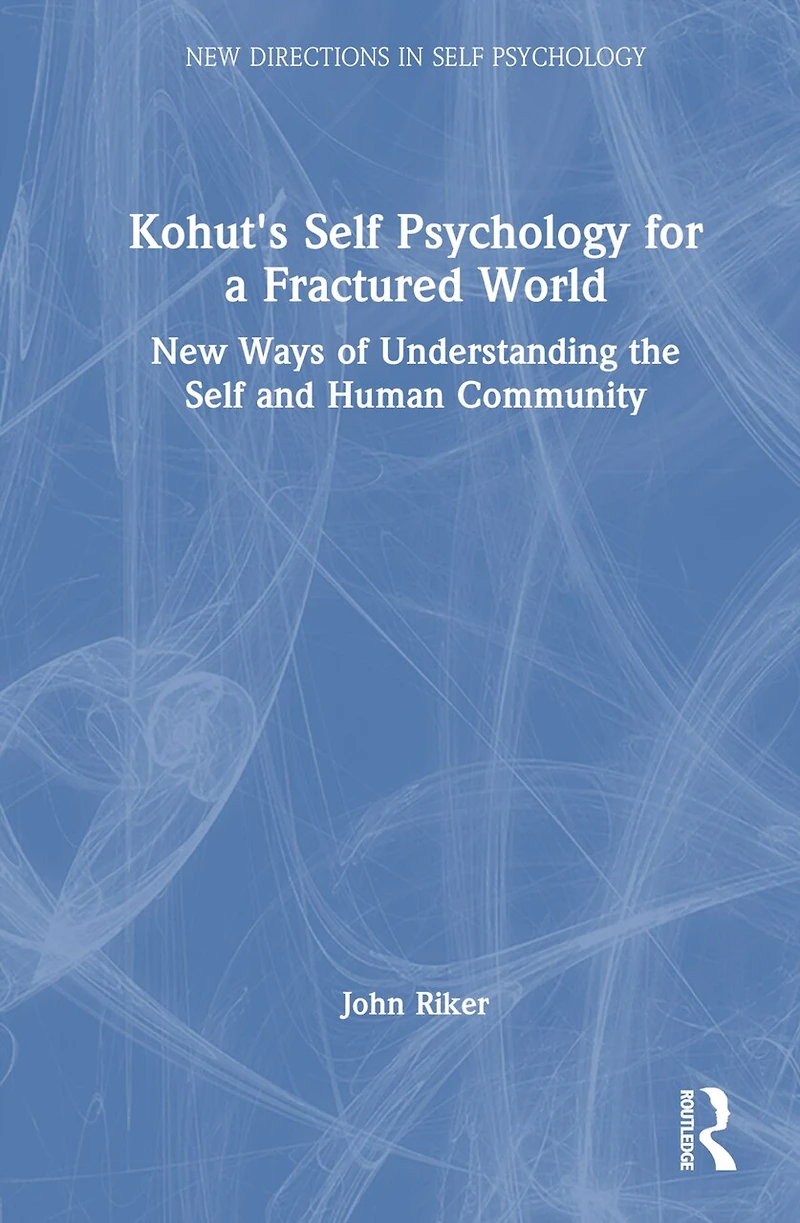
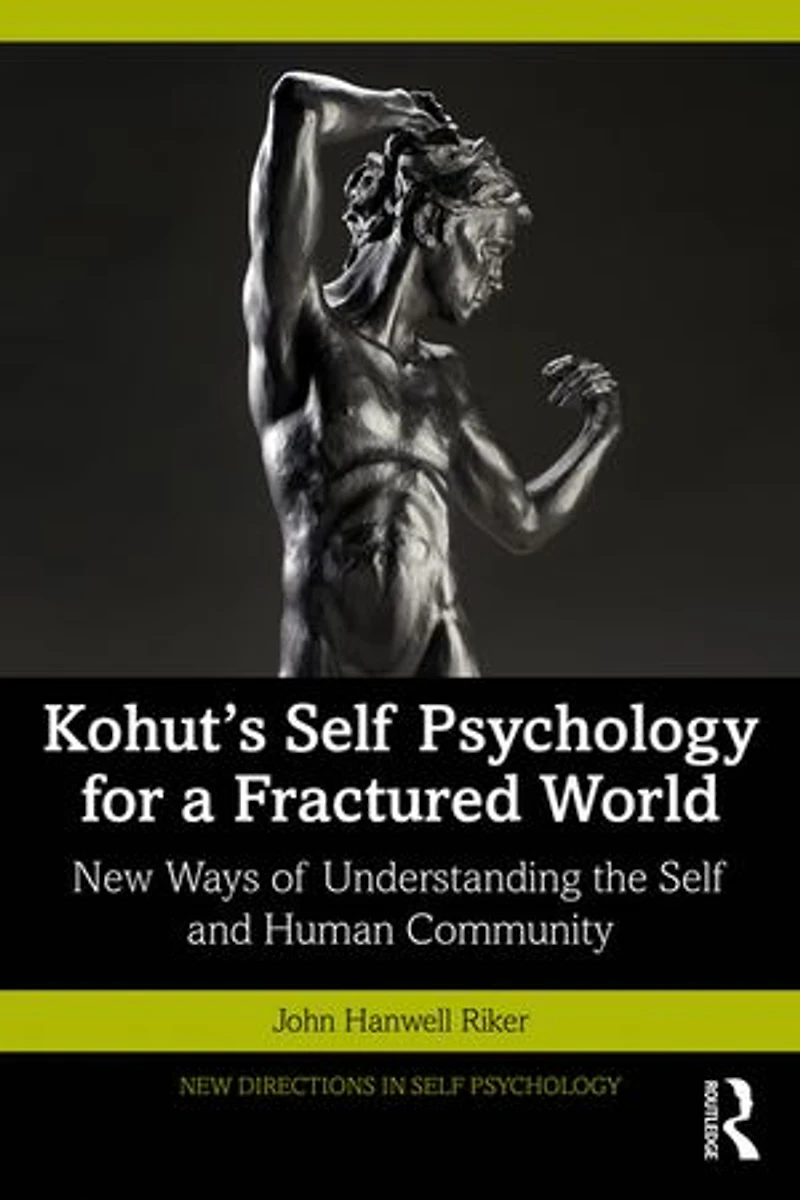
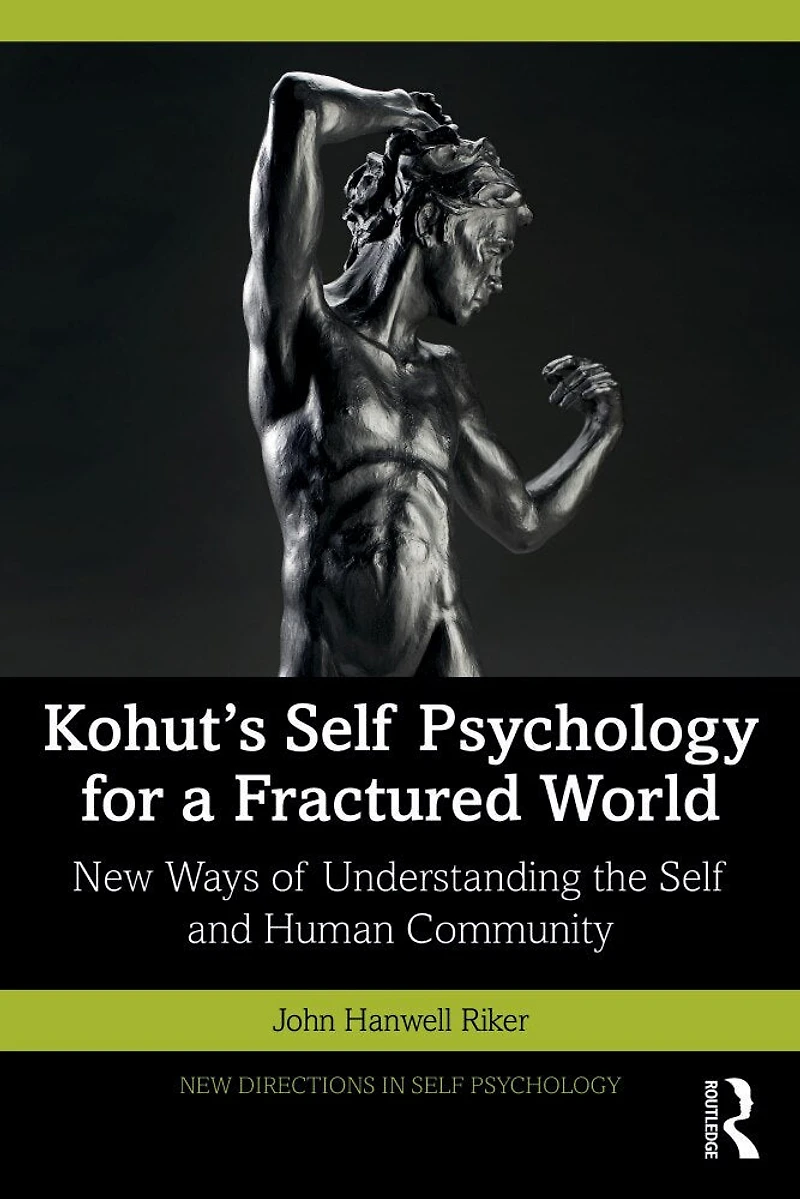
Kohut's Self Psychology for a Fractured World: New Ways of Understanding the and Human Community in Ottawa, ON
By None
Current price: $296.50

By None
Kohut's Self Psychology for a Fractured World: New Ways of Understanding the and Human Community in Ottawa, ON
Current price: $296.50
Loading Inventory...
Size: Hardcover
*Product information may vary - to confirm product availability, pricing, shipping and return information please contact Coles
Drawing from Kohut's conceptualisation of self, Riker sets out how contemporary America's formulation of persons as autonomous, self-sufficient individuals is deeply injurious to the development of a vitalizing self-structure-a condition which lies behind much of the mental illness and social malaise of today's world. By carefully attending to Kohut's texts, Riker explains the structural, functional, and dynamic dimensions of Kohut's concept of the self. He creatively extends this concept to show how the self can be conceived of as an erotic striving for connectedness, beauty, and harmony, separate from the ego. Riker uses this distinction to reveal how social practices of contemporary American society foster skills and traits to advance the aims of the ego for power and control, but tend to suppress the needs of the self to authentically express its ideals and connect with others. The book explores the impact that this view can have on clinical practice, and concludes by imaginatively constructing an ideal self-psychological society, using Plato's Republic as a touchstone. Informed by self psychology and philosophy, this book is essential reading for psychoanalysts, psychotherapists and philosophers, seeking to revisit and revise constructions of both self and humanity.
Drawing from Kohut's conceptualisation of self, Riker sets out how contemporary America's formulation of persons as autonomous, self-sufficient individuals is deeply injurious to the development of a vitalizing self-structure-a condition which lies behind much of the mental illness and social malaise of today's world. By carefully attending to Kohut's texts, Riker explains the structural, functional, and dynamic dimensions of Kohut's concept of the self. He creatively extends this concept to show how the self can be conceived of as an erotic striving for connectedness, beauty, and harmony, separate from the ego. Riker uses this distinction to reveal how social practices of contemporary American society foster skills and traits to advance the aims of the ego for power and control, but tend to suppress the needs of the self to authentically express its ideals and connect with others. The book explores the impact that this view can have on clinical practice, and concludes by imaginatively constructing an ideal self-psychological society, using Plato's Republic as a touchstone. Informed by self psychology and philosophy, this book is essential reading for psychoanalysts, psychotherapists and philosophers, seeking to revisit and revise constructions of both self and humanity.
You May Also Like














More About Coles at Bayshore Shopping Centre
Coles is renowned for its outstanding customer service and great selection of books. Along with the vast array of magazines, stationary, audio-books, children's literature, fiction, non-fiction and reference books, you can find accessories to make your reading experience more pleasurable. We can recommend the very best in reading today. We will help you search our titles for exactly what you need, and if we do not have it in stock, we will order it for you.
100 Bayshore Dr, Nepean, ON K2B 8C1, Canada
Find Coles at Bayshore Shopping Centre in Ottawa, ON
Visit Coles at Bayshore Shopping Centre in Ottawa, ON