

Give the Gift of Choice!
Too many options? Treat your friends and family to their favourite stores with a Bayshore Shopping Centre gift card, redeemable at participating retailers throughout the centre. Click below to purchase yours today!Purchase HereHome
Koni: La ville des derviches tourneurs: Souvenirs D'un Voyage En Asie Mineure
Coles
Loading Inventory...
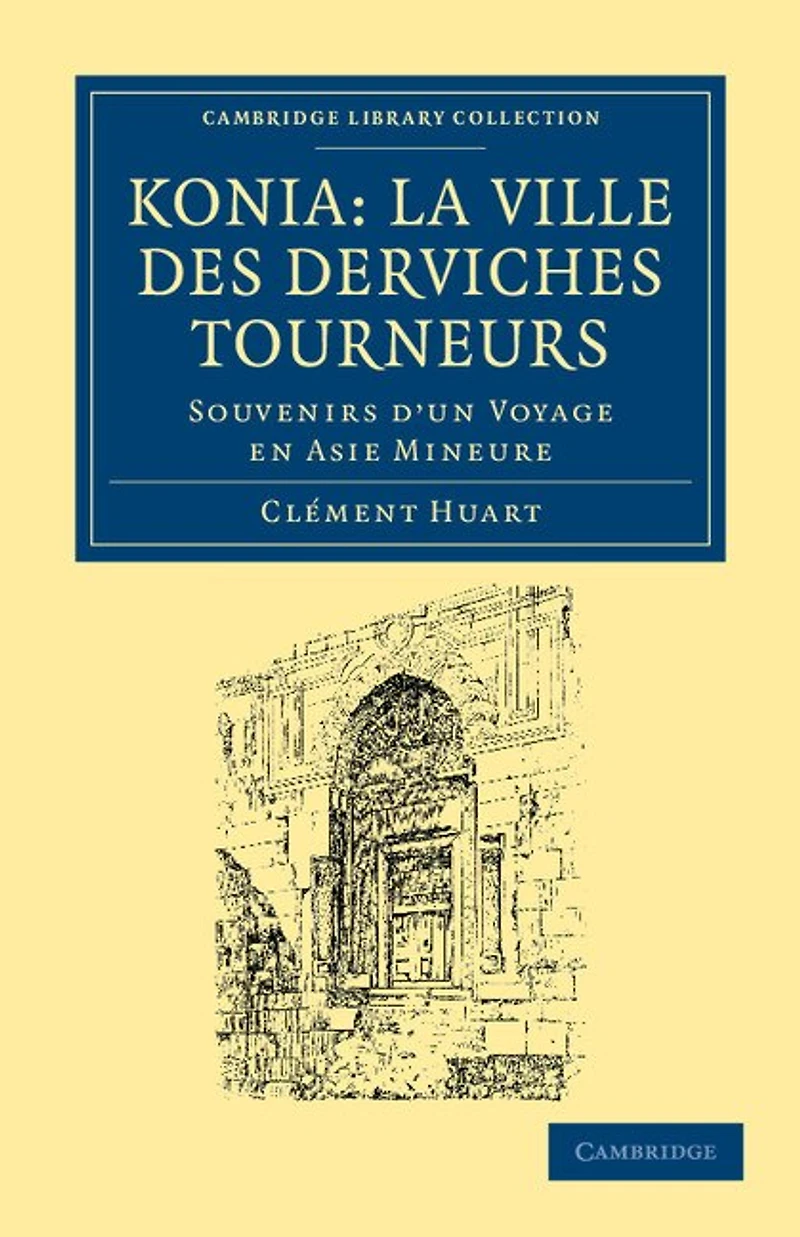
Koni: La ville des derviches tourneurs: Souvenirs D'un Voyage En Asie Mineure in Ottawa, ON
Current price: $53.09

Koni: La ville des derviches tourneurs: Souvenirs D'un Voyage En Asie Mineure in Ottawa, ON
Current price: $53.09
Loading Inventory...
Size: Paperback
*Product information may vary - to confirm product availability, pricing, shipping and return information please contact Coles
Clément Huart (1854–1926) graduated in Arabic, Persian, Turkish and Modern Greek and served as a French diplomat in Istanbul (or, as he called it, Constantinople) for twenty years before becoming Professor of Persian at the Ecole des Langues Orientales in Paris. He edited and translated many oriental texts and published widely on Middle-Eastern cultures. This 1897 publication describes a visit to Konya, where Huart hoped to find out more about the capital of the Seljuk Empire than was recorded in Byzantine or Persian sources. Travelling on horseback from Istanbul, Huart noted his impressions of archaeological sites and historic buildings, and recorded details of many inscriptions from the Seljuk period on mosques, mausoleums, caravanserais and fortresses. He also met the whirling dervishes. His fascinating account of his experiences is interwoven with references to medieval battles and Islamic legends, together with advice for future travellers to this rapidly modernising region.
Clément Huart (1854–1926) graduated in Arabic, Persian, Turkish and Modern Greek and served as a French diplomat in Istanbul (or, as he called it, Constantinople) for twenty years before becoming Professor of Persian at the Ecole des Langues Orientales in Paris. He edited and translated many oriental texts and published widely on Middle-Eastern cultures. This 1897 publication describes a visit to Konya, where Huart hoped to find out more about the capital of the Seljuk Empire than was recorded in Byzantine or Persian sources. Travelling on horseback from Istanbul, Huart noted his impressions of archaeological sites and historic buildings, and recorded details of many inscriptions from the Seljuk period on mosques, mausoleums, caravanserais and fortresses. He also met the whirling dervishes. His fascinating account of his experiences is interwoven with references to medieval battles and Islamic legends, together with advice for future travellers to this rapidly modernising region.
You May Also Like









More About Coles at Bayshore Shopping Centre
Coles is renowned for its outstanding customer service and great selection of books. Along with the vast array of magazines, stationary, audio-books, children's literature, fiction, non-fiction and reference books, you can find accessories to make your reading experience more pleasurable. We can recommend the very best in reading today. We will help you search our titles for exactly what you need, and if we do not have it in stock, we will order it for you.
100 Bayshore Dr, Nepean, ON K2B 8C1, Canada
Find Coles at Bayshore Shopping Centre in Ottawa, ON
Visit Coles at Bayshore Shopping Centre in Ottawa, ON