

Give the Gift of Choice!
Too many options? Treat your friends and family to their favourite stores with a Bayshore Shopping Centre gift card, redeemable at participating retailers throughout the centre. Click below to purchase yours today!Purchase HereHome
Korean Pansori as Voice Theatre: History, Theory, Practice
Coles
Loading Inventory...
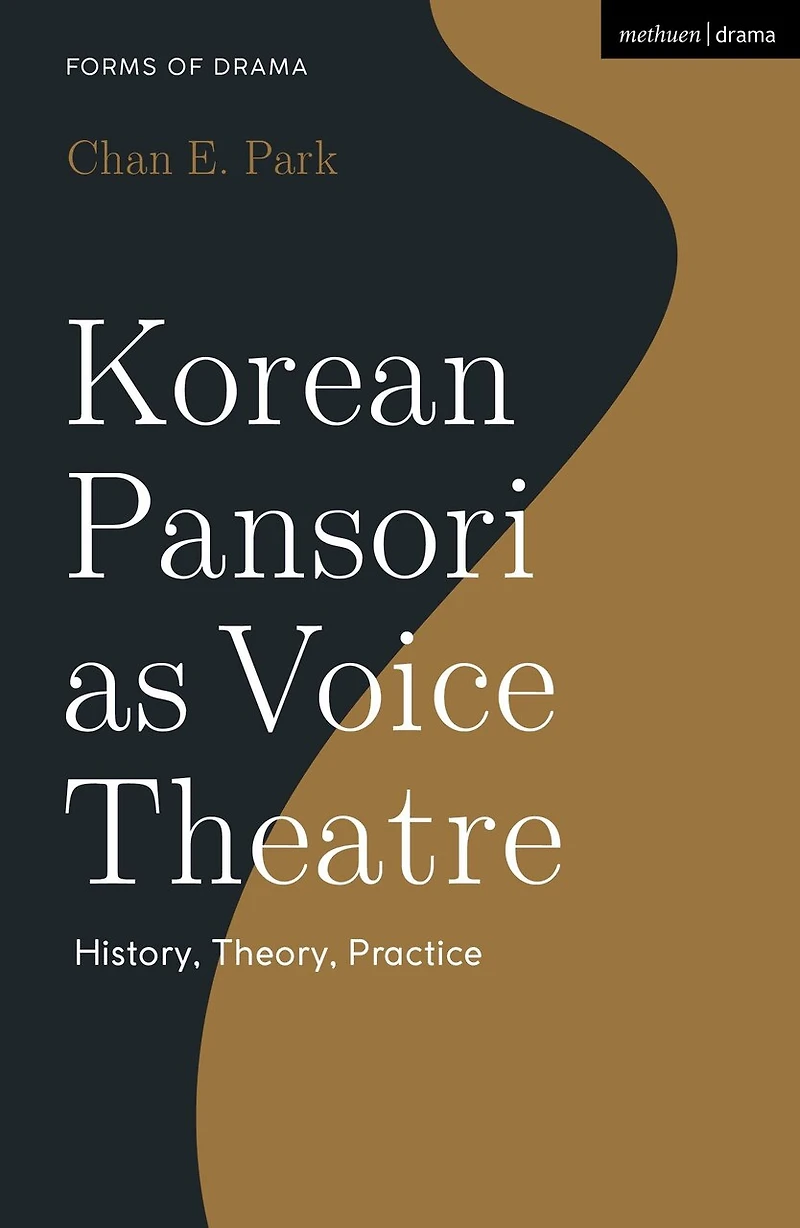
Korean Pansori as Voice Theatre: History, Theory, Practice in Ottawa, ON
Current price: $138.95

Korean Pansori as Voice Theatre: History, Theory, Practice in Ottawa, ON
Current price: $138.95
Loading Inventory...
Size: Hardcover
*Product information may vary - to confirm product availability, pricing, shipping and return information please contact Coles
This book introduces readers to the historical, performative, and cultural context of pansori, a traditional Korean oral story-singing art. Written by a scholar-practitioner of the form, this study is structured in three parts and begins by introducing readers to the technical, aesthetic, and theoretical components of pansori, as well as the synthesis of vocal and percussive elements that stage the narrative. It moves on to reflect on the historical contexts of pansori, alongside Korea's transformation from Joseon monarchy to modern statehood. It argues that with colonial annexation came modernist influences that Korean dramatists and audiences used to create new genres of performance, using the common thread of pansori. The book's third part explores the interplay of preservation and innovation, beginning in the post-war period and continuing with developments in the 20th and 21st centuries that coincide with Korea's imprint on cultural globalization. Along with Korea's growth as a world economic center, a growing enthusiasm for Korean culture around the world has increased the transmission and visibility of pansori. This study argues that tradition and innovation are not as divergent as they are sometimes imagined to be and that tradition is the force that enables innovation. Drawing on Chan E. Park's ethnographic work and performance practice, this book interweaves expert knowledge of both the textual and performative aspects of pansori, rendering legible this dramatic tradition.
This book introduces readers to the historical, performative, and cultural context of pansori, a traditional Korean oral story-singing art. Written by a scholar-practitioner of the form, this study is structured in three parts and begins by introducing readers to the technical, aesthetic, and theoretical components of pansori, as well as the synthesis of vocal and percussive elements that stage the narrative. It moves on to reflect on the historical contexts of pansori, alongside Korea's transformation from Joseon monarchy to modern statehood. It argues that with colonial annexation came modernist influences that Korean dramatists and audiences used to create new genres of performance, using the common thread of pansori. The book's third part explores the interplay of preservation and innovation, beginning in the post-war period and continuing with developments in the 20th and 21st centuries that coincide with Korea's imprint on cultural globalization. Along with Korea's growth as a world economic center, a growing enthusiasm for Korean culture around the world has increased the transmission and visibility of pansori. This study argues that tradition and innovation are not as divergent as they are sometimes imagined to be and that tradition is the force that enables innovation. Drawing on Chan E. Park's ethnographic work and performance practice, this book interweaves expert knowledge of both the textual and performative aspects of pansori, rendering legible this dramatic tradition.
You May Also Like








More About Coles at Bayshore Shopping Centre
Coles is renowned for its outstanding customer service and great selection of books. Along with the vast array of magazines, stationary, audio-books, children's literature, fiction, non-fiction and reference books, you can find accessories to make your reading experience more pleasurable. We can recommend the very best in reading today. We will help you search our titles for exactly what you need, and if we do not have it in stock, we will order it for you.
100 Bayshore Dr, Nepean, ON K2B 8C1, Canada
Find Coles at Bayshore Shopping Centre in Ottawa, ON
Visit Coles at Bayshore Shopping Centre in Ottawa, ON