

Give the Gift of Choice!
Too many options? Treat your friends and family to their favourite stores with a Bayshore Shopping Centre gift card, redeemable at participating retailers throughout the centre. Click below to purchase yours today!Purchase HereHome
L2 Writing Assessment: An Evolutionary Perspective
Coles
Loading Inventory...
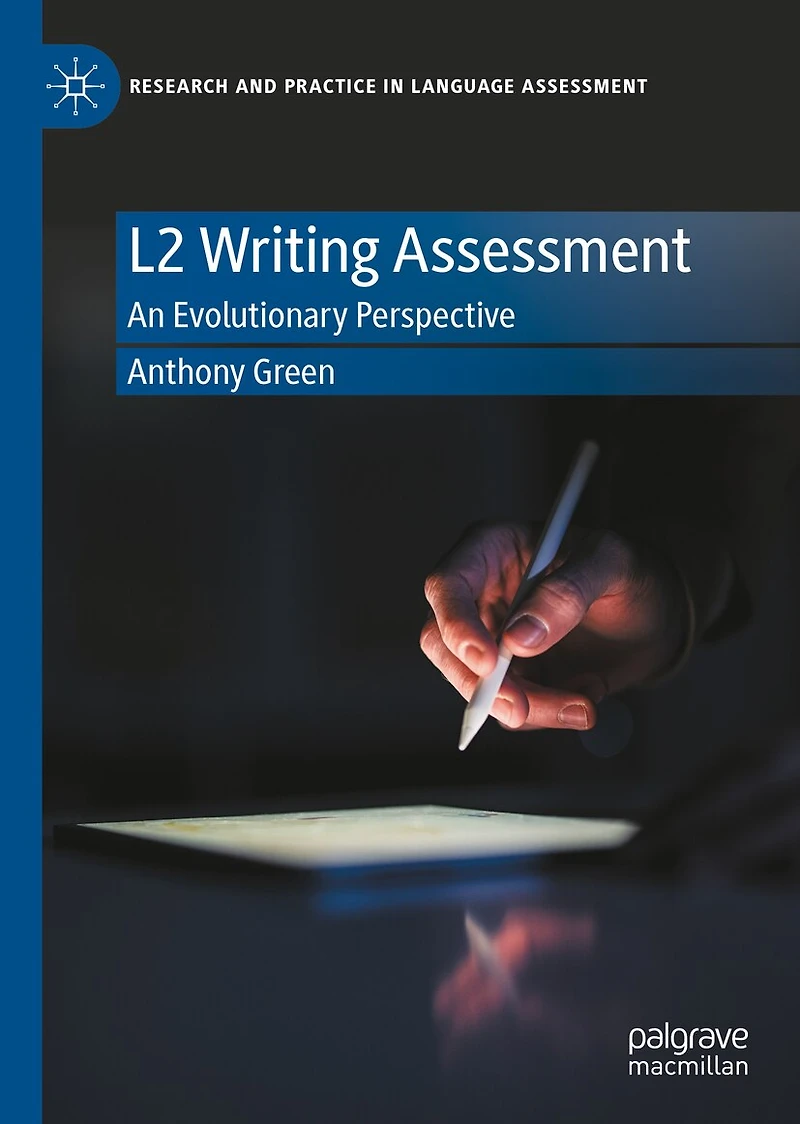
L2 Writing Assessment: An Evolutionary Perspective in Ottawa, ON
Current price: $189.95

L2 Writing Assessment: An Evolutionary Perspective in Ottawa, ON
Current price: $189.95
Loading Inventory...
Size: Hardcover
*Product information may vary - to confirm product availability, pricing, shipping and return information please contact Coles
This book tackles three choices that face developers of L2 writing assessments: defining L2 writing abilities; collecting evidence of those abilities (usually by getting L2 writers to write something); and judging their performance (usually by assigning a score or grade to it). It takes a historical view of how assessment developers have made those choices, how contemporary practices emerged, and of alternative techniques that have risen and fallen over time. The three sections each tackle one of these choices. The first considers the social functions that define L2 writing and assessment; the second relates how assessment tasks have adapted to changing conceptions of languages, writing, and assessment; and the third explores how scoring systems have evolved. Each section brings the reader up to date with current issues confronting writing assessment (both in large-scale testing and in language classrooms) before considering the new opportunities and challenges of the digital age. This book will be of interest to students, scholars and practitioners in language assessment, language education, and applied linguistics.
This book tackles three choices that face developers of L2 writing assessments: defining L2 writing abilities; collecting evidence of those abilities (usually by getting L2 writers to write something); and judging their performance (usually by assigning a score or grade to it). It takes a historical view of how assessment developers have made those choices, how contemporary practices emerged, and of alternative techniques that have risen and fallen over time. The three sections each tackle one of these choices. The first considers the social functions that define L2 writing and assessment; the second relates how assessment tasks have adapted to changing conceptions of languages, writing, and assessment; and the third explores how scoring systems have evolved. Each section brings the reader up to date with current issues confronting writing assessment (both in large-scale testing and in language classrooms) before considering the new opportunities and challenges of the digital age. This book will be of interest to students, scholars and practitioners in language assessment, language education, and applied linguistics.
You May Also Like








More About Coles at Bayshore Shopping Centre
Coles is renowned for its outstanding customer service and great selection of books. Along with the vast array of magazines, stationary, audio-books, children's literature, fiction, non-fiction and reference books, you can find accessories to make your reading experience more pleasurable. We can recommend the very best in reading today. We will help you search our titles for exactly what you need, and if we do not have it in stock, we will order it for you.
100 Bayshore Dr, Nepean, ON K2B 8C1, Canada
Find Coles at Bayshore Shopping Centre in Ottawa, ON
Visit Coles at Bayshore Shopping Centre in Ottawa, ON