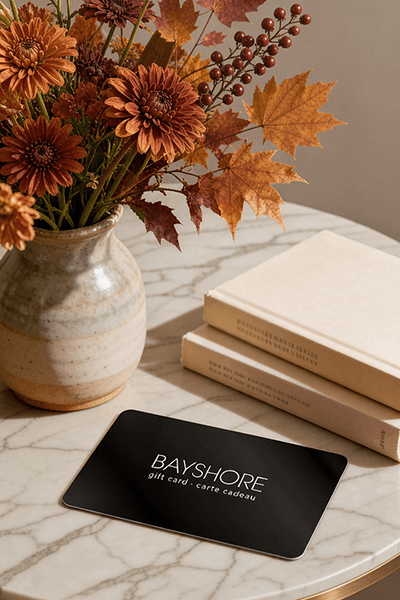
Too many options? Treat your friends and family to their favourite stores with a Bayshore Shopping Centre gift card, redeemable at participating retailers throughout the centre. Click below to purchase yours today!Purchase Here
Coles Land Politics: How Customary Institutions Shape State Building Zambia and Senegal at Bayshore Shopping Centre in Ottawa, ON
*Product information may vary - to confirm product availability, pricing, shipping and return information please contact Coles
Land Politics examines the struggle to control land in Africa through the lens of land titling in Zambia and Senegal. Contrary to standard wisdom portraying titling as an inevitable product of economic development, Lauren Honig traces its distinctly political logic and shows how informality is maintained by local actors. The book's analysis focuses on chiefs, customary institutions, and citizens, revealing that the strength of these institutions and an individual's position within them impact the expansion of state authority over land rights. Honig explores common subnational patterns within the two very different countries to highlight the important effects of local institutions, not the state's capacity or priorities alone, on state building outcomes. Drawing on evidence from national land titling records, qualitative case studies, interviews, and surveys, this book contributes new insights into the persistence of institutional legacies and the political determinants of property rights.
Land Politics examines the struggle to control land in Africa through the lens of land titling in Zambia and Senegal. Contrary to standard wisdom portraying titling as an inevitable product of economic development, Lauren Honig traces its distinctly political logic and shows how informality is maintained by local actors. The book's analysis focuses on chiefs, customary institutions, and citizens, revealing that the strength of these institutions and an individual's position within them impact the expansion of state authority over land rights. Honig explores common subnational patterns within the two very different countries to highlight the important effects of local institutions, not the state's capacity or priorities alone, on state building outcomes. Drawing on evidence from national land titling records, qualitative case studies, interviews, and surveys, this book contributes new insights into the persistence of institutional legacies and the political determinants of property rights.
Coles is renowned for its outstanding customer service and great selection of books. Along with the vast array of magazines, stationary, audio-books, children's literature, fiction, non-fiction and reference books, you can find accessories to make your reading experience more pleasurable. We can recommend the very best in reading today. We will help you search our titles for exactly what you need, and if we do not have it in stock, we will order it for you.