

Give the Gift of Choice!
Too many options? Treat your friends and family to their favourite stores with a Bayshore Shopping Centre gift card, redeemable at participating retailers throughout the centre. Click below to purchase yours today!Purchase HereHome
Landscapes of Slavery Africa
Coles
Loading Inventory...
Landscapes of Slavery Africa in Ottawa, ON
Current price: $81.42

Landscapes of Slavery Africa in Ottawa, ON
Current price: $81.42
Loading Inventory...
Size: Kobo eBook
*Product information may vary - to confirm product availability, pricing, shipping and return information please contact Coles
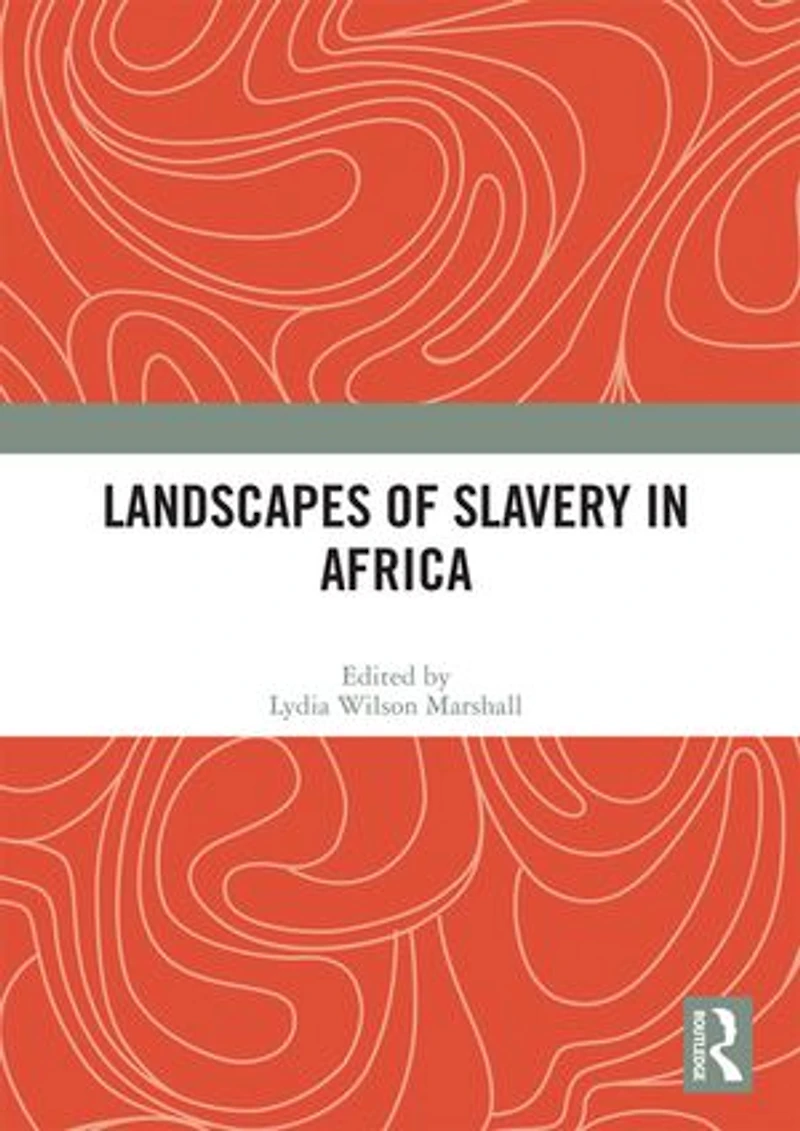
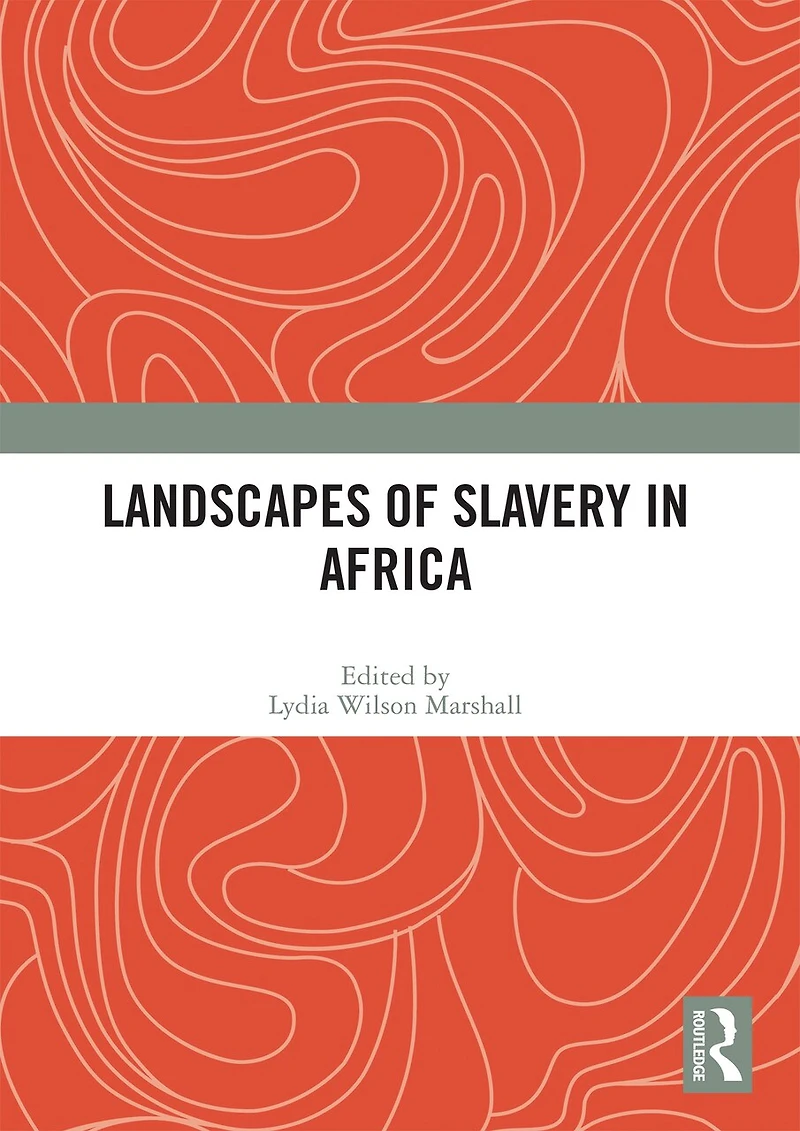
Slavery was a large-scale process that put its mark on the African landscape in tangible ways-for example, through the capture, transfer, and imprisonment of captives and through the avoidance strategies that vulnerable communities used against slaving. Certainly, the expansion of trade routes, the depopulation of slaved regions, and an increased reliance on defensive architecture and places of concealment can all be linked to slaving and slavery in Africa. But how do we view these landscapes of slavery today? And can archaeology help us? Encompassing studies from Senegal, Ghana, Mauritius, Tanzania, and Kenya, this volume grapples with such essential questions. The authors advocate for the power of archaeology as a tool to disentangle often lengthy and complex landscape histories that both begin before slavery and continue after abolition. They also argue for archaeologists' central role in reimagining how we might remember and commemorate slavery in places where its history has been forgotten, obscured by European colonialism, or sanitized and simplified for tourist consumption. The chapters in this book were originally published in a special issue of the Journal of African Diaspora Archaeology and Heritage.
Slavery was a large-scale process that put its mark on the African landscape in tangible ways-for example, through the capture, transfer, and imprisonment of captives and through the avoidance strategies that vulnerable communities used against slaving. Certainly, the expansion of trade routes, the depopulation of slaved regions, and an increased reliance on defensive architecture and places of concealment can all be linked to slaving and slavery in Africa. But how do we view these landscapes of slavery today? And can archaeology help us? Encompassing studies from Senegal, Ghana, Mauritius, Tanzania, and Kenya, this volume grapples with such essential questions. The authors advocate for the power of archaeology as a tool to disentangle often lengthy and complex landscape histories that both begin before slavery and continue after abolition. They also argue for archaeologists' central role in reimagining how we might remember and commemorate slavery in places where its history has been forgotten, obscured by European colonialism, or sanitized and simplified for tourist consumption. The chapters in this book were originally published in a special issue of the Journal of African Diaspora Archaeology and Heritage.
You May Also Like







More About Coles at Bayshore Shopping Centre
Coles is renowned for its outstanding customer service and great selection of books. Along with the vast array of magazines, stationary, audio-books, children's literature, fiction, non-fiction and reference books, you can find accessories to make your reading experience more pleasurable. We can recommend the very best in reading today. We will help you search our titles for exactly what you need, and if we do not have it in stock, we will order it for you.
100 Bayshore Dr, Nepean, ON K2B 8C1, Canada
Find Coles at Bayshore Shopping Centre in Ottawa, ON
Visit Coles at Bayshore Shopping Centre in Ottawa, ON