

Give the Gift of Choice!
Too many options? Treat your friends and family to their favourite stores with a Bayshore Shopping Centre gift card, redeemable at participating retailers throughout the centre. Click below to purchase yours today!Purchase HereHome
Law and Mimesis in Boccaccio's Decameron: Realism on Trial
Coles
Loading Inventory...
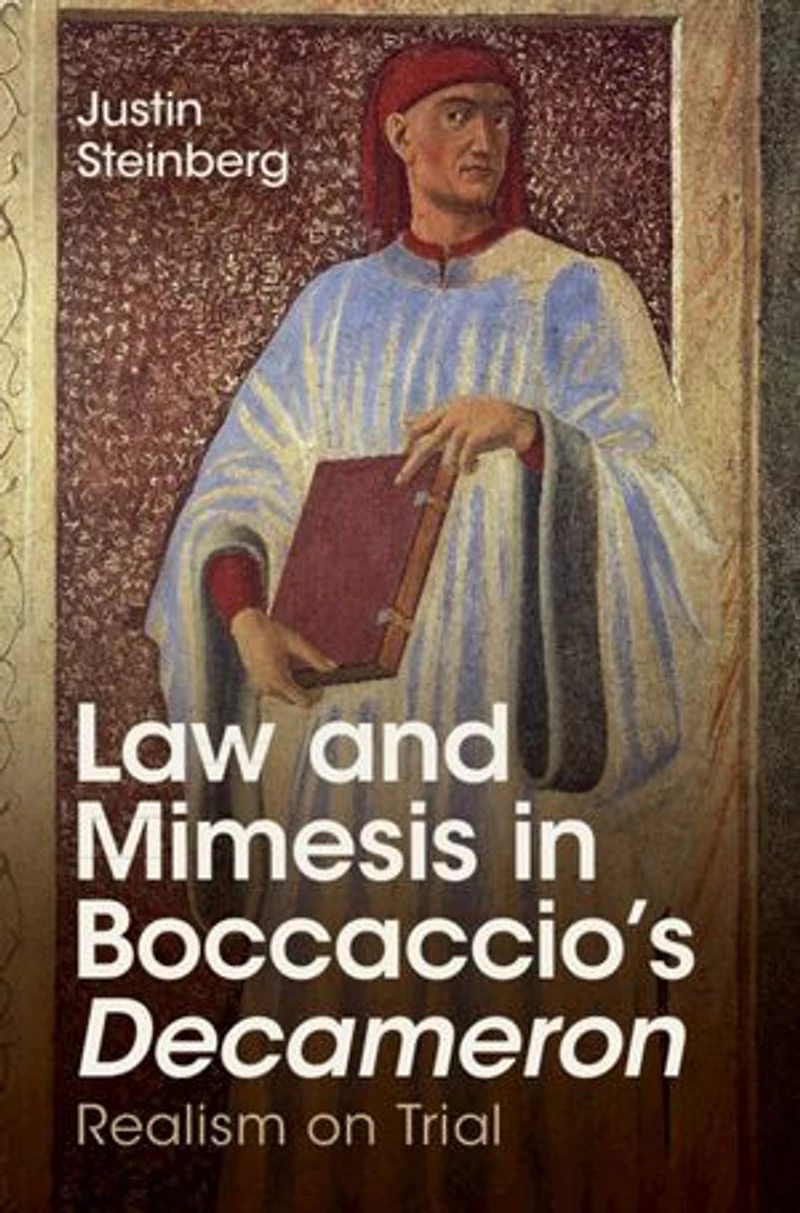
Law and Mimesis in Boccaccio's Decameron: Realism on Trial in Ottawa, ON
Current price: $38.39
Original price: $47.95

Law and Mimesis in Boccaccio's Decameron: Realism on Trial in Ottawa, ON
Current price: $38.39
Original price: $47.95
Loading Inventory...
Size: Kobo eBook
*Product information may vary - to confirm product availability, pricing, shipping and return information please contact Coles
In Boccaccio's time, the Italian city-state began to take on a much more proactive role in prosecuting crime – one which superseded a largely communitarian, private approach. The emergence of the state-sponsored inquisitorial trial indeed haunts the legal proceedings staged in the Decameron. How, Justin Steinberg asks, does this significant juridical shift alter our perspective on Boccaccio's much-touted realism and literary self-consciousness? What can it tell us about how he views his predecessor, Dante: perhaps the world's most powerful inquisitorial judge? And to what extent does the Decameron shed light on the enduring role of verisimilitude and truth-seeming in our current legal system? The author explores these and other literary, philosophical, and ethical questions that Boccaccio raises in the Decameron's numerous trials. The book will appeal to scholars and students of medieval and early modern studies, literary theory and legal history.
In Boccaccio's time, the Italian city-state began to take on a much more proactive role in prosecuting crime – one which superseded a largely communitarian, private approach. The emergence of the state-sponsored inquisitorial trial indeed haunts the legal proceedings staged in the Decameron. How, Justin Steinberg asks, does this significant juridical shift alter our perspective on Boccaccio's much-touted realism and literary self-consciousness? What can it tell us about how he views his predecessor, Dante: perhaps the world's most powerful inquisitorial judge? And to what extent does the Decameron shed light on the enduring role of verisimilitude and truth-seeming in our current legal system? The author explores these and other literary, philosophical, and ethical questions that Boccaccio raises in the Decameron's numerous trials. The book will appeal to scholars and students of medieval and early modern studies, literary theory and legal history.
You May Also Like








More About Coles at Bayshore Shopping Centre
Coles is renowned for its outstanding customer service and great selection of books. Along with the vast array of magazines, stationary, audio-books, children's literature, fiction, non-fiction and reference books, you can find accessories to make your reading experience more pleasurable. We can recommend the very best in reading today. We will help you search our titles for exactly what you need, and if we do not have it in stock, we will order it for you.
100 Bayshore Dr, Nepean, ON K2B 8C1, Canada
Find Coles at Bayshore Shopping Centre in Ottawa, ON
Visit Coles at Bayshore Shopping Centre in Ottawa, ON