

Give the Gift of Choice!
Too many options? Treat your friends and family to their favourite stores with a Bayshore Shopping Centre gift card, redeemable at participating retailers throughout the centre. Click below to purchase yours today!Purchase HereHome
Learning and Sustaining Agricultural Practices: The Dialectics of Cultivating Cultivation in Rural India
Coles
Loading Inventory...
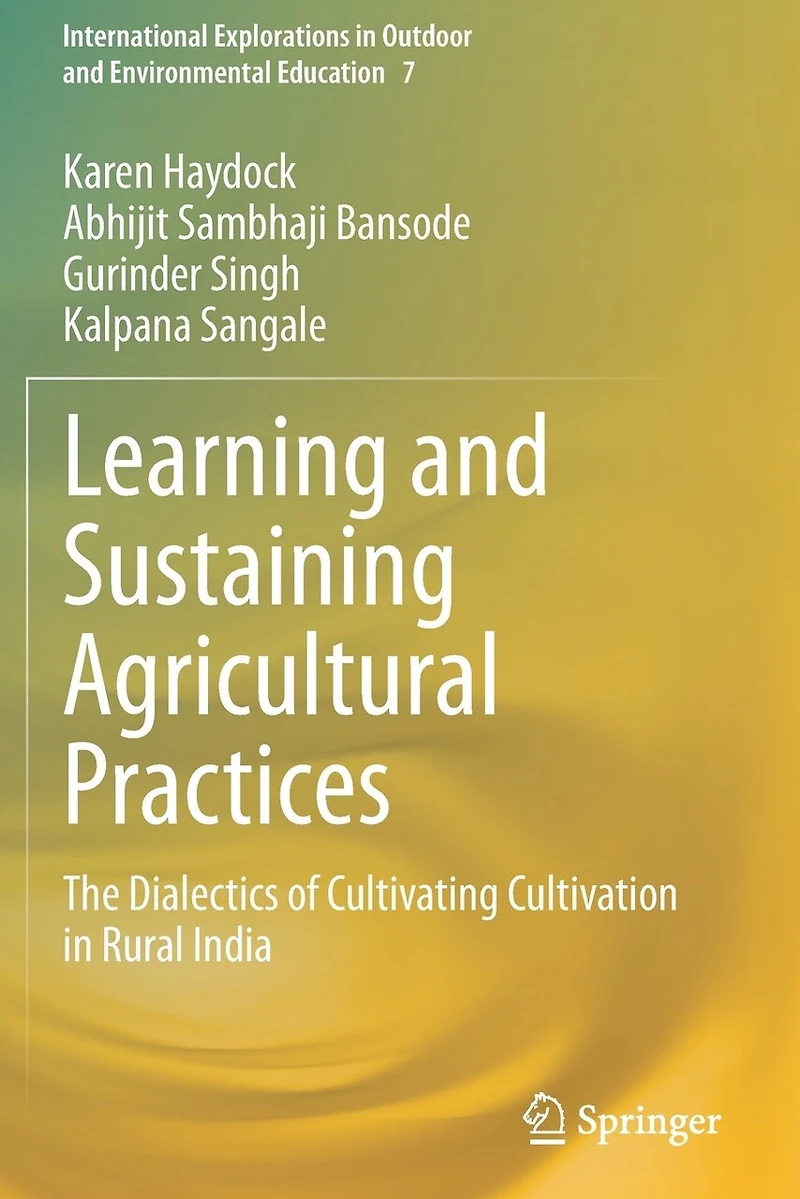
Learning and Sustaining Agricultural Practices: The Dialectics of Cultivating Cultivation in Rural India in Ottawa, ON
Current price: $160.95

Learning and Sustaining Agricultural Practices: The Dialectics of Cultivating Cultivation in Rural India in Ottawa, ON
Current price: $160.95
Loading Inventory...
Size: Paperback
*Product information may vary - to confirm product availability, pricing, shipping and return information please contact Coles
This book describes a participatory case study of a small family farm in Maharashtra, India. It is a dialectical study of cultivating cultivation: how paddy cultivation is learnt and taught, and why it is the way it is. The paddy cultivation that the family is doing at first appears to be 'traditional'. But by observation and working along with the family, the authors have found that they are engaging in a dynamic process in which they are questioning, investigating, and learning by doing. The authors compare this to the process of doing science, and to the sort of learning that occurs in formal education. The book presents evidence that paddy cultivation has always been varying and evolving through chance and necessity, experimentation, and economic contingencies. Through the example of one farm, the book provides a critique of current attempts to sustain agriculture, and an understanding of the ongoing agricultural crisis.
This book describes a participatory case study of a small family farm in Maharashtra, India. It is a dialectical study of cultivating cultivation: how paddy cultivation is learnt and taught, and why it is the way it is. The paddy cultivation that the family is doing at first appears to be 'traditional'. But by observation and working along with the family, the authors have found that they are engaging in a dynamic process in which they are questioning, investigating, and learning by doing. The authors compare this to the process of doing science, and to the sort of learning that occurs in formal education. The book presents evidence that paddy cultivation has always been varying and evolving through chance and necessity, experimentation, and economic contingencies. Through the example of one farm, the book provides a critique of current attempts to sustain agriculture, and an understanding of the ongoing agricultural crisis.
You May Also Like









More About Coles at Bayshore Shopping Centre
Coles is renowned for its outstanding customer service and great selection of books. Along with the vast array of magazines, stationary, audio-books, children's literature, fiction, non-fiction and reference books, you can find accessories to make your reading experience more pleasurable. We can recommend the very best in reading today. We will help you search our titles for exactly what you need, and if we do not have it in stock, we will order it for you.
100 Bayshore Dr, Nepean, ON K2B 8C1, Canada
Find Coles at Bayshore Shopping Centre in Ottawa, ON
Visit Coles at Bayshore Shopping Centre in Ottawa, ON