

Give the Gift of Choice!
Too many options? Treat your friends and family to their favourite stores with a Bayshore Shopping Centre gift card, redeemable at participating retailers throughout the centre. Click below to purchase yours today!Purchase HereHome
Learning to Be Adolescent: Growing Up in U.S. and Japanese Middle Schools
Coles
Loading Inventory...
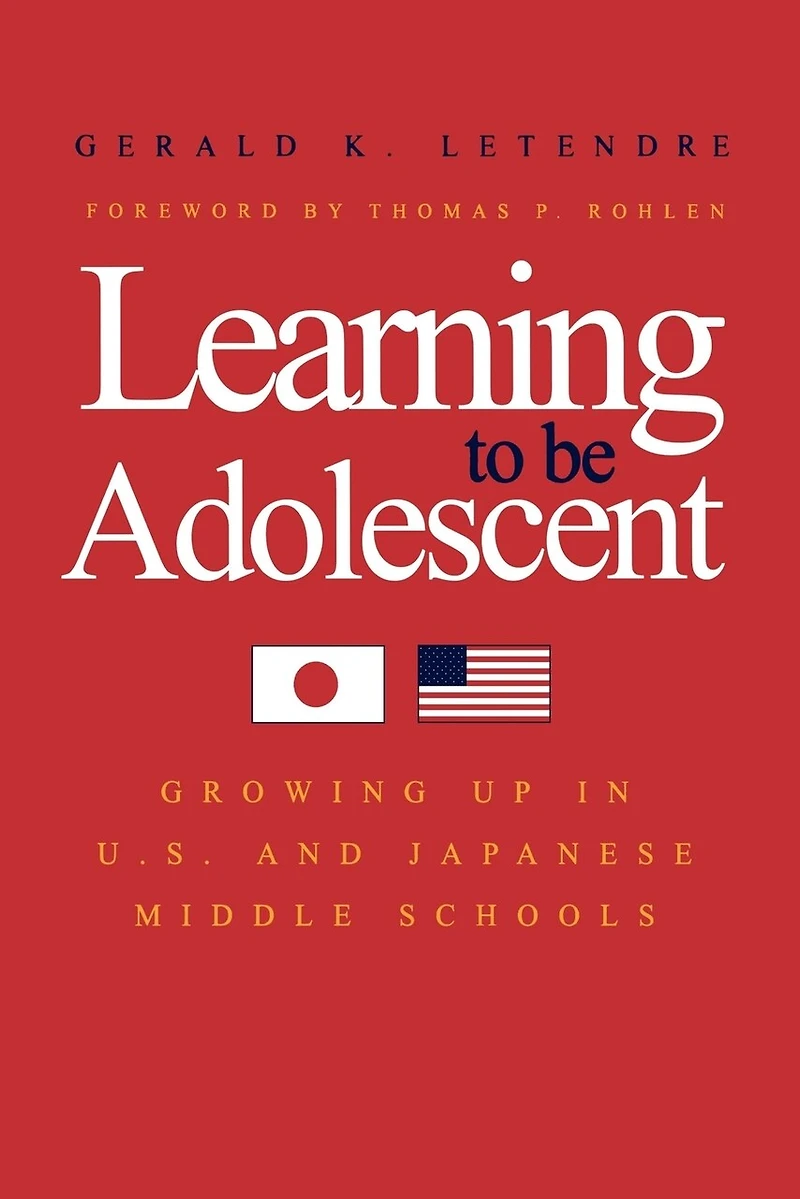
Learning to Be Adolescent: Growing Up in U.S. and Japanese Middle Schools in Ottawa, ON
Current price: $45.83

Learning to Be Adolescent: Growing Up in U.S. and Japanese Middle Schools in Ottawa, ON
Current price: $45.83
Loading Inventory...
Size: Paperback
*Product information may vary - to confirm product availability, pricing, shipping and return information please contact Coles
The organization of middle schools and the practices of middle school teachers in Japan and the United States differ dramatically, Gerald K. LeTendre demonstrates in this compelling comparative study. Based on his long-term observations in Japanese and American schools and on analyses of curricula and classroom practices, the author describes what teachers, administrators, and counselors in each country believe about adolescent development. He explores how these beliefs are put into practice and how they affect adolescent development.
In both nations, LeTendre observes, school personnel are extremely concerned with volition: the developing willpower of young adolescents. But while both Americans and Japanese believe that nurturing a young person’s ability to use his or her will is crucial, they take very different approaches to dealing with expressions of will. LeTendre also finds conflicting expectations and theories about adolescent development within each system, and he investigates how these can lead to confusion and contradictory rules.
The organization of middle schools and the practices of middle school teachers in Japan and the United States differ dramatically, Gerald K. LeTendre demonstrates in this compelling comparative study. Based on his long-term observations in Japanese and American schools and on analyses of curricula and classroom practices, the author describes what teachers, administrators, and counselors in each country believe about adolescent development. He explores how these beliefs are put into practice and how they affect adolescent development.
In both nations, LeTendre observes, school personnel are extremely concerned with volition: the developing willpower of young adolescents. But while both Americans and Japanese believe that nurturing a young person’s ability to use his or her will is crucial, they take very different approaches to dealing with expressions of will. LeTendre also finds conflicting expectations and theories about adolescent development within each system, and he investigates how these can lead to confusion and contradictory rules.
You May Also Like














More About Coles at Bayshore Shopping Centre
Coles is renowned for its outstanding customer service and great selection of books. Along with the vast array of magazines, stationary, audio-books, children's literature, fiction, non-fiction and reference books, you can find accessories to make your reading experience more pleasurable. We can recommend the very best in reading today. We will help you search our titles for exactly what you need, and if we do not have it in stock, we will order it for you.
100 Bayshore Dr, Nepean, ON K2B 8C1, Canada
Find Coles at Bayshore Shopping Centre in Ottawa, ON
Visit Coles at Bayshore Shopping Centre in Ottawa, ON