

Give the Gift of Choice!
Too many options? Treat your friends and family to their favourite stores with a Bayshore Shopping Centre gift card, redeemable at participating retailers throughout the centre. Click below to purchase yours today!Purchase HereHome
Leaving Christian Fundamentalism and the Reconstruction of Identity
Coles
Loading Inventory...
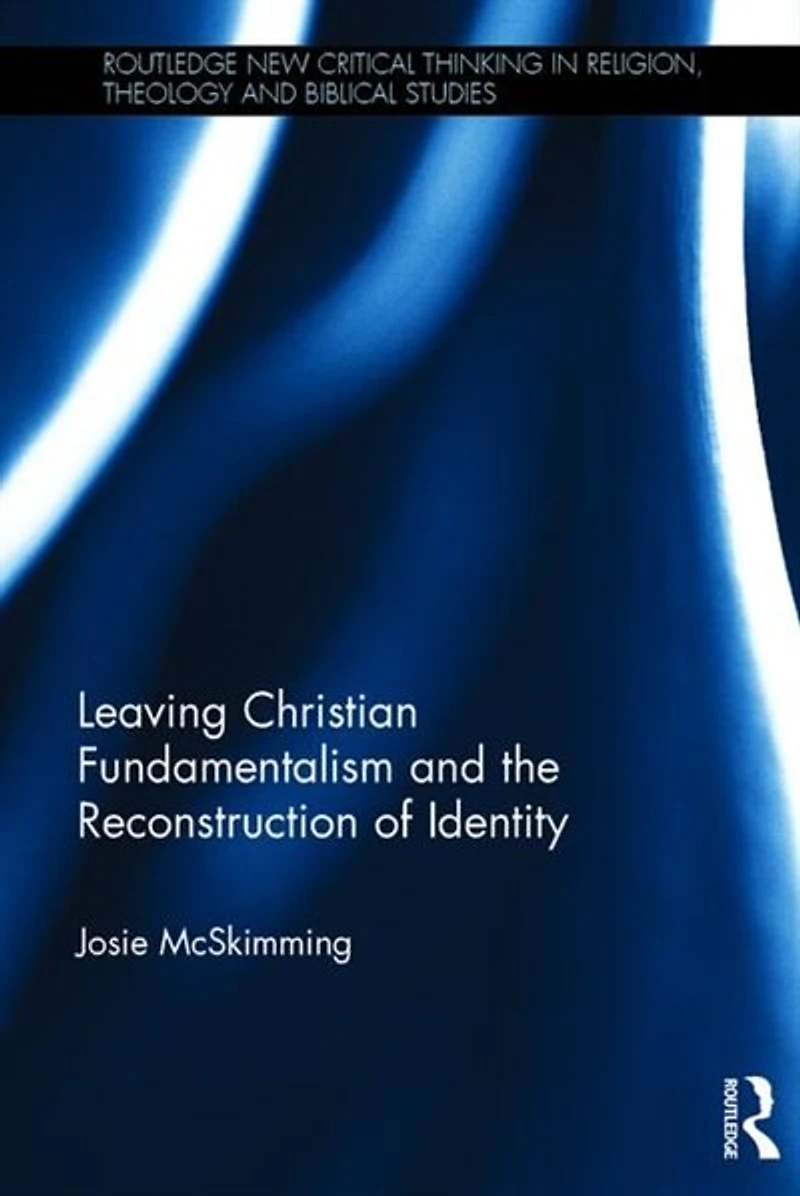
Leaving Christian Fundamentalism and the Reconstruction of Identity in Ottawa, ON
Current price: $333.50

Leaving Christian Fundamentalism and the Reconstruction of Identity in Ottawa, ON
Current price: $333.50
Loading Inventory...
Size: Hardcover
*Product information may vary - to confirm product availability, pricing, shipping and return information please contact Coles
There is an increasing interest in the influence of religious fundamentalism upon people's motivation, identity and decision-making. Leaving Christian Fundamentalism and the Re-construction of Identity details the stories of those who have left Christian fundamentalist churches and how they change after they have left. It considers how the previous fundamentalist identity is shaped by aspects of church teaching and discipline that are less authoritarian and coercive, and more subtle and widely spread throughout the church body. That is, individuals are understood as not only subject to a form of judgment, but also exercise it, with everyone seemingly complicit in maintaining the stability of the church organisation. This book provocatively illustrates that the reasons for leaving an evangelical Christian church may be less about what happens outside the church in terms of the lures and attractions of the secular world, and more about the experience within the community itself.
There is an increasing interest in the influence of religious fundamentalism upon people's motivation, identity and decision-making. Leaving Christian Fundamentalism and the Re-construction of Identity details the stories of those who have left Christian fundamentalist churches and how they change after they have left. It considers how the previous fundamentalist identity is shaped by aspects of church teaching and discipline that are less authoritarian and coercive, and more subtle and widely spread throughout the church body. That is, individuals are understood as not only subject to a form of judgment, but also exercise it, with everyone seemingly complicit in maintaining the stability of the church organisation. This book provocatively illustrates that the reasons for leaving an evangelical Christian church may be less about what happens outside the church in terms of the lures and attractions of the secular world, and more about the experience within the community itself.
You May Also Like









More About Coles at Bayshore Shopping Centre
Coles is renowned for its outstanding customer service and great selection of books. Along with the vast array of magazines, stationary, audio-books, children's literature, fiction, non-fiction and reference books, you can find accessories to make your reading experience more pleasurable. We can recommend the very best in reading today. We will help you search our titles for exactly what you need, and if we do not have it in stock, we will order it for you.
100 Bayshore Dr, Nepean, ON K2B 8C1, Canada
Find Coles at Bayshore Shopping Centre in Ottawa, ON
Visit Coles at Bayshore Shopping Centre in Ottawa, ON