

Give the Gift of Choice!
Too many options? Treat your friends and family to their favourite stores with a Bayshore Shopping Centre gift card, redeemable at participating retailers throughout the centre. Click below to purchase yours today!Purchase HereHome
Liberalism with Honor
Coles
Loading Inventory...
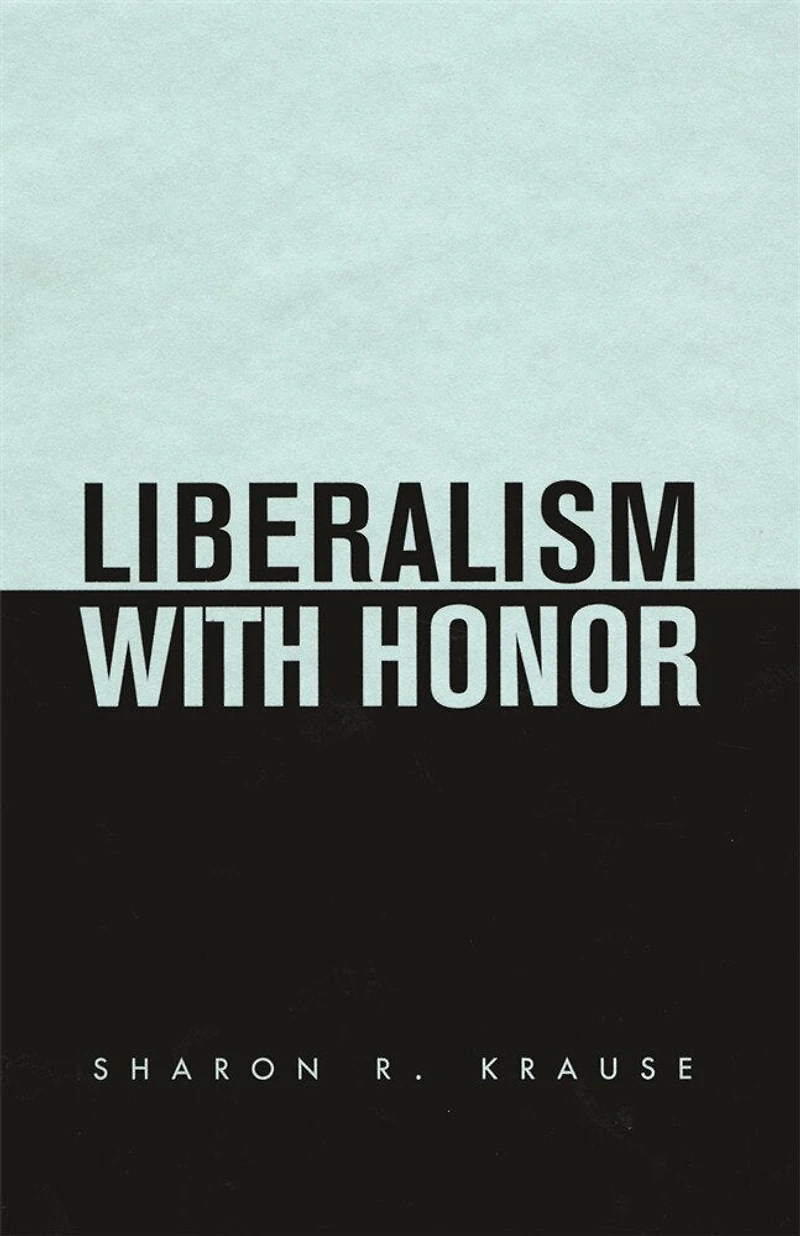
Liberalism with Honor in Ottawa, ON
Current price: $84.00

Liberalism with Honor in Ottawa, ON
Current price: $84.00
Loading Inventory...
Size: Hardcover
*Product information may vary - to confirm product availability, pricing, shipping and return information please contact Coles
Why do men and women sometimes risk everything to defend their liberties? What motivates principled opposition to the abuse of power? In Liberalism with Honor , Sharon Krause explores honor as a motive for risky and difficult forms of political action. She shows the sense of honor to be an important source of such action and a spring of individual agency more generally.
Krause traces the genealogy of honor, including its ties to conscientious objection and civil disobedience, beginning in old-regime France and culminating in the American civil rights movement. She examines the dangers intrinsic to honor and the tensions between honor and modern democracy, but demonstrates that the sense of honor has supported political agency in the United States from the founders to democratic reformers such as Elizabeth Cady Stanton and Martin Luther King, Jr.
Honor continues to hold interest and importance today because it combines self-concern and personal ambition with principled higher purposes, and so challenges the disabling dichotomy between self-interest and self-sacrifice that currently pervades both political theory and American public life.
Why do men and women sometimes risk everything to defend their liberties? What motivates principled opposition to the abuse of power? In Liberalism with Honor , Sharon Krause explores honor as a motive for risky and difficult forms of political action. She shows the sense of honor to be an important source of such action and a spring of individual agency more generally.
Krause traces the genealogy of honor, including its ties to conscientious objection and civil disobedience, beginning in old-regime France and culminating in the American civil rights movement. She examines the dangers intrinsic to honor and the tensions between honor and modern democracy, but demonstrates that the sense of honor has supported political agency in the United States from the founders to democratic reformers such as Elizabeth Cady Stanton and Martin Luther King, Jr.
Honor continues to hold interest and importance today because it combines self-concern and personal ambition with principled higher purposes, and so challenges the disabling dichotomy between self-interest and self-sacrifice that currently pervades both political theory and American public life.
You May Also Like















More About Coles at Bayshore Shopping Centre
Coles is renowned for its outstanding customer service and great selection of books. Along with the vast array of magazines, stationary, audio-books, children's literature, fiction, non-fiction and reference books, you can find accessories to make your reading experience more pleasurable. We can recommend the very best in reading today. We will help you search our titles for exactly what you need, and if we do not have it in stock, we will order it for you.
100 Bayshore Dr, Nepean, ON K2B 8C1, Canada
Find Coles at Bayshore Shopping Centre in Ottawa, ON
Visit Coles at Bayshore Shopping Centre in Ottawa, ON