

Give the Gift of Choice!
Too many options? Treat your friends and family to their favourite stores with a Bayshore Shopping Centre gift card, redeemable at participating retailers throughout the centre. Click below to purchase yours today!Purchase HereHome
Life at Four Corners: Religion, Gender, and Education in a GermanLutheran Community, 18681945
Coles
Loading Inventory...
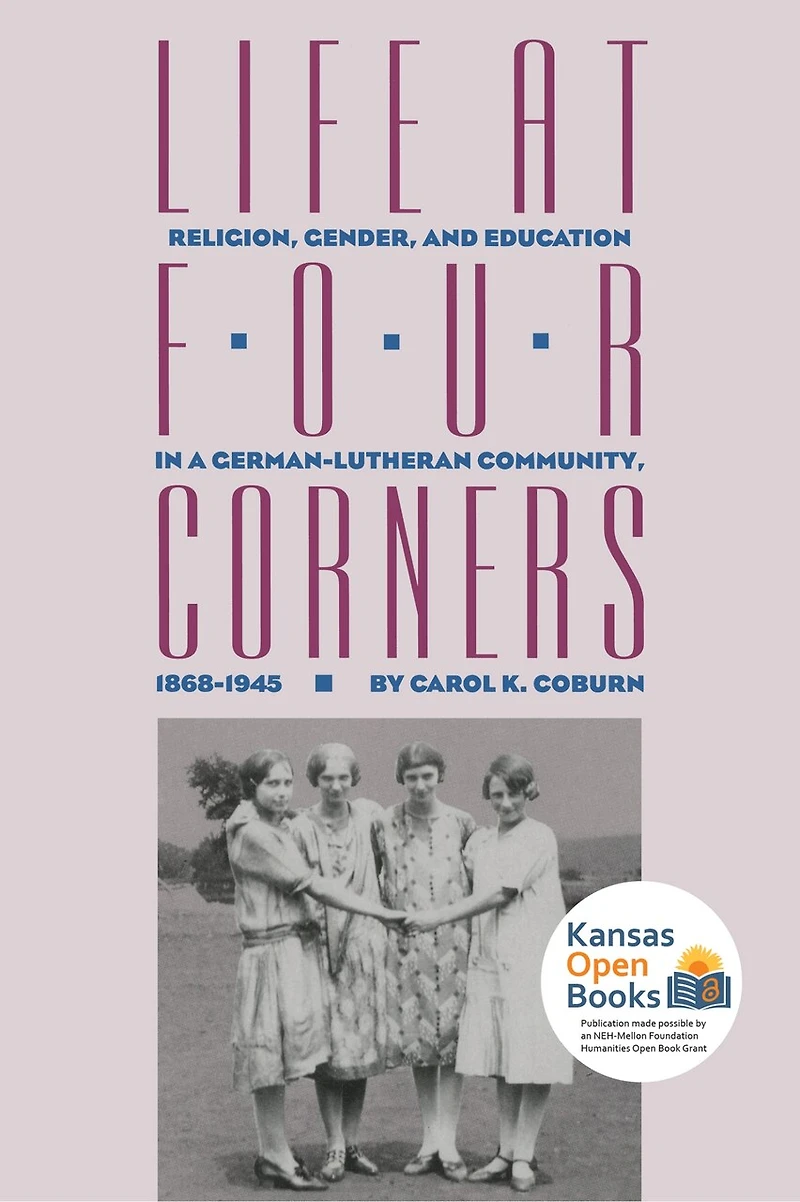
Life at Four Corners: Religion, Gender, and Education in a GermanLutheran Community, 18681945 in Ottawa, ON
Current price: $40.95

Life at Four Corners: Religion, Gender, and Education in a GermanLutheran Community, 18681945 in Ottawa, ON
Current price: $40.95
Loading Inventory...
Size: Paperback
*Product information may vary - to confirm product availability, pricing, shipping and return information please contact Coles
Defined less by geography than by demographic character, Block, Kansas, in many ways exemplifies the prevalent yet seldomscrutinized ethnic, religionbased community of the rural midwest.
Physically small, the town sprang up around four corners formed by crossroads. Spiritually strong and cohesive, it became the educational and cultural center for generations of GermanLutheran families.
Block provided a religious and cultural oasisa welcome transition for GermanLutheran immigrants faced with a new language and unfamiliar customs. Yet the tight bond between an ethnic society and a religion that shunned Americanism and the English language paradoxically slowed the transition and maintained a culturally isolated community well into the twentieth century.
In Life at Four Corners , Carol Coburn analyzes the powerful combination of those ethnic and religious institutions that effectively resisted assimilation for nearly 80 years only to succumb to the influences of the outside world during the 1930s and 1940s. Emphasizing the formal and informal education provided by the church, school, and family, she examines the total process of how values, identities, and all aspects of culture were transmitted from generation to generation.
Defined less by geography than by demographic character, Block, Kansas, in many ways exemplifies the prevalent yet seldomscrutinized ethnic, religionbased community of the rural midwest.
Physically small, the town sprang up around four corners formed by crossroads. Spiritually strong and cohesive, it became the educational and cultural center for generations of GermanLutheran families.
Block provided a religious and cultural oasisa welcome transition for GermanLutheran immigrants faced with a new language and unfamiliar customs. Yet the tight bond between an ethnic society and a religion that shunned Americanism and the English language paradoxically slowed the transition and maintained a culturally isolated community well into the twentieth century.
In Life at Four Corners , Carol Coburn analyzes the powerful combination of those ethnic and religious institutions that effectively resisted assimilation for nearly 80 years only to succumb to the influences of the outside world during the 1930s and 1940s. Emphasizing the formal and informal education provided by the church, school, and family, she examines the total process of how values, identities, and all aspects of culture were transmitted from generation to generation.
You May Also Like















More About Coles at Bayshore Shopping Centre
Coles is renowned for its outstanding customer service and great selection of books. Along with the vast array of magazines, stationary, audio-books, children's literature, fiction, non-fiction and reference books, you can find accessories to make your reading experience more pleasurable. We can recommend the very best in reading today. We will help you search our titles for exactly what you need, and if we do not have it in stock, we will order it for you.
100 Bayshore Dr, Nepean, ON K2B 8C1, Canada
Find Coles at Bayshore Shopping Centre in Ottawa, ON
Visit Coles at Bayshore Shopping Centre in Ottawa, ON