

Give the Gift of Choice!
Too many options? Treat your friends and family to their favourite stores with a Bayshore Shopping Centre gift card, redeemable at participating retailers throughout the centre. Click below to purchase yours today!Purchase HereHome
Life on the Edge of the DMZ
Coles
Loading Inventory...
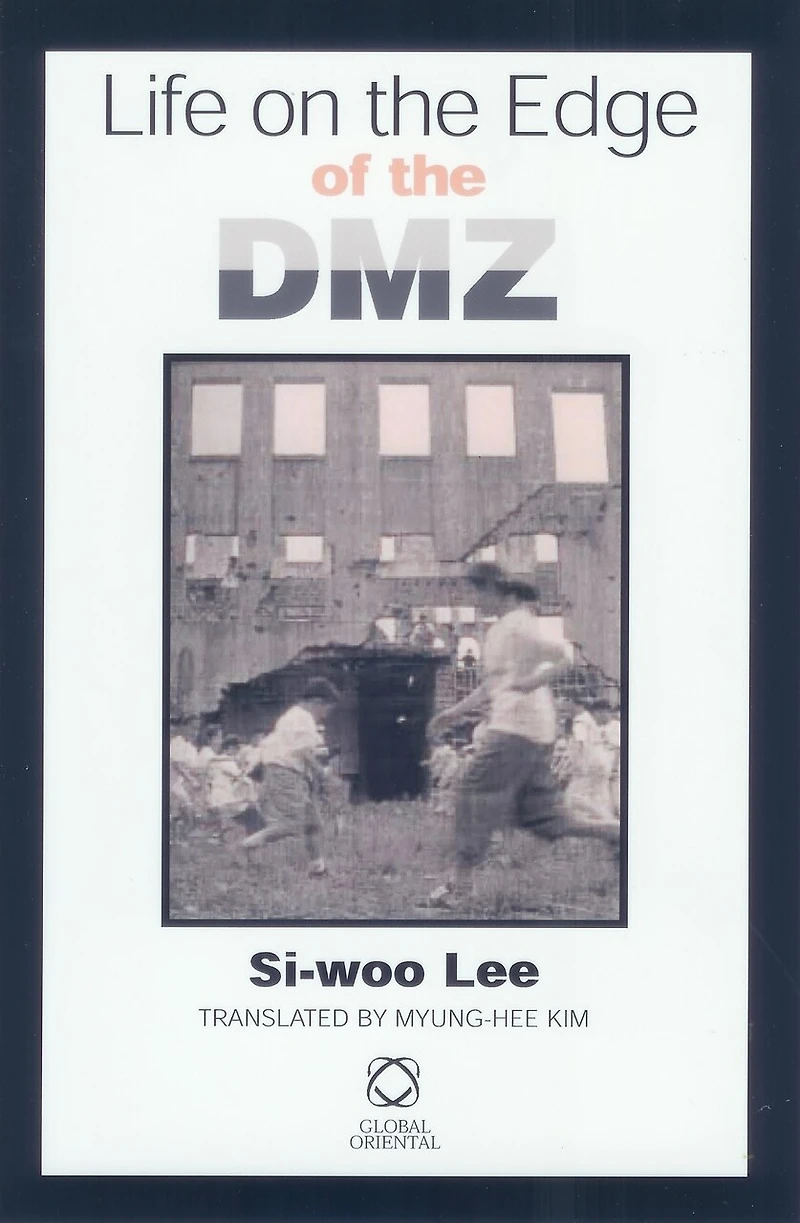
Life on the Edge of the DMZ in Ottawa, ON
Current price: $175.99

Life on the Edge of the DMZ in Ottawa, ON
Current price: $175.99
Loading Inventory...
Size: Hardcover
*Product information may vary - to confirm product availability, pricing, shipping and return information please contact Coles
The author’s now celebrated quest, through narrative and photography, to capture today’s built and natural environment and way of life along the Min Tong Line (Demilitarized Zone – DMZ) separating the two Koreas, is both a stunning literary and photographic achievement. Supported by 150 colour photographs, the book by one of Korea’s renowned photographers who is also a well-known peace activist, takes the reader from Chulwon in the east to Kosung in the west, interweaving profoundly felt philosophical reflections on a wide variety of political, social and other issues, with detailed observations about the places he visits, including their myths and legends. The sense of yearning for the reunification of his divided country pervades the text. Life on the Edge of the DMZ provides the Western reader with a rare and dynamic connection to an often forgotten aspect of life, albeit ‘behind the scenes’, in contemporary Korea, and will have wide relevance at many levels in the study of modern Korea.
The author’s now celebrated quest, through narrative and photography, to capture today’s built and natural environment and way of life along the Min Tong Line (Demilitarized Zone – DMZ) separating the two Koreas, is both a stunning literary and photographic achievement. Supported by 150 colour photographs, the book by one of Korea’s renowned photographers who is also a well-known peace activist, takes the reader from Chulwon in the east to Kosung in the west, interweaving profoundly felt philosophical reflections on a wide variety of political, social and other issues, with detailed observations about the places he visits, including their myths and legends. The sense of yearning for the reunification of his divided country pervades the text. Life on the Edge of the DMZ provides the Western reader with a rare and dynamic connection to an often forgotten aspect of life, albeit ‘behind the scenes’, in contemporary Korea, and will have wide relevance at many levels in the study of modern Korea.
You May Also Like









More About Coles at Bayshore Shopping Centre
Coles is renowned for its outstanding customer service and great selection of books. Along with the vast array of magazines, stationary, audio-books, children's literature, fiction, non-fiction and reference books, you can find accessories to make your reading experience more pleasurable. We can recommend the very best in reading today. We will help you search our titles for exactly what you need, and if we do not have it in stock, we will order it for you.
100 Bayshore Dr, Nepean, ON K2B 8C1, Canada
Find Coles at Bayshore Shopping Centre in Ottawa, ON
Visit Coles at Bayshore Shopping Centre in Ottawa, ON