

Give the Gift of Choice!
Too many options? Treat your friends and family to their favourite stores with a Bayshore Shopping Centre gift card, redeemable at participating retailers throughout the centre. Click below to purchase yours today!Purchase HereHome
LIKE THE SUN FROM MORNING CLOUDS (IKORO)
Coles
Loading Inventory...
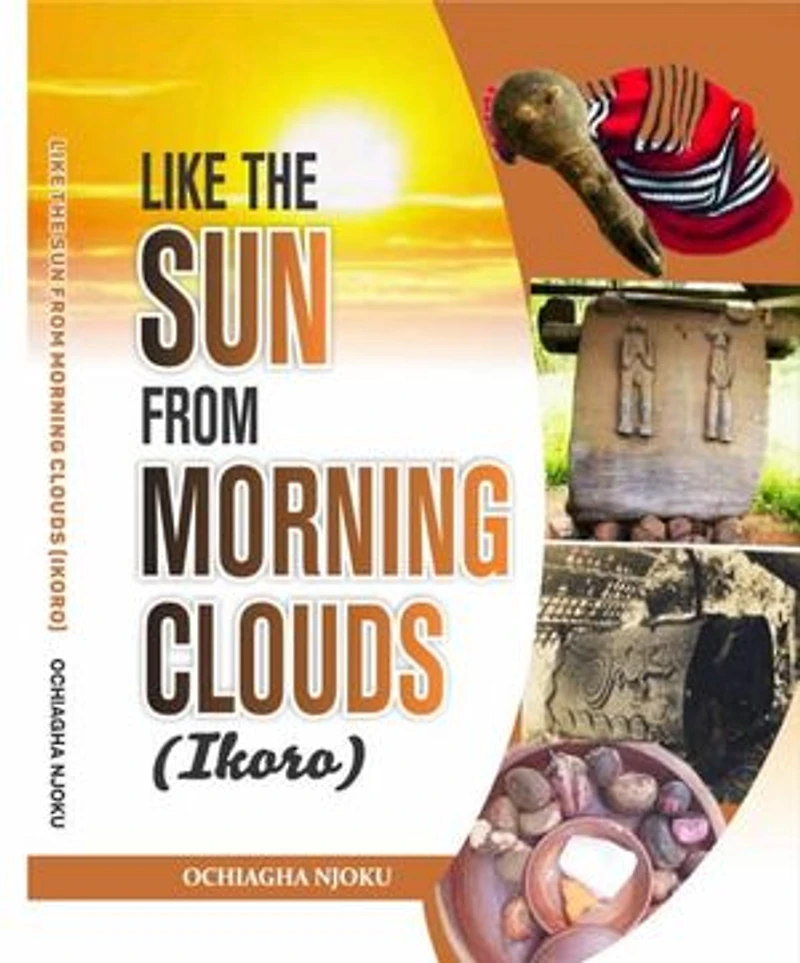
LIKE THE SUN FROM MORNING CLOUDS (IKORO) in Ottawa, ON
Current price: $20.36

LIKE THE SUN FROM MORNING CLOUDS (IKORO) in Ottawa, ON
Current price: $20.36
Loading Inventory...
Size: Kobo eBook
*Product information may vary - to confirm product availability, pricing, shipping and return information please contact Coles
About the Book
Like the Sun from Morning Clouds (Ikoro) is a deeply evocative novel by Ochiagha Njoku that captures the journey of a young Igbo boy, Iruka, as he navigates adolescence, tradition, and the moral complexity of his world. Set in rural southeastern Nigeria, the novel unfolds through the richly detailed internal monologue of Iruka, whose voice blends innocence with wisdom beyond his years. From the very first chapter, readers are immersed in the rhythm of village life, spiritual beliefs, and the physical environment of Umuehii. The story begins with Iruka waking up on a gloomy morning, pulled out of a vivid dream by a mysterious knock on his door. He hesitates to answer, recalling his father’s warnings about spirits mimicking human voices. His cautious response sets the tone for a narrative grounded in the intersection of belief, fear, and youthful curiosity. Eventually, Iruka sets out to fetch water with his friend Ogonna, a sharp-tongued, intelligent girl who shares his birthday. Their early morning journey to the stream introduces us to other central characters, such as Asika and Mbari, and becomes a symbolic path of discovery. The narrative quickly evolves from a simple water-fetching errand to a deeply cultural and philosophical adventure. The stream, and the events that unfold around it, become a mirror through which the young characters explore gender roles, spirituality, and societal taboos.
Njoku’s storytelling is rich with Igbo proverbs, oral traditions, and references to ancestral worship, all of which are vividly brought to life through Iruka’s memories and Papa’s teachings. Papa, a revered ozo and community elder, instils in Iruka a deep understanding of justice, tradition, and the sacredness of the ikoro drum, a carved wooden instrument that symbolizes truth, order, and ancestral voice. Through flashbacks, the novel reveals how Iruka was exiled to a hut due to his childhood bedwetting, an experience that ironically marks his transition into manhood and privacy. This theme of growth, both physical and spiritual, is central to the novel. As Iruka and his friends fetch water, they encounter a set of eggs possibly left as a sacrifice to the water goddess. Ogonna’s decision to touch the eggs ignites a debate about tradition, superstition, and Christianity. The characters argue about the meaning and consequences of touching sacred offerings, revealing how deeply cultural beliefs remain embedded even among the educated and church-going youth. Asika warns Ogonna about becoming osu or ume, castes marked by spiritual associations and social ostracisation. Iruka, channelling his father’s knowledge, narrates the origins of these castes and their implications in Igbo society.
The novel doesn’t shy away from confronting hard truths. It highlights the way caste systems, although unwritten, influence relationships and identity. Through discussions on osu, ume, and diala, Njoku educates readers on how tradition and fear dictate behavior. The narrative is not limited to cultural exposition; it weaves in humour, teenage awkwardness, and the silent crushes that exist between Iruka and Ogonna. Even in the midst of philosophical discussions, there’s a light-heartedness in the group’s teasing, rivalries, and shared histories. Iruka's desire to be acknowledged as a man is challenged not only by Mbari’s mockery but by his own inner doubts. Yet, as the story progresses, we see him maturing in his thinking, speech, and self-awareness. At home, Iruka quietly contemplates how his mother, siblings, and even his father now treat him with a subtle respect that wasn’t there before. The family dynamic is nuanced – Mama is educated, wise, and spiritually devout, while Papa is steeped in the traditions of their ancestors.
The generational divide between Christianity and traditional belief systems becomes a recurring theme. The novel cleverly presents both sides without demonising either. Through Iruka’s eyes, we see a world in transition – a community trying to balance faith and culture, modern schooling and ancestral wisdom. When Iruka is sent on an errand to deliver a shopping list to Asika’s mother, another set of social norms unfolds. Because of his father’s title, Iruka cannot step into the market on sacred days, and must wait at the outskirts while Asika helps him complete the errand. This seemingly small moment underlines how deeply traditional codes regulate behaviour. The harmattan season, the sacred market days, the language of Nsibidi, and the invocation of deities, all enrich the storytelling and root it firmly in Igbo cosmology. Even household chores like chopping wood become rites of passage, symbolic of Iruka’s evolving identity. When he quickly completes his task and is praised by his sister, we see a young man gradually earning the respect of those around him.
Njoku’s prose is both lyrical and deliberate, painting vivid scenes while embedding spiritual questions about identity, destiny, and justice. As Iruka and Asika race back home to witness the Aladimma council trial, the anticipation builds not just around the case itself, but around the values and beliefs the gathering will reinforce. Aladimma, the sacred justice system, becomes the ultimate symbol of community morality and ancestral governance. Meanwhile, Iruka remains the observer, learner, and interpreter of all that happens around him. Throughout the novel, his thoughts reflect the silent struggles of youth caught between inherited traditions and contemporary aspirations. The ikoro drum, referenced in the title and sounded toward the end of the story, becomes a symbol of divine justice and ancestral presence, resounding at moments of truth and social reckoning.
Ultimately, Like the Sun from Morning Clouds (Ikoro) is more than a story about a boy coming of age. It is a poetic, philosophical, and cultural exploration of identity in a traditional African society. It blends fiction with ethnography, theology with folklore, and modernity with oral wisdom. Njoku uses Iruka’s personal story to capture the broader tension between continuity and change, authority and rebellion, belonging and alienation. Every element in the novel – from the market rituals to the dreams, the egg offering to the caste debates – serves to deepen our understanding of a people’s way of life. The result is a compelling and powerful narrative that is both intimate and expansive, a story that speaks of roots, reverence, and the enduring drumbeat of ancestral memory. Like the Sun from Morning Clouds (Ikoro) is not just a novel; it is a cultural mirror, a spiritual chronicle, and a literary gift to Nigerian literature.
About the Book
Like the Sun from Morning Clouds (Ikoro) is a deeply evocative novel by Ochiagha Njoku that captures the journey of a young Igbo boy, Iruka, as he navigates adolescence, tradition, and the moral complexity of his world. Set in rural southeastern Nigeria, the novel unfolds through the richly detailed internal monologue of Iruka, whose voice blends innocence with wisdom beyond his years. From the very first chapter, readers are immersed in the rhythm of village life, spiritual beliefs, and the physical environment of Umuehii. The story begins with Iruka waking up on a gloomy morning, pulled out of a vivid dream by a mysterious knock on his door. He hesitates to answer, recalling his father’s warnings about spirits mimicking human voices. His cautious response sets the tone for a narrative grounded in the intersection of belief, fear, and youthful curiosity. Eventually, Iruka sets out to fetch water with his friend Ogonna, a sharp-tongued, intelligent girl who shares his birthday. Their early morning journey to the stream introduces us to other central characters, such as Asika and Mbari, and becomes a symbolic path of discovery. The narrative quickly evolves from a simple water-fetching errand to a deeply cultural and philosophical adventure. The stream, and the events that unfold around it, become a mirror through which the young characters explore gender roles, spirituality, and societal taboos.
Njoku’s storytelling is rich with Igbo proverbs, oral traditions, and references to ancestral worship, all of which are vividly brought to life through Iruka’s memories and Papa’s teachings. Papa, a revered ozo and community elder, instils in Iruka a deep understanding of justice, tradition, and the sacredness of the ikoro drum, a carved wooden instrument that symbolizes truth, order, and ancestral voice. Through flashbacks, the novel reveals how Iruka was exiled to a hut due to his childhood bedwetting, an experience that ironically marks his transition into manhood and privacy. This theme of growth, both physical and spiritual, is central to the novel. As Iruka and his friends fetch water, they encounter a set of eggs possibly left as a sacrifice to the water goddess. Ogonna’s decision to touch the eggs ignites a debate about tradition, superstition, and Christianity. The characters argue about the meaning and consequences of touching sacred offerings, revealing how deeply cultural beliefs remain embedded even among the educated and church-going youth. Asika warns Ogonna about becoming osu or ume, castes marked by spiritual associations and social ostracisation. Iruka, channelling his father’s knowledge, narrates the origins of these castes and their implications in Igbo society.
The novel doesn’t shy away from confronting hard truths. It highlights the way caste systems, although unwritten, influence relationships and identity. Through discussions on osu, ume, and diala, Njoku educates readers on how tradition and fear dictate behavior. The narrative is not limited to cultural exposition; it weaves in humour, teenage awkwardness, and the silent crushes that exist between Iruka and Ogonna. Even in the midst of philosophical discussions, there’s a light-heartedness in the group’s teasing, rivalries, and shared histories. Iruka's desire to be acknowledged as a man is challenged not only by Mbari’s mockery but by his own inner doubts. Yet, as the story progresses, we see him maturing in his thinking, speech, and self-awareness. At home, Iruka quietly contemplates how his mother, siblings, and even his father now treat him with a subtle respect that wasn’t there before. The family dynamic is nuanced – Mama is educated, wise, and spiritually devout, while Papa is steeped in the traditions of their ancestors.
The generational divide between Christianity and traditional belief systems becomes a recurring theme. The novel cleverly presents both sides without demonising either. Through Iruka’s eyes, we see a world in transition – a community trying to balance faith and culture, modern schooling and ancestral wisdom. When Iruka is sent on an errand to deliver a shopping list to Asika’s mother, another set of social norms unfolds. Because of his father’s title, Iruka cannot step into the market on sacred days, and must wait at the outskirts while Asika helps him complete the errand. This seemingly small moment underlines how deeply traditional codes regulate behaviour. The harmattan season, the sacred market days, the language of Nsibidi, and the invocation of deities, all enrich the storytelling and root it firmly in Igbo cosmology. Even household chores like chopping wood become rites of passage, symbolic of Iruka’s evolving identity. When he quickly completes his task and is praised by his sister, we see a young man gradually earning the respect of those around him.
Njoku’s prose is both lyrical and deliberate, painting vivid scenes while embedding spiritual questions about identity, destiny, and justice. As Iruka and Asika race back home to witness the Aladimma council trial, the anticipation builds not just around the case itself, but around the values and beliefs the gathering will reinforce. Aladimma, the sacred justice system, becomes the ultimate symbol of community morality and ancestral governance. Meanwhile, Iruka remains the observer, learner, and interpreter of all that happens around him. Throughout the novel, his thoughts reflect the silent struggles of youth caught between inherited traditions and contemporary aspirations. The ikoro drum, referenced in the title and sounded toward the end of the story, becomes a symbol of divine justice and ancestral presence, resounding at moments of truth and social reckoning.
Ultimately, Like the Sun from Morning Clouds (Ikoro) is more than a story about a boy coming of age. It is a poetic, philosophical, and cultural exploration of identity in a traditional African society. It blends fiction with ethnography, theology with folklore, and modernity with oral wisdom. Njoku uses Iruka’s personal story to capture the broader tension between continuity and change, authority and rebellion, belonging and alienation. Every element in the novel – from the market rituals to the dreams, the egg offering to the caste debates – serves to deepen our understanding of a people’s way of life. The result is a compelling and powerful narrative that is both intimate and expansive, a story that speaks of roots, reverence, and the enduring drumbeat of ancestral memory. Like the Sun from Morning Clouds (Ikoro) is not just a novel; it is a cultural mirror, a spiritual chronicle, and a literary gift to Nigerian literature.
You May Also Like
















More About Coles at Bayshore Shopping Centre
Coles is renowned for its outstanding customer service and great selection of books. Along with the vast array of magazines, stationary, audio-books, children's literature, fiction, non-fiction and reference books, you can find accessories to make your reading experience more pleasurable. We can recommend the very best in reading today. We will help you search our titles for exactly what you need, and if we do not have it in stock, we will order it for you.
100 Bayshore Dr, Nepean, ON K2B 8C1, Canada
Find Coles at Bayshore Shopping Centre in Ottawa, ON
Visit Coles at Bayshore Shopping Centre in Ottawa, ON