

Give the Gift of Choice!
Too many options? Treat your friends and family to their favourite stores with a Bayshore Shopping Centre gift card, redeemable at participating retailers throughout the centre. Click below to purchase yours today!Purchase HereHome
Limerosity: An Anapestic Journey through Western Literature
Coles
Loading Inventory...
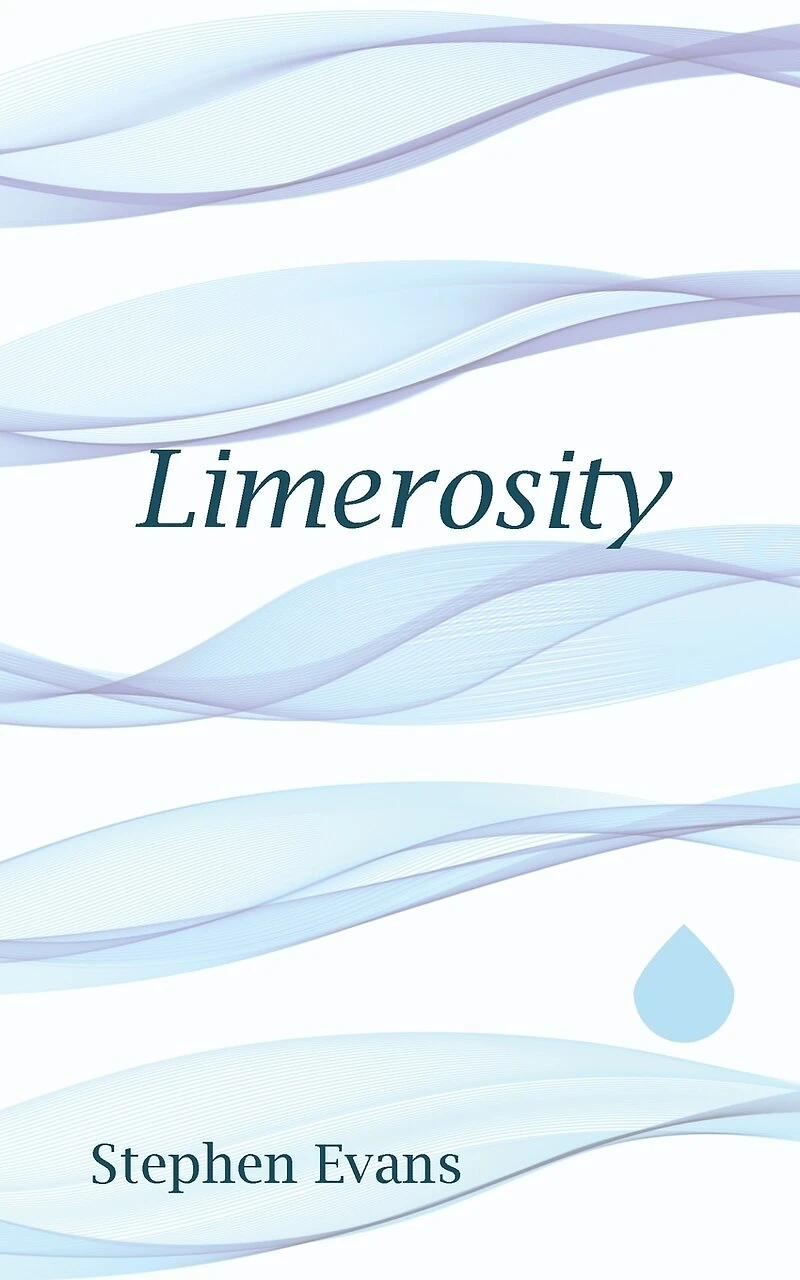
Limerosity: An Anapestic Journey through Western Literature in Ottawa, ON
Current price: $14.99

Limerosity: An Anapestic Journey through Western Literature in Ottawa, ON
Current price: $14.99
Loading Inventory...
Size: Paperback
*Product information may vary - to confirm product availability, pricing, shipping and return information please contact Coles
Limerosity is an anapestic journey, a collection of limericks inspired by well-known figures in the (mostly) western literary canon.
From the Author:
A limerick is a verse form-five lines of generally iambic or anapestic verse, with a rhyme scheme of AABBA. The origin of the limerick is a bit of a mystery, though it may be fairly recent as verse forms go. The form seems to have crystallized with Edward Lear and W. S. Gilbert in the Nineteenth century.
I have modified the standard form a bit, eliminating punctuation and right justifying the lines. I think of the limerick as a verse form, not a poem. Verse has a beginning and an ending, and leads the reader to a conclusion. A poem does not.
Limericks, and this may be one of the secrets to their popularity over the years, are a perfect expression of comic construction. So, as you read these limericks, possibly you may discover some literary intention. But mostly I hope you uncover a few smiles.
Limerosity is an anapestic journey, a collection of limericks inspired by well-known figures in the (mostly) western literary canon.
From the Author:
A limerick is a verse form-five lines of generally iambic or anapestic verse, with a rhyme scheme of AABBA. The origin of the limerick is a bit of a mystery, though it may be fairly recent as verse forms go. The form seems to have crystallized with Edward Lear and W. S. Gilbert in the Nineteenth century.
I have modified the standard form a bit, eliminating punctuation and right justifying the lines. I think of the limerick as a verse form, not a poem. Verse has a beginning and an ending, and leads the reader to a conclusion. A poem does not.
Limericks, and this may be one of the secrets to their popularity over the years, are a perfect expression of comic construction. So, as you read these limericks, possibly you may discover some literary intention. But mostly I hope you uncover a few smiles.
You May Also Like









More About Coles at Bayshore Shopping Centre
Coles is renowned for its outstanding customer service and great selection of books. Along with the vast array of magazines, stationary, audio-books, children's literature, fiction, non-fiction and reference books, you can find accessories to make your reading experience more pleasurable. We can recommend the very best in reading today. We will help you search our titles for exactly what you need, and if we do not have it in stock, we will order it for you.
100 Bayshore Dr, Nepean, ON K2B 8C1, Canada
Find Coles at Bayshore Shopping Centre in Ottawa, ON
Visit Coles at Bayshore Shopping Centre in Ottawa, ON