

Give the Gift of Choice!
Too many options? Treat your friends and family to their favourite stores with a Bayshore Shopping Centre gift card, redeemable at participating retailers throughout the centre. Click below to purchase yours today!Purchase HereHome
Lincoln and The Power of Press Lib/E: War for Public Opinion
Coles
Loading Inventory...
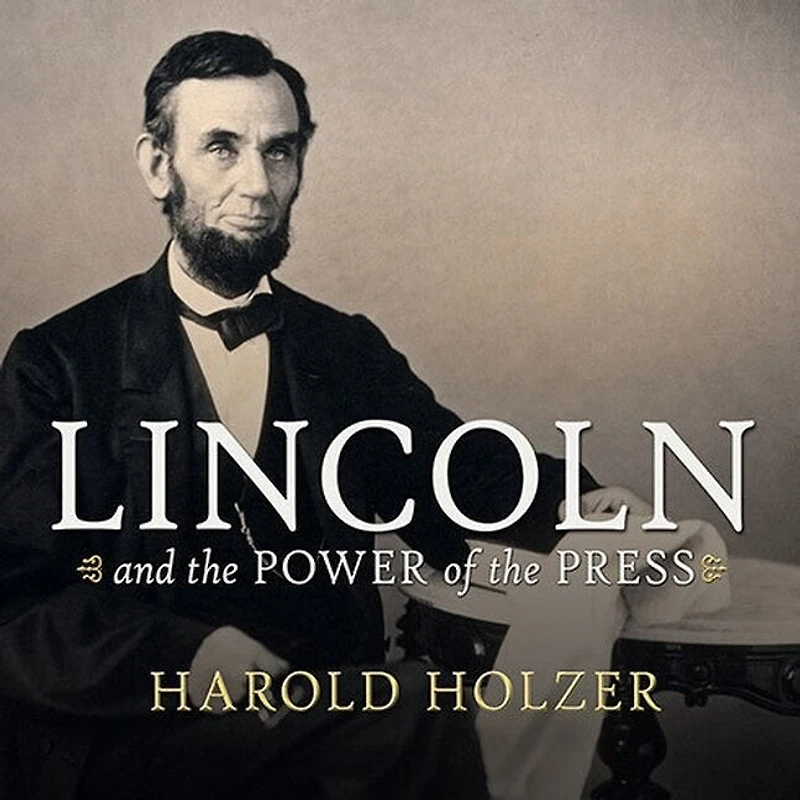
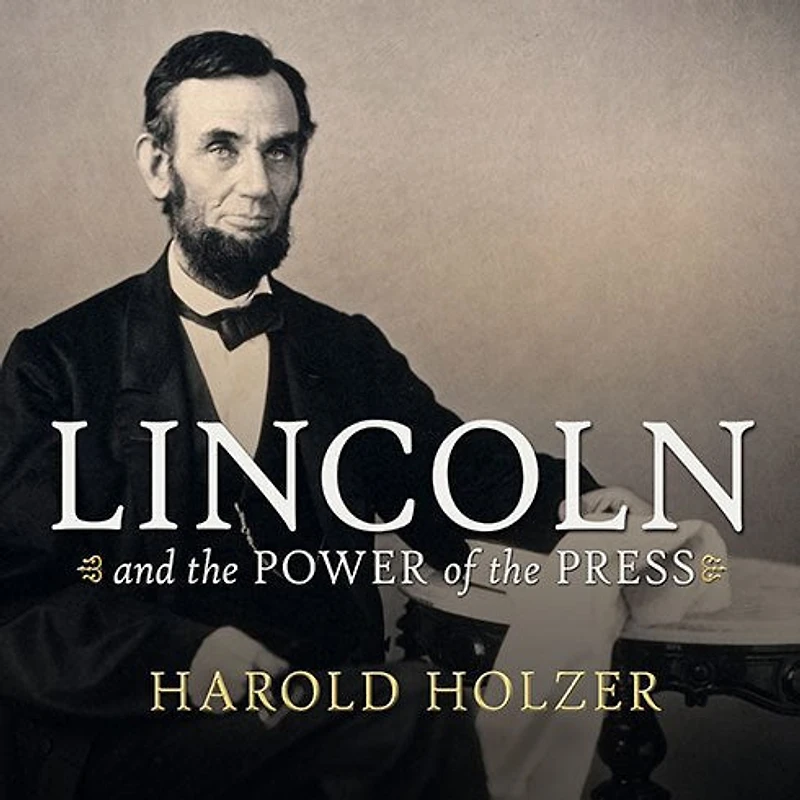
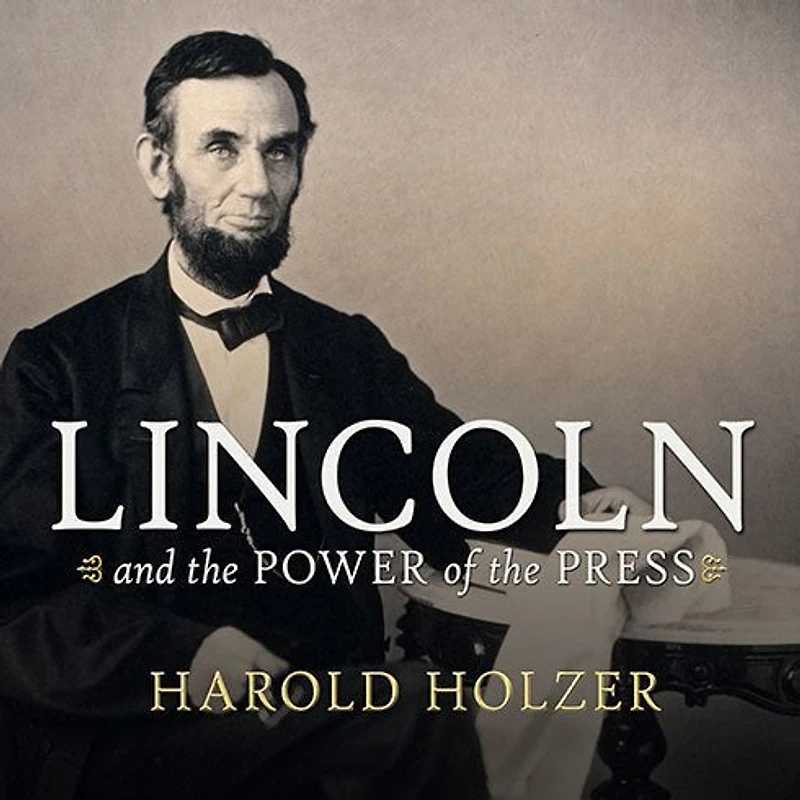
Lincoln and The Power of Press Lib/E: War for Public Opinion in Ottawa, ON
Current price: $71.99

Lincoln and The Power of Press Lib/E: War for Public Opinion in Ottawa, ON
Current price: $71.99
Loading Inventory...
Size: Audiobook (2014 A)
*Product information may vary - to confirm product availability, pricing, shipping and return information please contact Coles
From his earliest days, Abraham Lincoln devoured newspapers. As he started out in politics, he wrote editorials and letters to argue his case. He spoke to the public directly through the press. He even bought a German-language newspaper to appeal to that growing electorate in his state. When war broke out and the nation was tearing itself apart, Lincoln authorized the most widespread censorship in the nation's history, closing down newspapers that were disloyal and even jailing or exiling editors who opposed enlistment or sympathized with secession. In Lincoln and the Power of the Press , Harold Holzer shows us an activist Lincoln through journalists who covered him from his start to the night of his assassination. In a wholly original way, Holzer shows us politicized newspaper editors battling for power and a masterly president who used the press to speak directly to the people and shape the nation.
From his earliest days, Abraham Lincoln devoured newspapers. As he started out in politics, he wrote editorials and letters to argue his case. He spoke to the public directly through the press. He even bought a German-language newspaper to appeal to that growing electorate in his state. When war broke out and the nation was tearing itself apart, Lincoln authorized the most widespread censorship in the nation's history, closing down newspapers that were disloyal and even jailing or exiling editors who opposed enlistment or sympathized with secession. In Lincoln and the Power of the Press , Harold Holzer shows us an activist Lincoln through journalists who covered him from his start to the night of his assassination. In a wholly original way, Holzer shows us politicized newspaper editors battling for power and a masterly president who used the press to speak directly to the people and shape the nation.
You May Also Like







More About Coles at Bayshore Shopping Centre
Coles is renowned for its outstanding customer service and great selection of books. Along with the vast array of magazines, stationary, audio-books, children's literature, fiction, non-fiction and reference books, you can find accessories to make your reading experience more pleasurable. We can recommend the very best in reading today. We will help you search our titles for exactly what you need, and if we do not have it in stock, we will order it for you.
100 Bayshore Dr, Nepean, ON K2B 8C1, Canada
Find Coles at Bayshore Shopping Centre in Ottawa, ON
Visit Coles at Bayshore Shopping Centre in Ottawa, ON