

Give the Gift of Choice!
Too many options? Treat your friends and family to their favourite stores with a Bayshore Shopping Centre gift card, redeemable at participating retailers throughout the centre. Click below to purchase yours today!Purchase HereHome
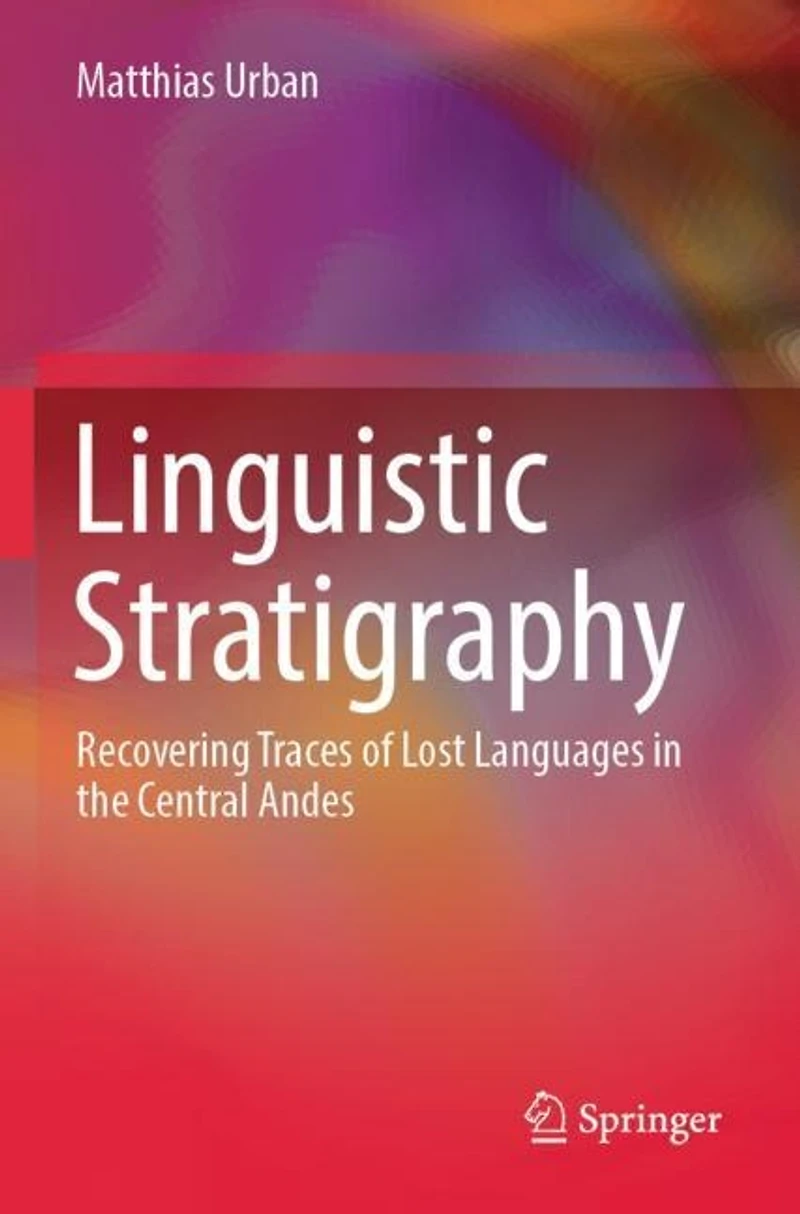
Linguistic Stratigraphy: Recovering Traces of Lost Languages in the Central Andes
Coles
Loading Inventory...
Linguistic Stratigraphy: Recovering Traces of Lost Languages in the Central Andes in Ottawa, ON
Current price: $175.50

Linguistic Stratigraphy: Recovering Traces of Lost Languages in the Central Andes in Ottawa, ON
Current price: $175.50
Loading Inventory...
Size: Paperback
*Product information may vary - to confirm product availability, pricing, shipping and return information please contact Coles
This book examines the historical linguistic panorama of Western South America, focusing on the minor languages that were partially or fully replaced by the expansion of the Quechuan family through the region. The author presents a coherent and generally applicable framework for studying prehistoric language shift processes and reconstructing earlier linguistic landscapes before significant language spreads ousted former patterns of linguistic diversity. This framework combines toponymic evidence with the analysis of substrate contact effects, and, in some cases, extralinguistic evidence, to create an integrated if incomplete of extinct and undocumented languages. In an authoritative exploration of case studies, concerning Aymara in parts of Southern Peru, Cañar in Ecuador, and Chacha in Northern Peru, the book shows how the identities of lost languages and earlier linguistic panoramas can be reconstructed.
This book examines the historical linguistic panorama of Western South America, focusing on the minor languages that were partially or fully replaced by the expansion of the Quechuan family through the region. The author presents a coherent and generally applicable framework for studying prehistoric language shift processes and reconstructing earlier linguistic landscapes before significant language spreads ousted former patterns of linguistic diversity. This framework combines toponymic evidence with the analysis of substrate contact effects, and, in some cases, extralinguistic evidence, to create an integrated if incomplete of extinct and undocumented languages. In an authoritative exploration of case studies, concerning Aymara in parts of Southern Peru, Cañar in Ecuador, and Chacha in Northern Peru, the book shows how the identities of lost languages and earlier linguistic panoramas can be reconstructed.
You May Also Like








More About Coles at Bayshore Shopping Centre
Coles is renowned for its outstanding customer service and great selection of books. Along with the vast array of magazines, stationary, audio-books, children's literature, fiction, non-fiction and reference books, you can find accessories to make your reading experience more pleasurable. We can recommend the very best in reading today. We will help you search our titles for exactly what you need, and if we do not have it in stock, we will order it for you.
100 Bayshore Dr, Nepean, ON K2B 8C1, Canada
Find Coles at Bayshore Shopping Centre in Ottawa, ON
Visit Coles at Bayshore Shopping Centre in Ottawa, ON