

Give the Gift of Choice!
Too many options? Treat your friends and family to their favourite stores with a Bayshore Shopping Centre gift card, redeemable at participating retailers throughout the centre. Click below to purchase yours today!Purchase HereHome
Living And Dying On The Factory Floor: From Outside Inside Out
Coles
Loading Inventory...
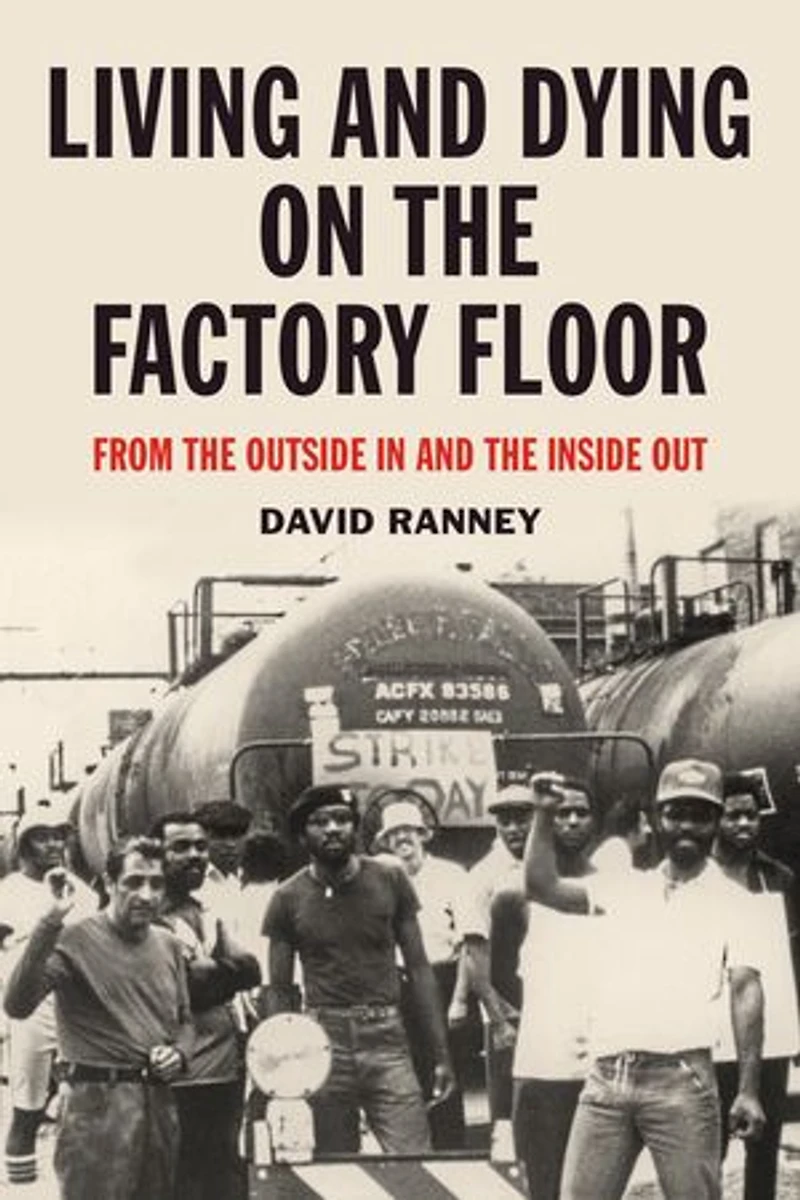
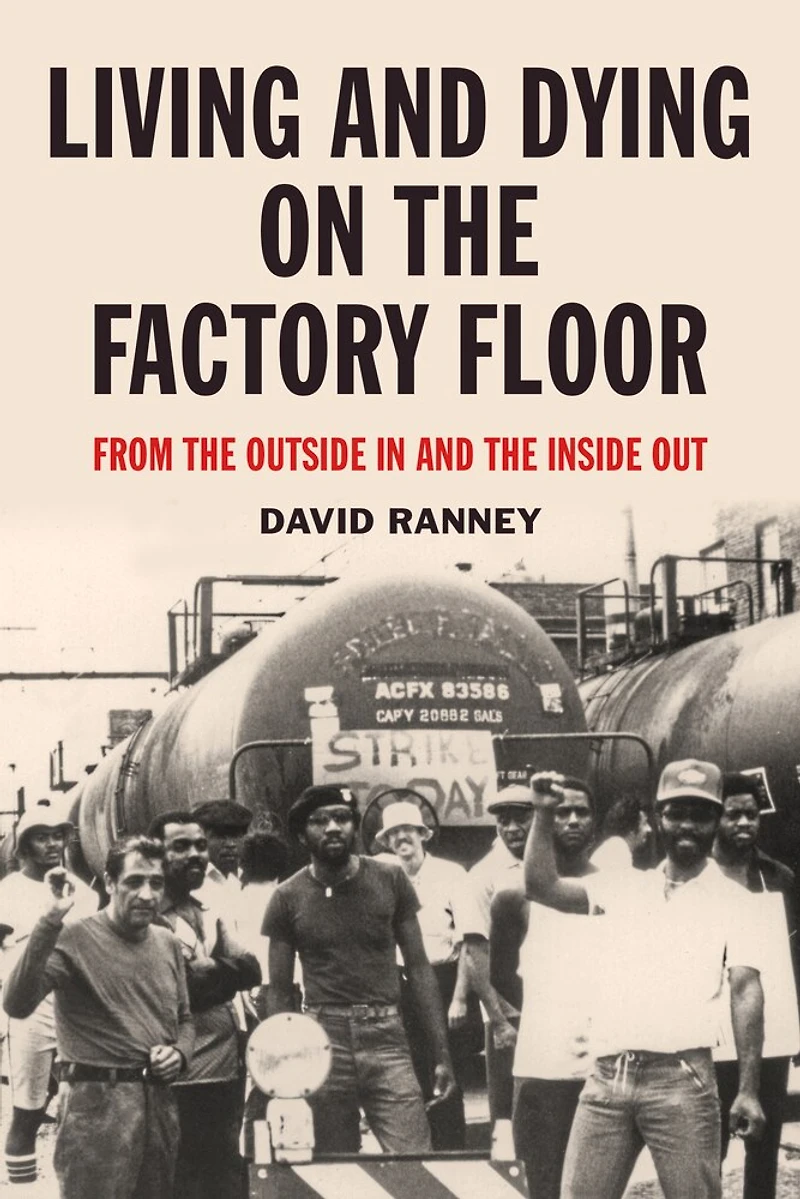
Living And Dying On The Factory Floor: From Outside Inside Out in Ottawa, ON
Current price: $10.99
Original price: $13.56

Living And Dying On The Factory Floor: From Outside Inside Out in Ottawa, ON
Current price: $10.99
Original price: $13.56
Loading Inventory...
Size: Kobo eBook
*Product information may vary - to confirm product availability, pricing, shipping and return information please contact Coles
David Ranney’s vivid memoir describes his work experiences between 1976 and 1982 in the factories of southeast Chicago and northwest Indiana. The book opens with a detailed description of what it was like to live and work in one of the heaviest industrial concentrations in the world. The author takes the reader on a walk through the heart of the South Side of Chicago, observing the noise, heavy traffic, the 24-hour restaurants and bars, the rich diversity of people on the streets at all hours of the day and night, and the smell of the highly polluted air.
Factory life includes stints at a machine shop, a shortening factory, a railroad car factory, a structural steel shop, a box factory, a chemical plant, and a paper cup factory. Along the way there is a wildcat strike, an immigration raid, shop-floor actions protesting supervisor abuses, serious injuries, a failed effort to unionize, and a murder. Ranney’s emphasis is on race and class relations, working conditions, environmental issues, and broader social issues in the 1970s that impacted the shop floor.
Forty years later, the narrator returns to Chicago’s South Side to reveal what happened to the communities, buildings, and the companies that had inhabited them. Living and Dying on the Factory Floor concludes with discussions on the nature of work; racism, race, and class; the use of immigration policy for social control; and our ability to create a just society.
David Ranney’s vivid memoir describes his work experiences between 1976 and 1982 in the factories of southeast Chicago and northwest Indiana. The book opens with a detailed description of what it was like to live and work in one of the heaviest industrial concentrations in the world. The author takes the reader on a walk through the heart of the South Side of Chicago, observing the noise, heavy traffic, the 24-hour restaurants and bars, the rich diversity of people on the streets at all hours of the day and night, and the smell of the highly polluted air.
Factory life includes stints at a machine shop, a shortening factory, a railroad car factory, a structural steel shop, a box factory, a chemical plant, and a paper cup factory. Along the way there is a wildcat strike, an immigration raid, shop-floor actions protesting supervisor abuses, serious injuries, a failed effort to unionize, and a murder. Ranney’s emphasis is on race and class relations, working conditions, environmental issues, and broader social issues in the 1970s that impacted the shop floor.
Forty years later, the narrator returns to Chicago’s South Side to reveal what happened to the communities, buildings, and the companies that had inhabited them. Living and Dying on the Factory Floor concludes with discussions on the nature of work; racism, race, and class; the use of immigration policy for social control; and our ability to create a just society.
You May Also Like















More About Coles at Bayshore Shopping Centre
Coles is renowned for its outstanding customer service and great selection of books. Along with the vast array of magazines, stationary, audio-books, children's literature, fiction, non-fiction and reference books, you can find accessories to make your reading experience more pleasurable. We can recommend the very best in reading today. We will help you search our titles for exactly what you need, and if we do not have it in stock, we will order it for you.
100 Bayshore Dr, Nepean, ON K2B 8C1, Canada
Find Coles at Bayshore Shopping Centre in Ottawa, ON
Visit Coles at Bayshore Shopping Centre in Ottawa, ON