

Give the Gift of Choice!
Too many options? Treat your friends and family to their favourite stores with a Bayshore Shopping Centre gift card, redeemable at participating retailers throughout the centre. Click below to purchase yours today!Purchase HereHome
Lone-Actor Terrorists: A behavioural analysis
Coles
Loading Inventory...
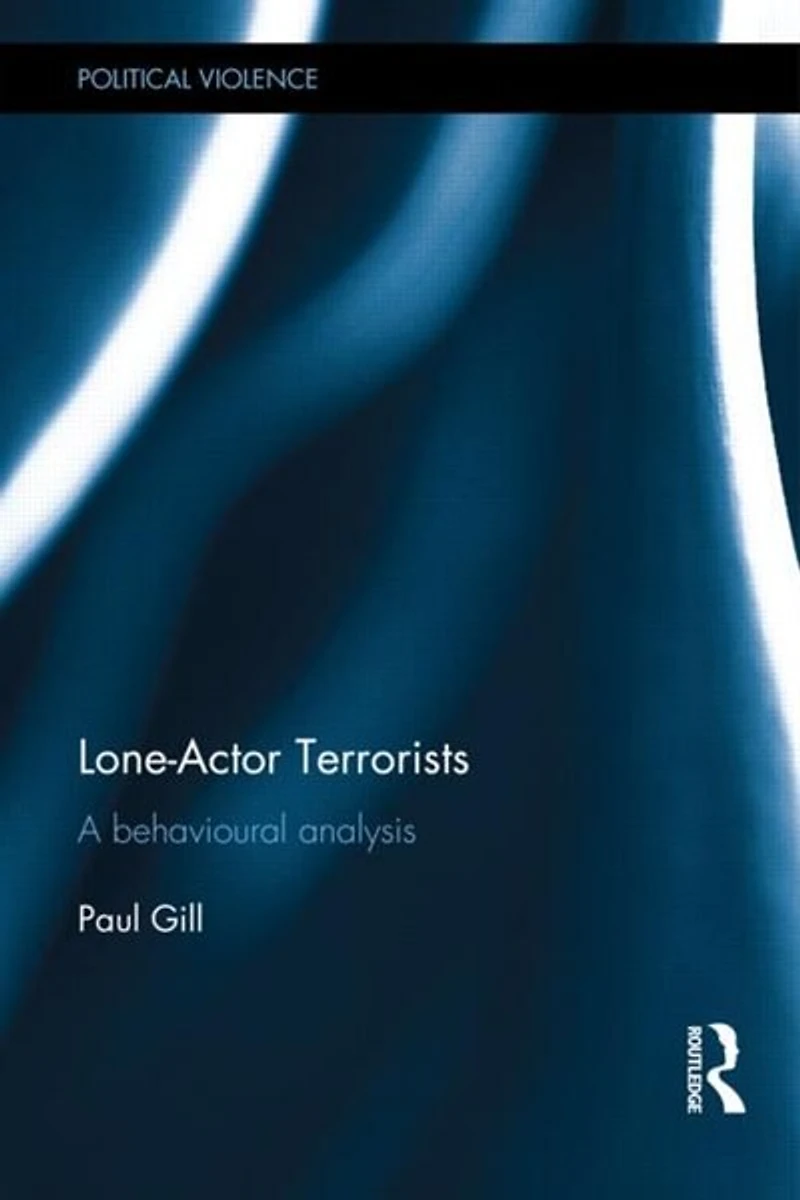
Lone-Actor Terrorists: A behavioural analysis in Ottawa, ON
Current price: $333.50

Lone-Actor Terrorists: A behavioural analysis in Ottawa, ON
Current price: $333.50
Loading Inventory...
Size: Hardcover
*Product information may vary - to confirm product availability, pricing, shipping and return information please contact Coles
This book provides the first empirical analysis of lone-actor terrorist behaviour. Based upon a unique dataset of 111 lone actors that catalogues the life span of the individual's development, the book contains important insights into what an analysis of their behaviours might imply for practical interventions aimed at disrupting or even preventing attacks. It adopts insights and methodologies from criminology and forensic psychology to provide a holistic analysis of the behavioural underpinnings of lone-actor terrorism. By focusing upon the behavioural aspects of each offender and by analysing a variety of case studies, including Anders Breivik, Ted Kaczynski, Timothy McVeigh and David Copeland, this work marks a pointed departure from previous research in the field. It seeks to answer the following key questions:
Is there a lone-actor terrorist profile and how do they differ?
What behaviours did the lone-actor terrorist engage in prior to his/her attack and is there a common behavioural trajectory into lone-actor terrorism?
How 'lone' do lone-actor terrorists tend to be?
What role, if any, does the internet play?
What role, if any, does mental illness play?
This book will be of much interest to students of terrorism/counter-terrorism studies, political violence, criminology, forensic psychology and security studies in general.
This book provides the first empirical analysis of lone-actor terrorist behaviour. Based upon a unique dataset of 111 lone actors that catalogues the life span of the individual's development, the book contains important insights into what an analysis of their behaviours might imply for practical interventions aimed at disrupting or even preventing attacks. It adopts insights and methodologies from criminology and forensic psychology to provide a holistic analysis of the behavioural underpinnings of lone-actor terrorism. By focusing upon the behavioural aspects of each offender and by analysing a variety of case studies, including Anders Breivik, Ted Kaczynski, Timothy McVeigh and David Copeland, this work marks a pointed departure from previous research in the field. It seeks to answer the following key questions:
Is there a lone-actor terrorist profile and how do they differ?
What behaviours did the lone-actor terrorist engage in prior to his/her attack and is there a common behavioural trajectory into lone-actor terrorism?
How 'lone' do lone-actor terrorists tend to be?
What role, if any, does the internet play?
What role, if any, does mental illness play?
This book will be of much interest to students of terrorism/counter-terrorism studies, political violence, criminology, forensic psychology and security studies in general.
You May Also Like












More About Coles at Bayshore Shopping Centre
Coles is renowned for its outstanding customer service and great selection of books. Along with the vast array of magazines, stationary, audio-books, children's literature, fiction, non-fiction and reference books, you can find accessories to make your reading experience more pleasurable. We can recommend the very best in reading today. We will help you search our titles for exactly what you need, and if we do not have it in stock, we will order it for you.
100 Bayshore Dr, Nepean, ON K2B 8C1, Canada
Find Coles at Bayshore Shopping Centre in Ottawa, ON
Visit Coles at Bayshore Shopping Centre in Ottawa, ON