

Give the Gift of Choice!
Too many options? Treat your friends and family to their favourite stores with a Bayshore Shopping Centre gift card, redeemable at participating retailers throughout the centre. Click below to purchase yours today!Purchase HereHome
Long Island Rail Road: Morris Park Shops
Coles
Loading Inventory...
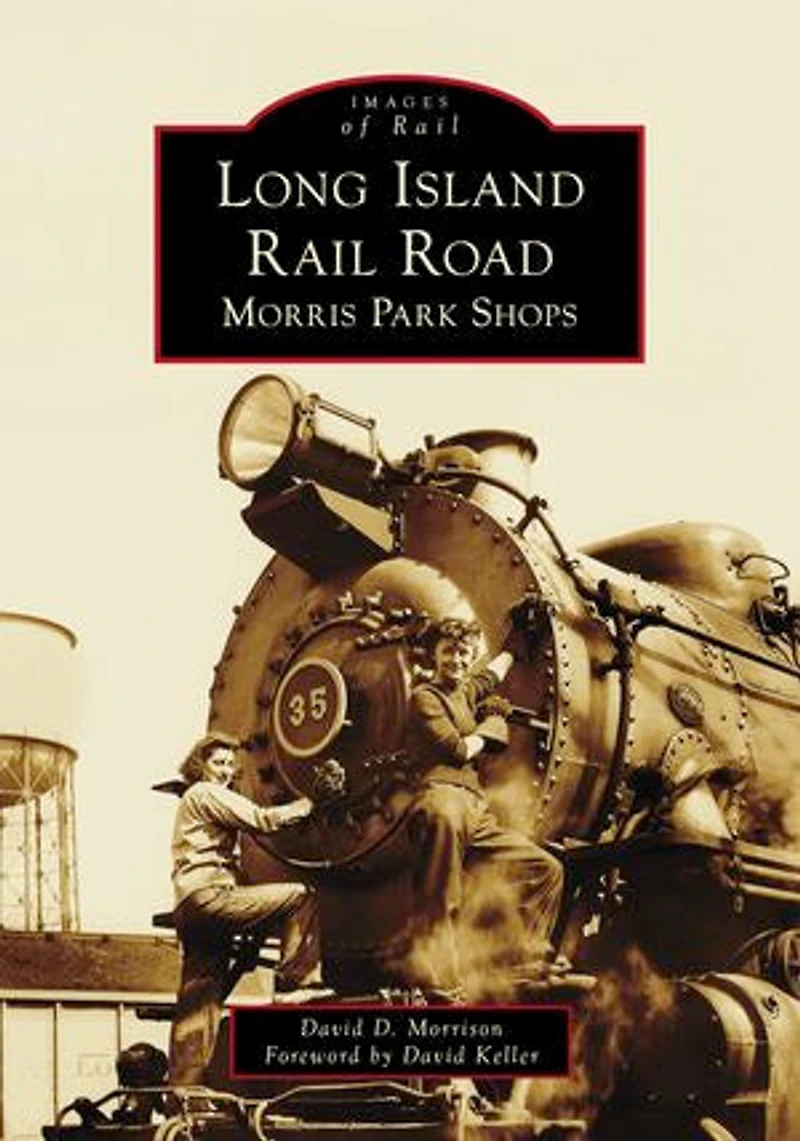
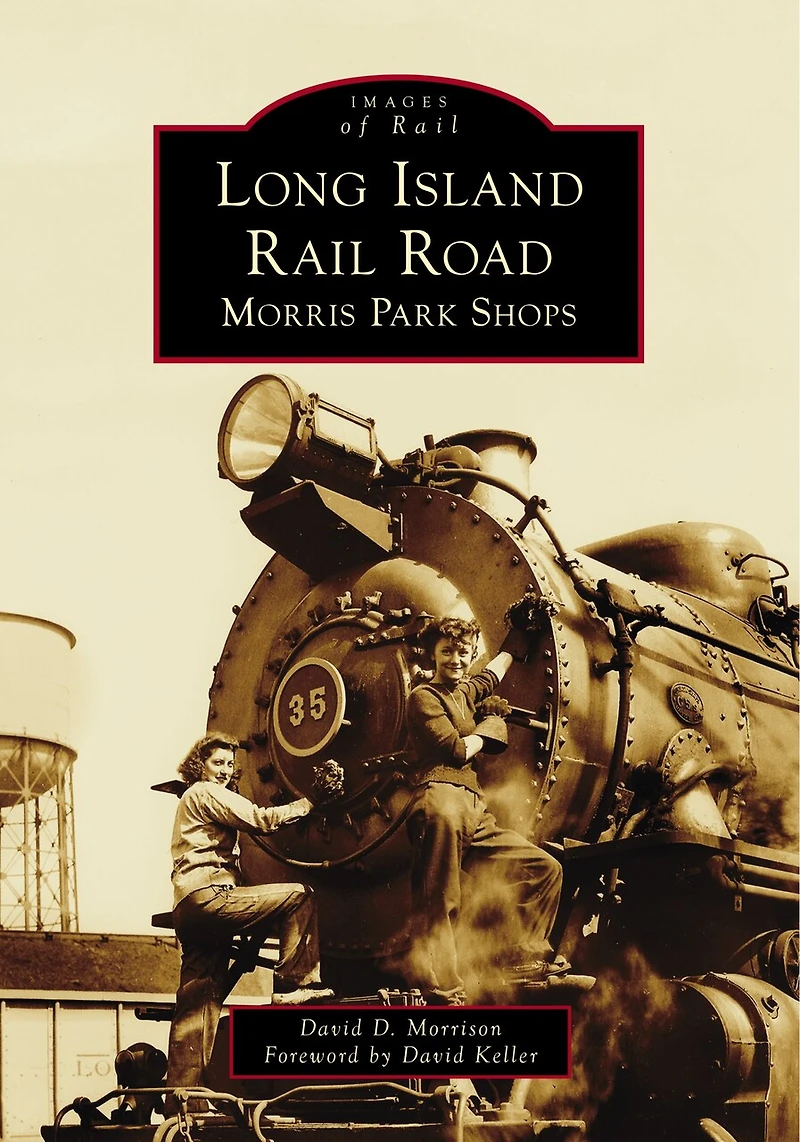
Long Island Rail Road: Morris Park Shops in Ottawa, ON
Current price: $13.80

Long Island Rail Road: Morris Park Shops in Ottawa, ON
Current price: $13.80
Loading Inventory...
Size: Kobo eBook
*Product information may vary - to confirm product availability, pricing, shipping and return information please contact Coles
David D. Morrison, retired Long Island Rail Road (LIRR) branch line manager and railroad historian, has compiled rare photographs to showcase the shops that power the LIRR, the busiest railroad in North America. The LIRR provides passenger rail service from Midtown Manhattan to to the far ends of Long Island at Greenport and Montauk. A vast operation such as this requires a huge fleet of locomotives and cars. The reliability of the fleet rests mainly upon the shop maintenance facility. The Morris Park Shops, opened in 1889 and closed in the early 2000s, provided over a century of maintenance and repair service, allowing the LIRR to develop and expand through the years. The complexity of the shop facility, from the days of steam locomotives to multiple-unit electric cars and diesel locomotives, is a fascinating chapter in LIRR history.
David D. Morrison, retired Long Island Rail Road (LIRR) branch line manager and railroad historian, has compiled rare photographs to showcase the shops that power the LIRR, the busiest railroad in North America. The LIRR provides passenger rail service from Midtown Manhattan to to the far ends of Long Island at Greenport and Montauk. A vast operation such as this requires a huge fleet of locomotives and cars. The reliability of the fleet rests mainly upon the shop maintenance facility. The Morris Park Shops, opened in 1889 and closed in the early 2000s, provided over a century of maintenance and repair service, allowing the LIRR to develop and expand through the years. The complexity of the shop facility, from the days of steam locomotives to multiple-unit electric cars and diesel locomotives, is a fascinating chapter in LIRR history.
You May Also Like










More About Coles at Bayshore Shopping Centre
Coles is renowned for its outstanding customer service and great selection of books. Along with the vast array of magazines, stationary, audio-books, children's literature, fiction, non-fiction and reference books, you can find accessories to make your reading experience more pleasurable. We can recommend the very best in reading today. We will help you search our titles for exactly what you need, and if we do not have it in stock, we will order it for you.
100 Bayshore Dr, Nepean, ON K2B 8C1, Canada
Find Coles at Bayshore Shopping Centre in Ottawa, ON
Visit Coles at Bayshore Shopping Centre in Ottawa, ON