

Give the Gift of Choice!
Too many options? Treat your friends and family to their favourite stores with a Bayshore Shopping Centre gift card, redeemable at participating retailers throughout the centre. Click below to purchase yours today!Purchase HereHome
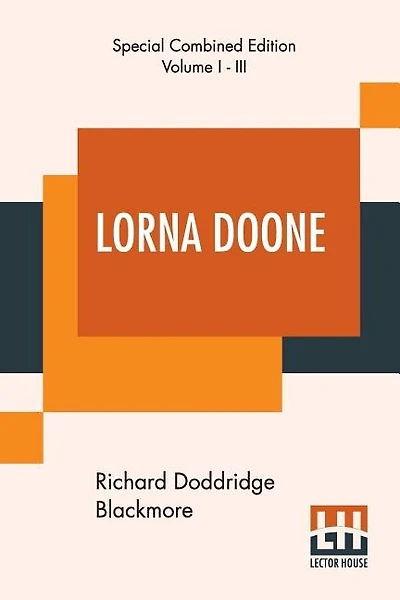
Lorna Doone (Summarized Edition): Enriched edition. A yeoman's courtship amid the Monmouth Rebellion—Exmoor's moorland pastoral of outlaws, vengeance, and the durable truths of land and law
Coles
Loading Inventory...
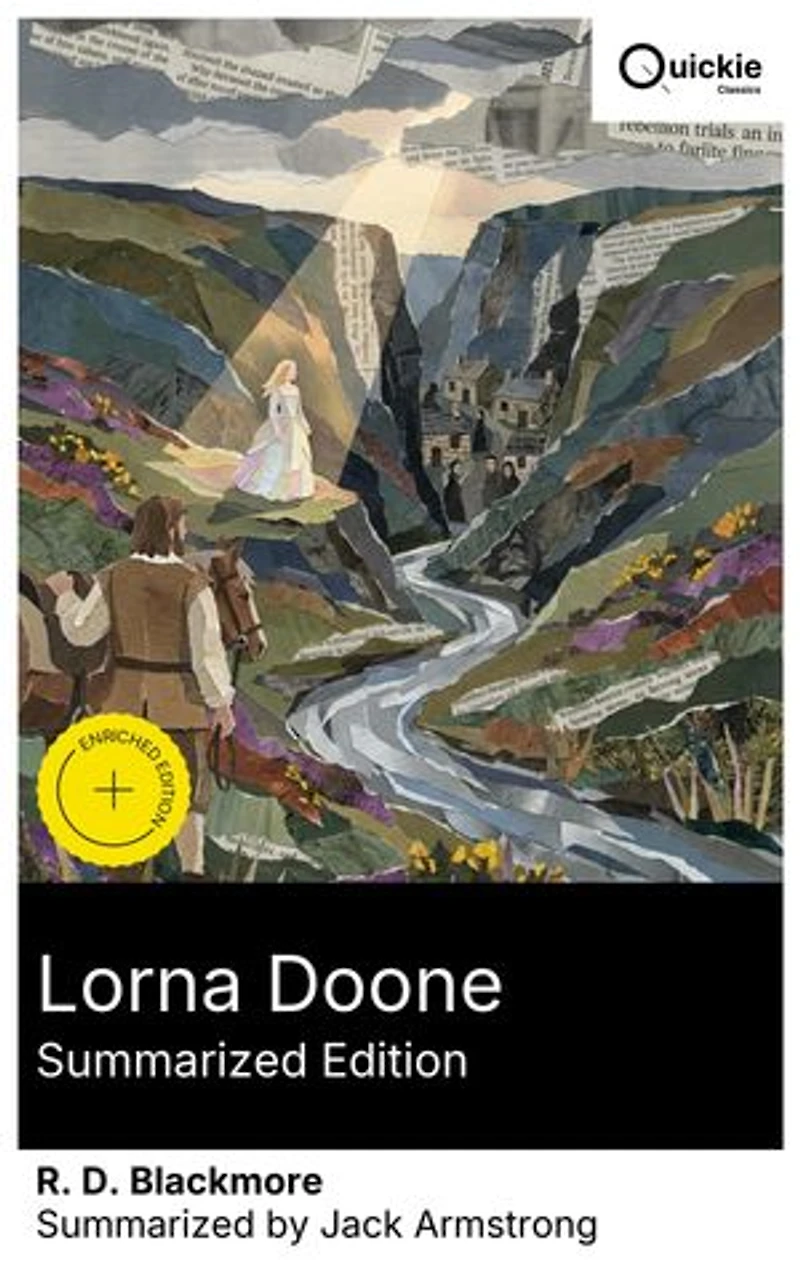
Lorna Doone (Summarized Edition): Enriched edition. A yeoman's courtship amid the Monmouth Rebellion—Exmoor's moorland pastoral of outlaws, vengeance, and the durable truths of land and law in Ottawa, ON
Current price: $2.99

Lorna Doone (Summarized Edition): Enriched edition. A yeoman's courtship amid the Monmouth Rebellion—Exmoor's moorland pastoral of outlaws, vengeance, and the durable truths of land and law in Ottawa, ON
Current price: $2.99
Loading Inventory...
Size: Kobo eBook
*Product information may vary - to confirm product availability, pricing, shipping and return information please contact Coles
Lorna Doone (1869) is John Ridd's first-person chronicle of love and vengeance on Exmoor. Set amid the Monmouth Rebellion and the Bloody Assizes, it entwines a yeoman's courtship of Lorna—ward of the Doone outlaws—with feud, ambush, and the cadences of rural labor. Blackmore blends Scottian historical romance with Victorian regional realism: melodrama is checked by close observation of weather, waterways, hedgerows, and dialect, making the landscape a moral arena as well as a stage. R. D. Blackmore, an Oxford-trained classicist, brief barrister, and later market gardener in Teddington, drew on a West Country upbringing and Tiverton schooling to anchor the book's topography and folk memory. Legends of the Doone band and tales of Tom Faggus, together with his classical pastoral, shaped cadence and imagery; horticultural practice sharpened his botanical precision. Composed against the vogue for sensation fiction, the novel restores gravity through place and character. For readers who relish the sweep of Scott, the regional depth later associated with Hardy, or finely grained nature writing, Lorna Doone remains rewarding. It is both an engrossing romance and a meditation on community, law, and land—a classic that marries narrative momentum to the durable truths of landscape. Quickie Classics summarizes timeless works with precision, preserving the author's voice and keeping the prose clear, fast, and readable—distilled, never diluted. Enriched Edition extras: Introduction · Synopsis · Historical Context · Brief Analysis · 4 Reflection Q&As · Editorial Footnotes.
Lorna Doone (1869) is John Ridd's first-person chronicle of love and vengeance on Exmoor. Set amid the Monmouth Rebellion and the Bloody Assizes, it entwines a yeoman's courtship of Lorna—ward of the Doone outlaws—with feud, ambush, and the cadences of rural labor. Blackmore blends Scottian historical romance with Victorian regional realism: melodrama is checked by close observation of weather, waterways, hedgerows, and dialect, making the landscape a moral arena as well as a stage. R. D. Blackmore, an Oxford-trained classicist, brief barrister, and later market gardener in Teddington, drew on a West Country upbringing and Tiverton schooling to anchor the book's topography and folk memory. Legends of the Doone band and tales of Tom Faggus, together with his classical pastoral, shaped cadence and imagery; horticultural practice sharpened his botanical precision. Composed against the vogue for sensation fiction, the novel restores gravity through place and character. For readers who relish the sweep of Scott, the regional depth later associated with Hardy, or finely grained nature writing, Lorna Doone remains rewarding. It is both an engrossing romance and a meditation on community, law, and land—a classic that marries narrative momentum to the durable truths of landscape. Quickie Classics summarizes timeless works with precision, preserving the author's voice and keeping the prose clear, fast, and readable—distilled, never diluted. Enriched Edition extras: Introduction · Synopsis · Historical Context · Brief Analysis · 4 Reflection Q&As · Editorial Footnotes.
You May Also Like












More About Coles at Bayshore Shopping Centre
Coles is renowned for its outstanding customer service and great selection of books. Along with the vast array of magazines, stationary, audio-books, children's literature, fiction, non-fiction and reference books, you can find accessories to make your reading experience more pleasurable. We can recommend the very best in reading today. We will help you search our titles for exactly what you need, and if we do not have it in stock, we will order it for you.
100 Bayshore Dr, Nepean, ON K2B 8C1, Canada
Find Coles at Bayshore Shopping Centre in Ottawa, ON
Visit Coles at Bayshore Shopping Centre in Ottawa, ON