

Give the Gift of Choice!
Too many options? Treat your friends and family to their favourite stores with a Bayshore Shopping Centre gift card, redeemable at participating retailers throughout the centre. Click below to purchase yours today!Purchase HereHome
Love Subjectivity and Truth: Existential Themes Proust
Coles
Loading Inventory...
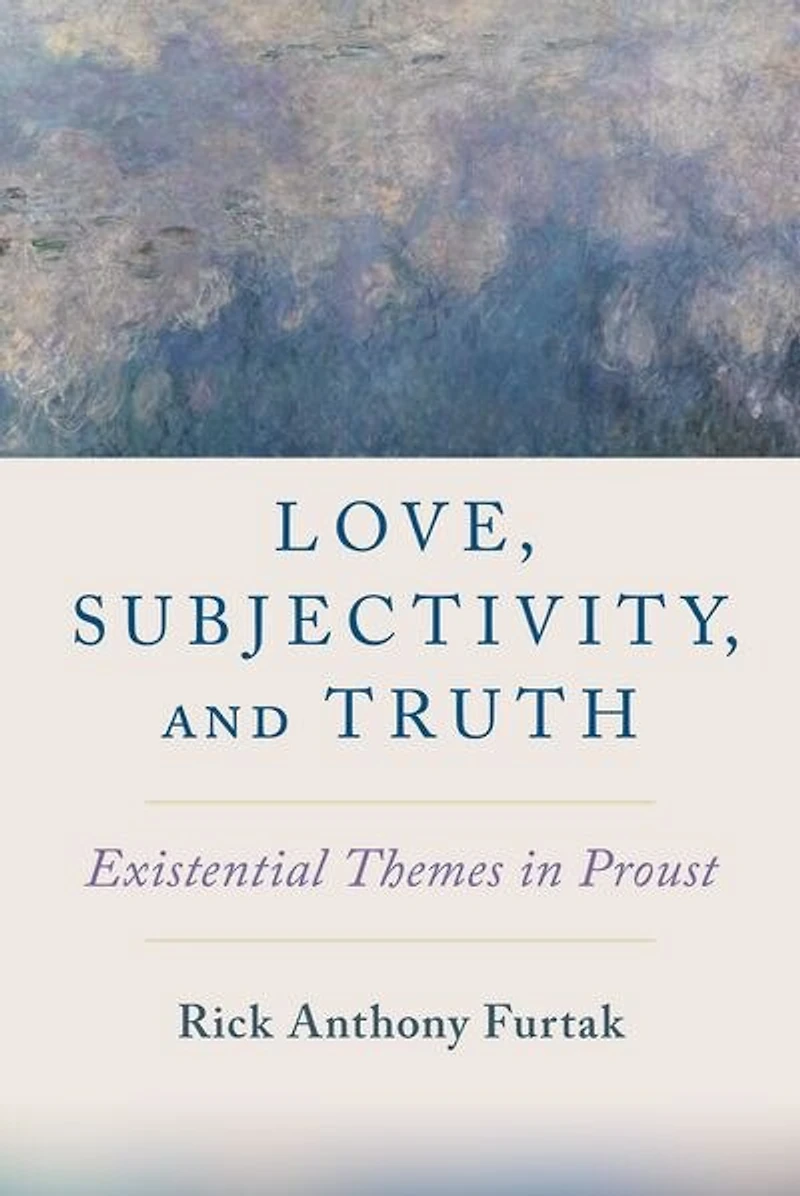
Love Subjectivity and Truth: Existential Themes Proust in Ottawa, ON
Current price: $113.76

Love Subjectivity and Truth: Existential Themes Proust in Ottawa, ON
Current price: $113.76
Loading Inventory...
Size: Hardcover
*Product information may vary - to confirm product availability, pricing, shipping and return information please contact Coles
Love, Subjectivity, and Truth engages in a lively manner with the overlapping areas of philosophy and literature, philosophy of emotions, and existential thought. “Subjective truth,” a phrase used in Proust's novel In Search of Lost Time , is rich with existential connotations. It invokes Kierkegaard above all, but significantly Nietzsche as well, and other philosophers who thematize love, subjectivity, and truth. In Search of Lost Time is especially concerned about what we can know about others through love. Insofar as it conveys and analyzes experience, the novel is capable not only of exploring existential issues but also of doing something like phenomenology. What we know is shaped by our way of knowing, just as the properties of visible, colored objects are determined by the wavelengths of light our eyes can see. Nowhere does the subjective basis of our awareness appear so evident as it does when we view things through loving eyes. In Proust's novel we find skeptical views about love expressed again and again. However, we also note countercurrents, in which love is shown to provide a unique sort of insight. At those times, love seems to be a prerequisite of veridical apprehension. Love, Subjectivity, and Truth investigates this tension as it is played out in Proust's fiction.
Love, Subjectivity, and Truth engages in a lively manner with the overlapping areas of philosophy and literature, philosophy of emotions, and existential thought. “Subjective truth,” a phrase used in Proust's novel In Search of Lost Time , is rich with existential connotations. It invokes Kierkegaard above all, but significantly Nietzsche as well, and other philosophers who thematize love, subjectivity, and truth. In Search of Lost Time is especially concerned about what we can know about others through love. Insofar as it conveys and analyzes experience, the novel is capable not only of exploring existential issues but also of doing something like phenomenology. What we know is shaped by our way of knowing, just as the properties of visible, colored objects are determined by the wavelengths of light our eyes can see. Nowhere does the subjective basis of our awareness appear so evident as it does when we view things through loving eyes. In Proust's novel we find skeptical views about love expressed again and again. However, we also note countercurrents, in which love is shown to provide a unique sort of insight. At those times, love seems to be a prerequisite of veridical apprehension. Love, Subjectivity, and Truth investigates this tension as it is played out in Proust's fiction.
You May Also Like
















More About Coles at Bayshore Shopping Centre
Coles is renowned for its outstanding customer service and great selection of books. Along with the vast array of magazines, stationary, audio-books, children's literature, fiction, non-fiction and reference books, you can find accessories to make your reading experience more pleasurable. We can recommend the very best in reading today. We will help you search our titles for exactly what you need, and if we do not have it in stock, we will order it for you.
100 Bayshore Dr, Nepean, ON K2B 8C1, Canada
Find Coles at Bayshore Shopping Centre in Ottawa, ON
Visit Coles at Bayshore Shopping Centre in Ottawa, ON