

Give the Gift of Choice!
Too many options? Treat your friends and family to their favourite stores with a Bayshore Shopping Centre gift card, redeemable at participating retailers throughout the centre. Click below to purchase yours today!Purchase HereHome
Love, Violence, and the Cross: How Nonviolent God Saves Us Through Cross of Christ
Coles
Loading Inventory...
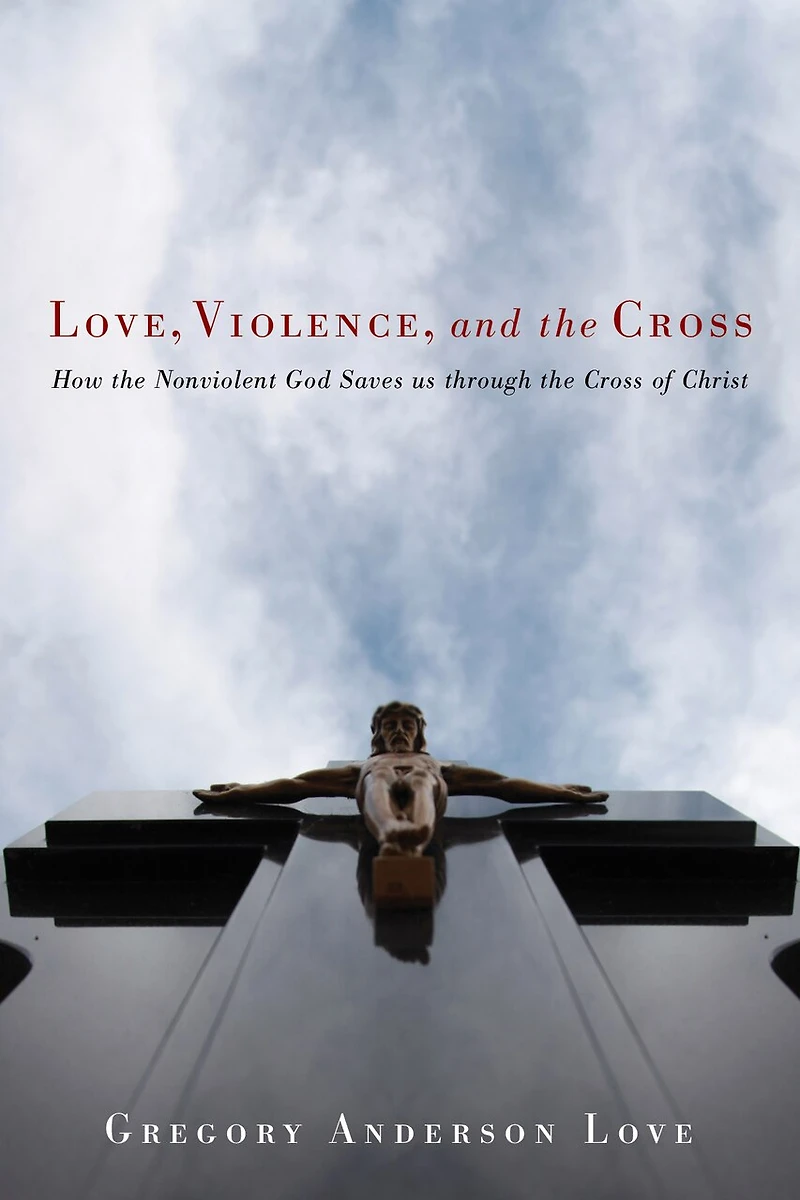

Love, Violence, and the Cross: How Nonviolent God Saves Us Through Cross of Christ in Ottawa, ON
Current price: $91.00

Love, Violence, and the Cross: How Nonviolent God Saves Us Through Cross of Christ in Ottawa, ON
Current price: $91.00
Loading Inventory...
Size: Hardcover
*Product information may vary - to confirm product availability, pricing, shipping and return information please contact Coles
Does God use violence to redeem us? What is the relationship between divine love and violence in regard to the saving significance of the cross of Christ? In Love, Violence, and the Cross, Gregory Love dialogues with two responses to this question, while presenting a third alternative in which Jesus's death is simultaneously a crime and an element of God's saving actions. Through familiar stories in history, literature, and film, Love presents five constructive models that cumulatively affirm God's saving act in the person and work of Christ while letting go the myth of redemptive violence. They affirm redemption, but one with a different shape: Instead of exacting the absolute punishment, God redeems by "making good" God's promise to humanity to secure human life. Love argues that God is nonviolent, while retaining the core idea presented in the New Testament witnesses: that reconciliation occurs in the work of Christ, and that the cross plays a role in that divine work.
Does God use violence to redeem us? What is the relationship between divine love and violence in regard to the saving significance of the cross of Christ? In Love, Violence, and the Cross, Gregory Love dialogues with two responses to this question, while presenting a third alternative in which Jesus's death is simultaneously a crime and an element of God's saving actions. Through familiar stories in history, literature, and film, Love presents five constructive models that cumulatively affirm God's saving act in the person and work of Christ while letting go the myth of redemptive violence. They affirm redemption, but one with a different shape: Instead of exacting the absolute punishment, God redeems by "making good" God's promise to humanity to secure human life. Love argues that God is nonviolent, while retaining the core idea presented in the New Testament witnesses: that reconciliation occurs in the work of Christ, and that the cross plays a role in that divine work.
You May Also Like











More About Coles at Bayshore Shopping Centre
Coles is renowned for its outstanding customer service and great selection of books. Along with the vast array of magazines, stationary, audio-books, children's literature, fiction, non-fiction and reference books, you can find accessories to make your reading experience more pleasurable. We can recommend the very best in reading today. We will help you search our titles for exactly what you need, and if we do not have it in stock, we will order it for you.
100 Bayshore Dr, Nepean, ON K2B 8C1, Canada
Find Coles at Bayshore Shopping Centre in Ottawa, ON
Visit Coles at Bayshore Shopping Centre in Ottawa, ON