

Give the Gift of Choice!
Too many options? Treat your friends and family to their favourite stores with a Bayshore Shopping Centre gift card, redeemable at participating retailers throughout the centre. Click below to purchase yours today!Purchase HereHome
Lucian and His Roman Voices: Cultural Exchanges Conflicts the Late Empire
Coles
Loading Inventory...
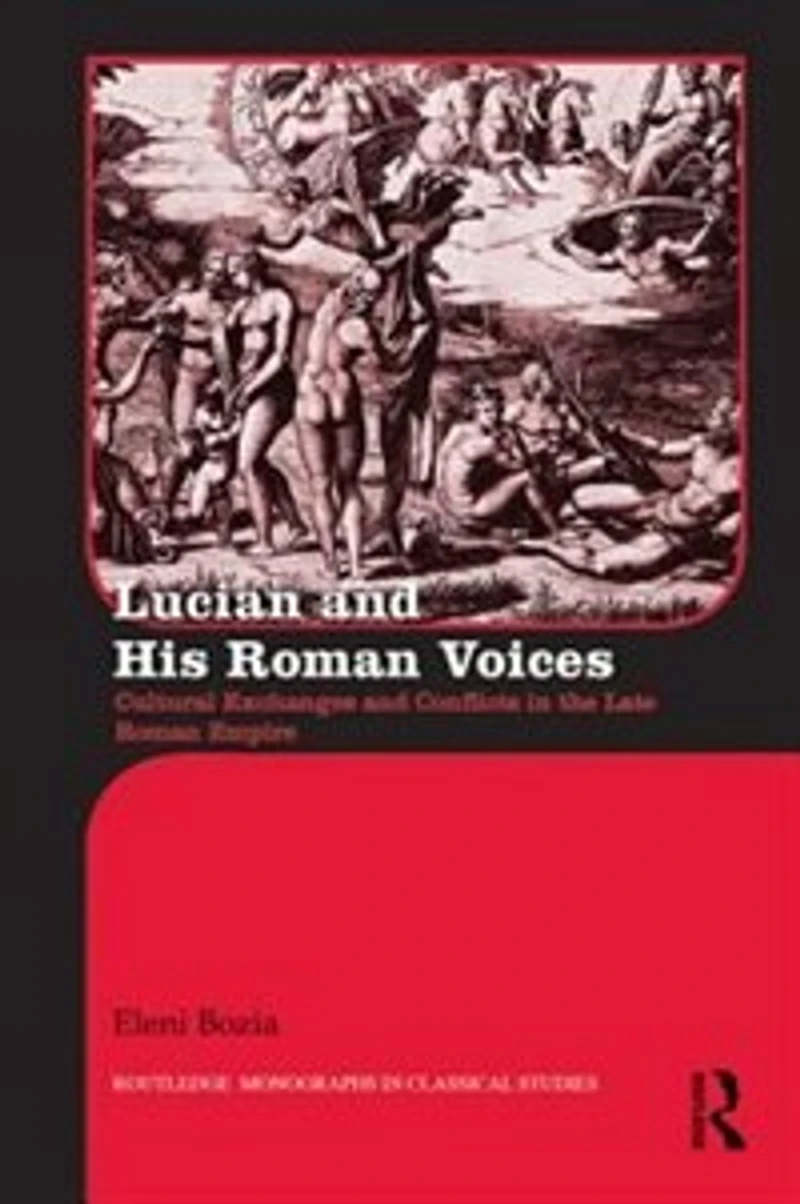
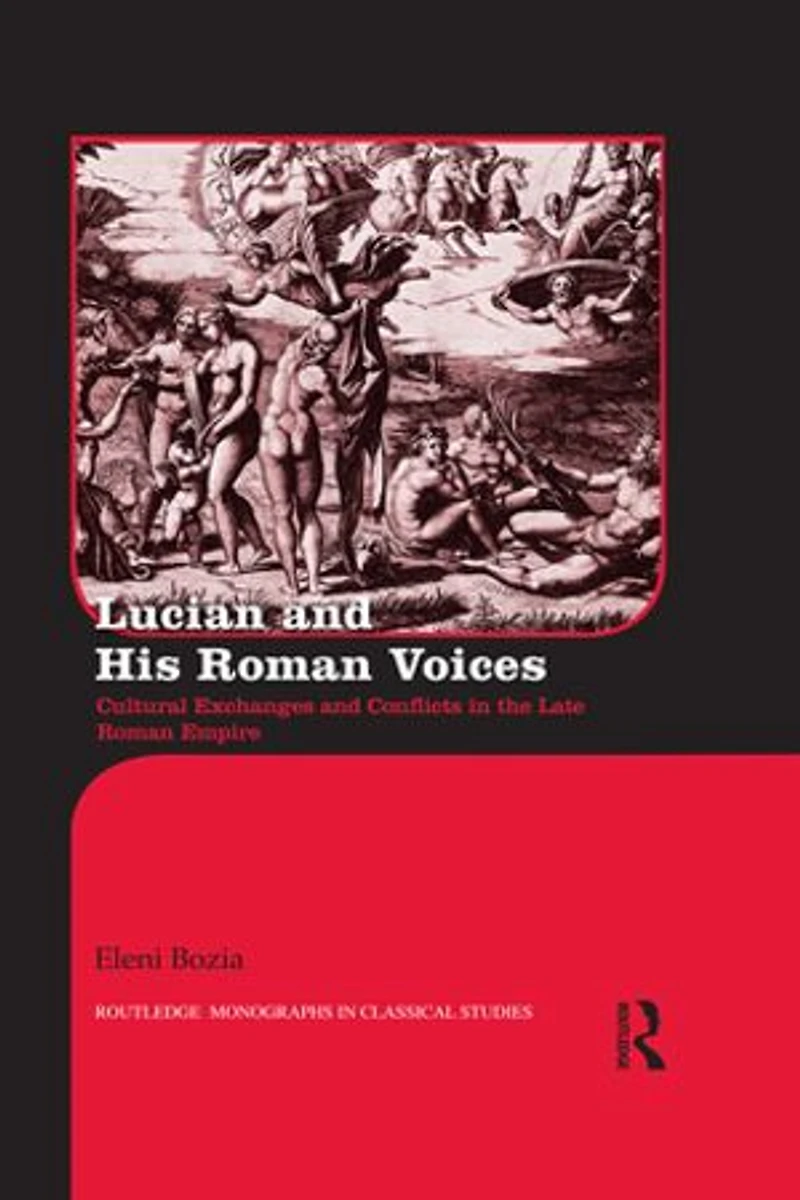

Lucian and His Roman Voices: Cultural Exchanges Conflicts the Late Empire in Ottawa, ON
Current price: $333.50

Lucian and His Roman Voices: Cultural Exchanges Conflicts the Late Empire in Ottawa, ON
Current price: $333.50
Loading Inventory...
Size: Hardcover
*Product information may vary - to confirm product availability, pricing, shipping and return information please contact Coles
Lucian and His Roman Voices examines cultural exchanges, political propaganda, and religious conflicts in the Early Roman Empire through the eyes of Lucian, his contemporary Roman authors, and Christian Apologists. Offering a multi-faceted analysis of the Lucianic corpus, this book explores how Lucian, a Syrian who wrote in Greek and who became a Roman citizen, was affected by the socio-political climate of his time, reacted to it, and how he 'corresponded' with the Roman intelligentsia. In the process, this unique volume raises questions such as: What did the title 'Roman citizen' mean to native Romans and to others? How were language and literature politicized, and how did they become a means of social propaganda? This study reveals Lucian's recondite historical and authorial personas and the ways in which his literary activity portrayed second-century reality from the perspectives of the Romans, Greeks, pagans, Christians, and citizens of the Roman Empire
Lucian and His Roman Voices examines cultural exchanges, political propaganda, and religious conflicts in the Early Roman Empire through the eyes of Lucian, his contemporary Roman authors, and Christian Apologists. Offering a multi-faceted analysis of the Lucianic corpus, this book explores how Lucian, a Syrian who wrote in Greek and who became a Roman citizen, was affected by the socio-political climate of his time, reacted to it, and how he 'corresponded' with the Roman intelligentsia. In the process, this unique volume raises questions such as: What did the title 'Roman citizen' mean to native Romans and to others? How were language and literature politicized, and how did they become a means of social propaganda? This study reveals Lucian's recondite historical and authorial personas and the ways in which his literary activity portrayed second-century reality from the perspectives of the Romans, Greeks, pagans, Christians, and citizens of the Roman Empire
You May Also Like











More About Coles at Bayshore Shopping Centre
Coles is renowned for its outstanding customer service and great selection of books. Along with the vast array of magazines, stationary, audio-books, children's literature, fiction, non-fiction and reference books, you can find accessories to make your reading experience more pleasurable. We can recommend the very best in reading today. We will help you search our titles for exactly what you need, and if we do not have it in stock, we will order it for you.
100 Bayshore Dr, Nepean, ON K2B 8C1, Canada
Find Coles at Bayshore Shopping Centre in Ottawa, ON
Visit Coles at Bayshore Shopping Centre in Ottawa, ON