

Give the Gift of Choice!
Too many options? Treat your friends and family to their favourite stores with a Bayshore Shopping Centre gift card, redeemable at participating retailers throughout the centre. Click below to purchase yours today!Purchase HereHome
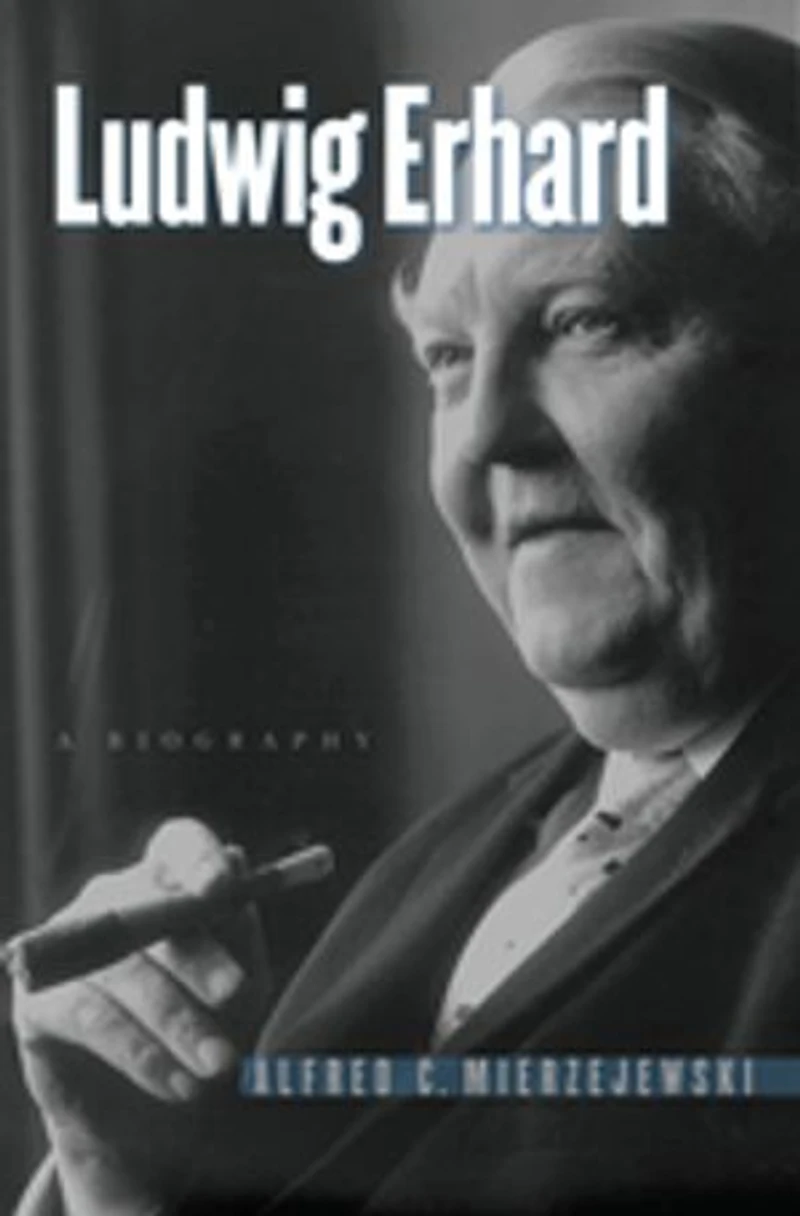
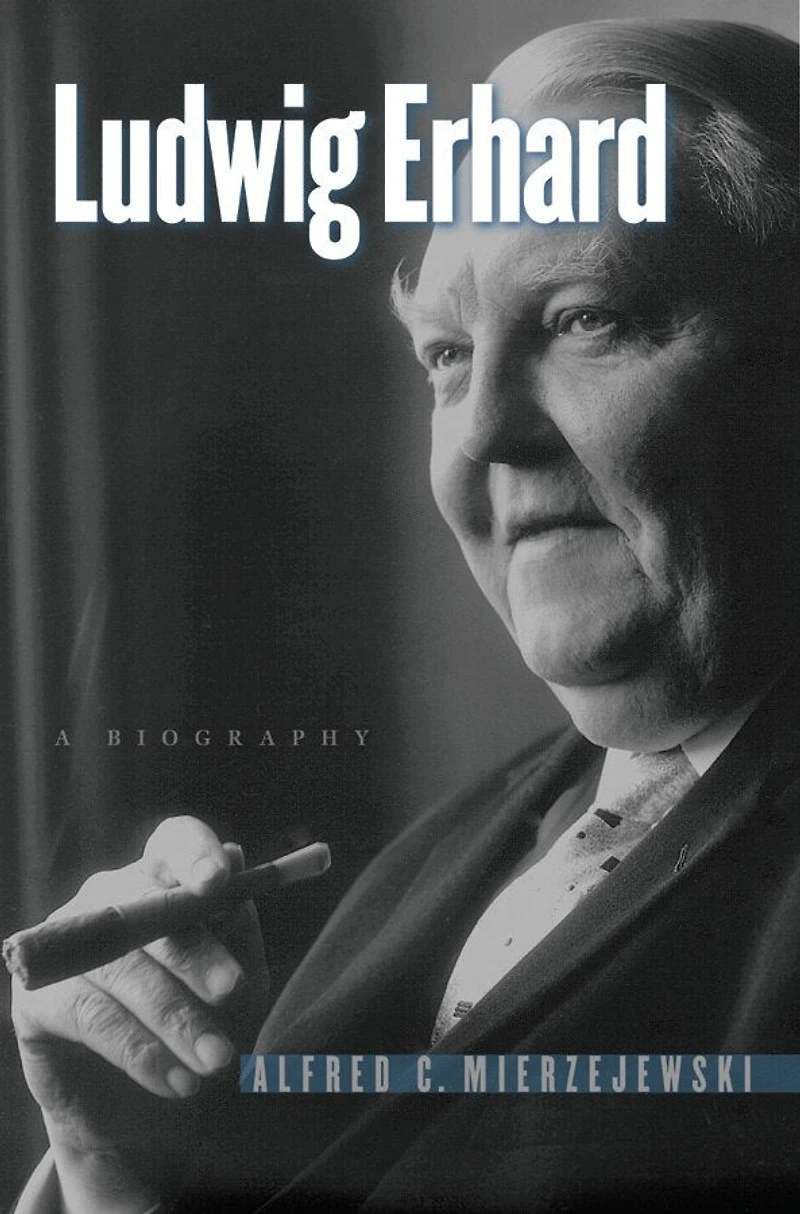
Ludwig Erhard: A Biography
Coles
Loading Inventory...
Ludwig Erhard: A Biography in Ottawa, ON
By None
Current price: $20.79
Original price: $25.99

By None
Ludwig Erhard: A Biography in Ottawa, ON
Current price: $20.79
Original price: $25.99
Loading Inventory...
Size: Kobo eBook
*Product information may vary - to confirm product availability, pricing, shipping and return information please contact Coles
In the first English-language biography of one of the most important figures in postwar German history, Alfred C. Mierzejewski examines the life and service of Ludwig Erhard (1897–1977), West Germany’s first minister of economics and second chancellor. Erhard liberalized the German economy in 1948 and is generally considered the father of West Germany’s “economic miracle” — the period of extraordinary growth in jobs and improvement in the standard of living in the 1950s that helped stabilize Germany’s first successful democracy.
While recent scholarship has dismissed Erhard’s influence on Germany’s economic recovery, Mierzejewski returns to little-cited German analyses and Erhard’s own record and concludes that Allied currency reform and Erhard’s liberalization of the economy were crucial triggers for Germany’s unprecedented economic boom. Mierzejewski provides insight into Erhard’s policies, his ideas, his character, and his relationships with Konrad Adenauer and Charles de Gaulle. By offering a fresh account of Erhard’s career as a leader in postwar West Germany, Mierzejewski provides a deeper understanding of Germany’s economy as well as its democracy.
In the first English-language biography of one of the most important figures in postwar German history, Alfred C. Mierzejewski examines the life and service of Ludwig Erhard (1897–1977), West Germany’s first minister of economics and second chancellor. Erhard liberalized the German economy in 1948 and is generally considered the father of West Germany’s “economic miracle” — the period of extraordinary growth in jobs and improvement in the standard of living in the 1950s that helped stabilize Germany’s first successful democracy.
While recent scholarship has dismissed Erhard’s influence on Germany’s economic recovery, Mierzejewski returns to little-cited German analyses and Erhard’s own record and concludes that Allied currency reform and Erhard’s liberalization of the economy were crucial triggers for Germany’s unprecedented economic boom. Mierzejewski provides insight into Erhard’s policies, his ideas, his character, and his relationships with Konrad Adenauer and Charles de Gaulle. By offering a fresh account of Erhard’s career as a leader in postwar West Germany, Mierzejewski provides a deeper understanding of Germany’s economy as well as its democracy.
You May Also Like














More About Coles at Bayshore Shopping Centre
Coles is renowned for its outstanding customer service and great selection of books. Along with the vast array of magazines, stationary, audio-books, children's literature, fiction, non-fiction and reference books, you can find accessories to make your reading experience more pleasurable. We can recommend the very best in reading today. We will help you search our titles for exactly what you need, and if we do not have it in stock, we will order it for you.
100 Bayshore Dr, Nepean, ON K2B 8C1, Canada
Find Coles at Bayshore Shopping Centre in Ottawa, ON
Visit Coles at Bayshore Shopping Centre in Ottawa, ON