

Give the Gift of Choice!
Too many options? Treat your friends and family to their favourite stores with a Bayshore Shopping Centre gift card, redeemable at participating retailers throughout the centre. Click below to purchase yours today!Purchase HereHome
Luftwaffe Airlift in the Tunisian Bridgehead: Expeditionary Lessons for a Transformation Age
Coles
Loading Inventory...
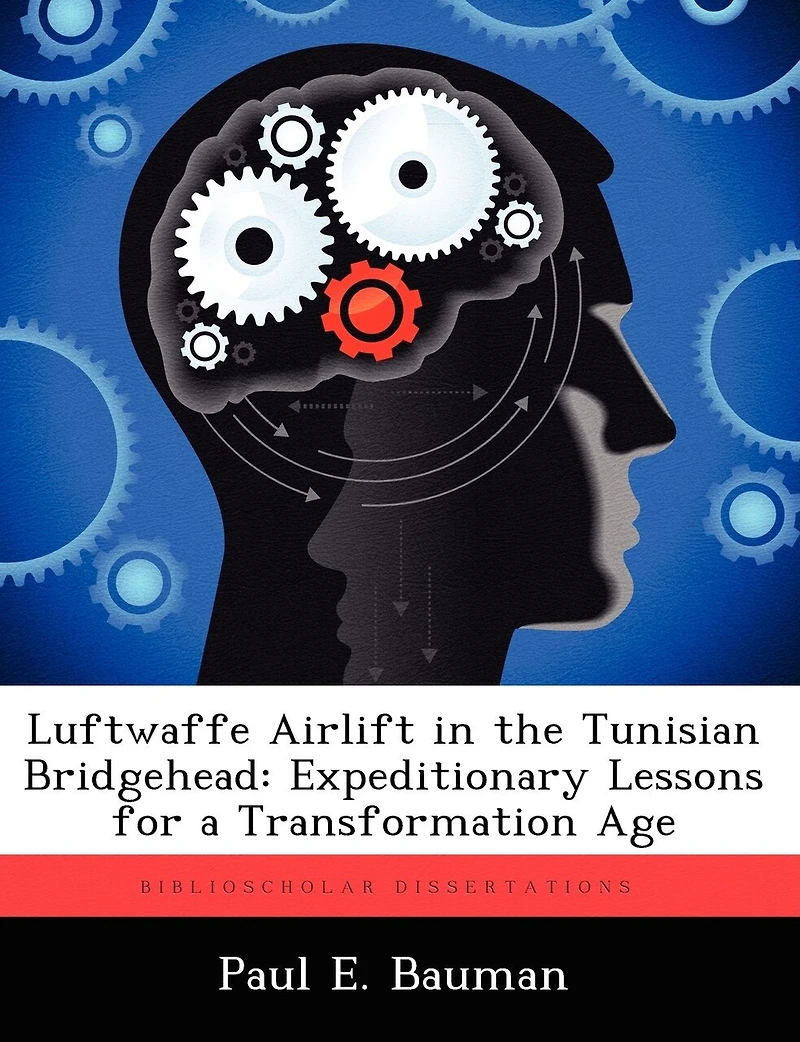
Luftwaffe Airlift in the Tunisian Bridgehead: Expeditionary Lessons for a Transformation Age in Ottawa, ON
Current price: $59.00

Luftwaffe Airlift in the Tunisian Bridgehead: Expeditionary Lessons for a Transformation Age in Ottawa, ON
Current price: $59.00
Loading Inventory...
Size: Paperback
*Product information may vary - to confirm product availability, pricing, shipping and return information please contact Coles
In an age where Department of Defense policy calls for a lighter, leaner US military, the German experience in North Africa during World War II provides an interesting case study. American military transformation aims to make the US armed forces more capable of rapid, global expeditionary operations. The goals and timelines associated with US military policy make the use of airlift for shaping, deployment, employment, and redeployment for expeditionary operations absolutely essential. In short, US strategy has become dependent on the expeditionary capabilities of its military, which are in turn reliant on the speed and reach of air lines-of-communication. By studying German operations in Tunisia from November 1942 to May 1943, American strategists can gain valuable insights into the nexus between strategy and expeditionary operations conducted over strategic distances.
In an age where Department of Defense policy calls for a lighter, leaner US military, the German experience in North Africa during World War II provides an interesting case study. American military transformation aims to make the US armed forces more capable of rapid, global expeditionary operations. The goals and timelines associated with US military policy make the use of airlift for shaping, deployment, employment, and redeployment for expeditionary operations absolutely essential. In short, US strategy has become dependent on the expeditionary capabilities of its military, which are in turn reliant on the speed and reach of air lines-of-communication. By studying German operations in Tunisia from November 1942 to May 1943, American strategists can gain valuable insights into the nexus between strategy and expeditionary operations conducted over strategic distances.
You May Also Like
















More About Coles at Bayshore Shopping Centre
Coles is renowned for its outstanding customer service and great selection of books. Along with the vast array of magazines, stationary, audio-books, children's literature, fiction, non-fiction and reference books, you can find accessories to make your reading experience more pleasurable. We can recommend the very best in reading today. We will help you search our titles for exactly what you need, and if we do not have it in stock, we will order it for you.
100 Bayshore Dr, Nepean, ON K2B 8C1, Canada
Find Coles at Bayshore Shopping Centre in Ottawa, ON
Visit Coles at Bayshore Shopping Centre in Ottawa, ON