

Give the Gift of Choice!
Too many options? Treat your friends and family to their favourite stores with a Bayshore Shopping Centre gift card, redeemable at participating retailers throughout the centre. Click below to purchase yours today!Purchase HereHome
Making Bourbon: A Geographical History of Distilling in Nineteenth-Century Kentucky
Coles
Loading Inventory...
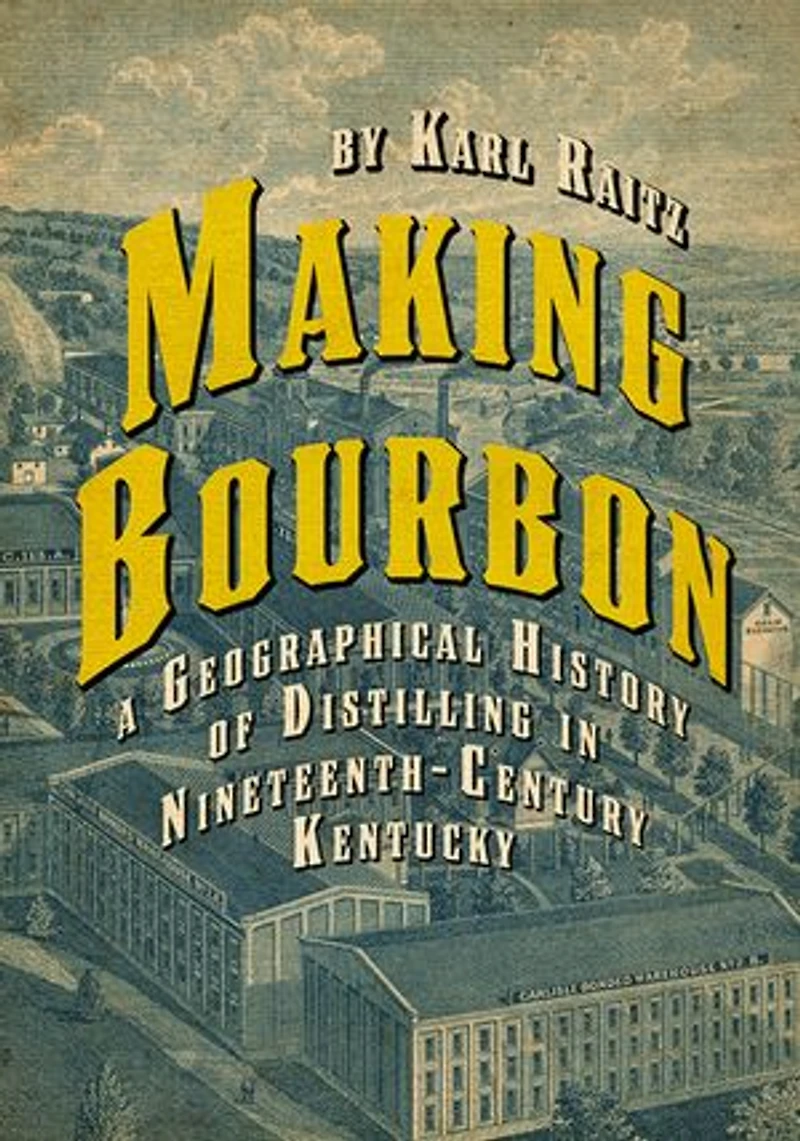
Making Bourbon: A Geographical History of Distilling in Nineteenth-Century Kentucky in Ottawa, ON
Current price: $17.59
Original price: $21.99

Making Bourbon: A Geographical History of Distilling in Nineteenth-Century Kentucky in Ottawa, ON
Current price: $17.59
Original price: $21.99
Loading Inventory...
Size: Kobo eBook
*Product information may vary - to confirm product availability, pricing, shipping and return information please contact Coles
"Raitz examines the rich story of distilling in its Kentucky heartland and traces its maturation from a local craft to an enduring industry." —William Wyckoff, author of How to Read the American West
While other industries chase after the new and improved, bourbon makers celebrate traditions that hearken back to an authentic frontier craft. Distillers enshrine local history in their branding and time-tested recipes, and rightfully so. Kentucky's unique geography shaped the whiskeys its settlers produced, and for more than two centuries, distilling bourbon fundamentally altered every aspect of Kentucky's landscape and culture.
Making Bourbon: A Geographical History of Distilling in Nineteenth-Century Kentucky illuminates how the specific geography, culture, and ecology of the Bluegrass converged and gave birth to Kentucky's favorite barrel-aged whiskey. Expanding on his fall 2019 release Bourbon's Backroads , Karl Raitz delivers a more nuanced discussion of bourbon's evolution by contrasting the fates of two distilleries in Scott and Nelson Counties. In the nineteenth century, distilling changed from an artisanal craft practiced by farmers and millers to a large-scale mechanized industry. The resulting infrastructure—farms, mills, turnpikes, railroads, steamboats, lumberyards, and cooperage shops—left its permanent mark on the land and traditions of the commonwealth. Today, multinational brands emphasize and even construct this local heritage. This unique interdisciplinary study uncovers the complex history poured into every glass of bourbon.
"A gem. The depth of Raitz's research and the breadth of his analysis have produced a masterful telling of the shift from craft to industrial distilling. And in telling us the story of bourbon, Raitz also makes a terrific contribution to our understanding of America's nineteenth-century economy." —David E. Hamilton, author of From New Day to New Deal
"Raitz examines the rich story of distilling in its Kentucky heartland and traces its maturation from a local craft to an enduring industry." —William Wyckoff, author of How to Read the American West
While other industries chase after the new and improved, bourbon makers celebrate traditions that hearken back to an authentic frontier craft. Distillers enshrine local history in their branding and time-tested recipes, and rightfully so. Kentucky's unique geography shaped the whiskeys its settlers produced, and for more than two centuries, distilling bourbon fundamentally altered every aspect of Kentucky's landscape and culture.
Making Bourbon: A Geographical History of Distilling in Nineteenth-Century Kentucky illuminates how the specific geography, culture, and ecology of the Bluegrass converged and gave birth to Kentucky's favorite barrel-aged whiskey. Expanding on his fall 2019 release Bourbon's Backroads , Karl Raitz delivers a more nuanced discussion of bourbon's evolution by contrasting the fates of two distilleries in Scott and Nelson Counties. In the nineteenth century, distilling changed from an artisanal craft practiced by farmers and millers to a large-scale mechanized industry. The resulting infrastructure—farms, mills, turnpikes, railroads, steamboats, lumberyards, and cooperage shops—left its permanent mark on the land and traditions of the commonwealth. Today, multinational brands emphasize and even construct this local heritage. This unique interdisciplinary study uncovers the complex history poured into every glass of bourbon.
"A gem. The depth of Raitz's research and the breadth of his analysis have produced a masterful telling of the shift from craft to industrial distilling. And in telling us the story of bourbon, Raitz also makes a terrific contribution to our understanding of America's nineteenth-century economy." —David E. Hamilton, author of From New Day to New Deal
You May Also Like













More About Coles at Bayshore Shopping Centre
Coles is renowned for its outstanding customer service and great selection of books. Along with the vast array of magazines, stationary, audio-books, children's literature, fiction, non-fiction and reference books, you can find accessories to make your reading experience more pleasurable. We can recommend the very best in reading today. We will help you search our titles for exactly what you need, and if we do not have it in stock, we will order it for you.
100 Bayshore Dr, Nepean, ON K2B 8C1, Canada
Find Coles at Bayshore Shopping Centre in Ottawa, ON
Visit Coles at Bayshore Shopping Centre in Ottawa, ON