

Give the Gift of Choice!
Too many options? Treat your friends and family to their favourite stores with a Bayshore Shopping Centre gift card, redeemable at participating retailers throughout the centre. Click below to purchase yours today!Purchase HereHome
Making Common Sense: On the Construction of Obvious from Antiquity to AI
Coles
Loading Inventory...
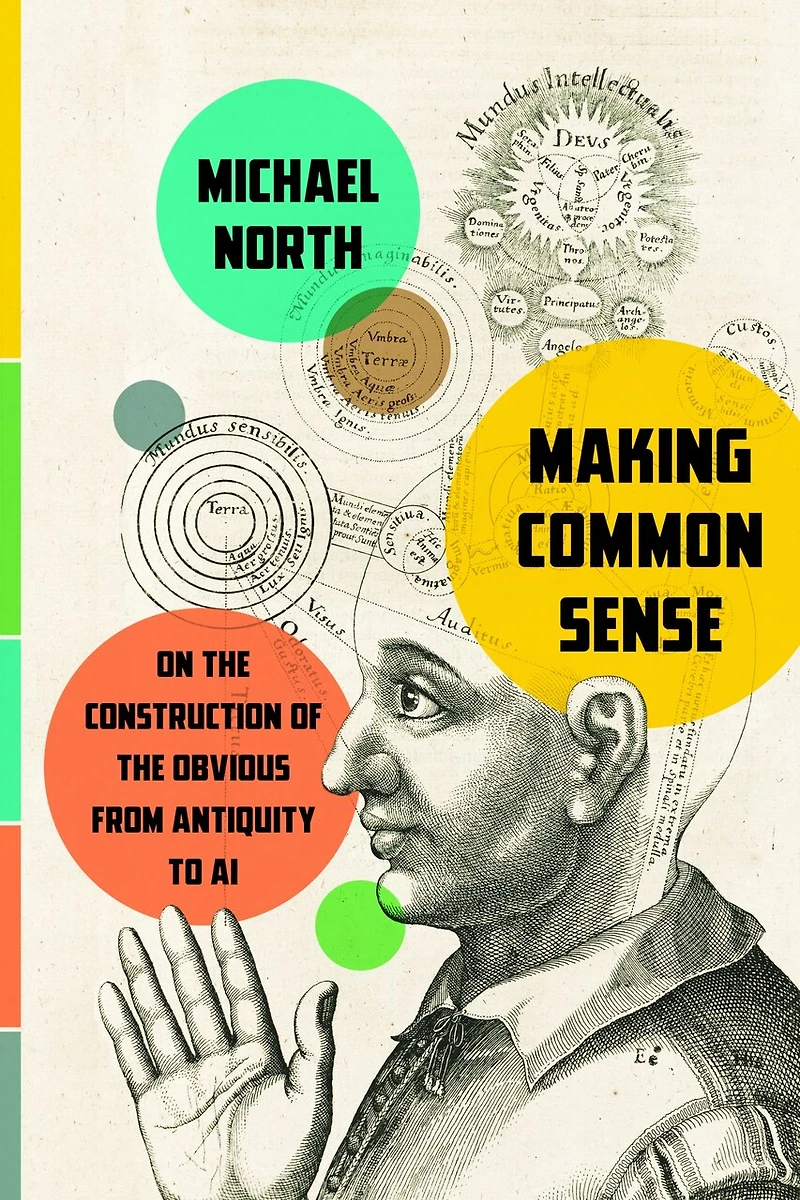
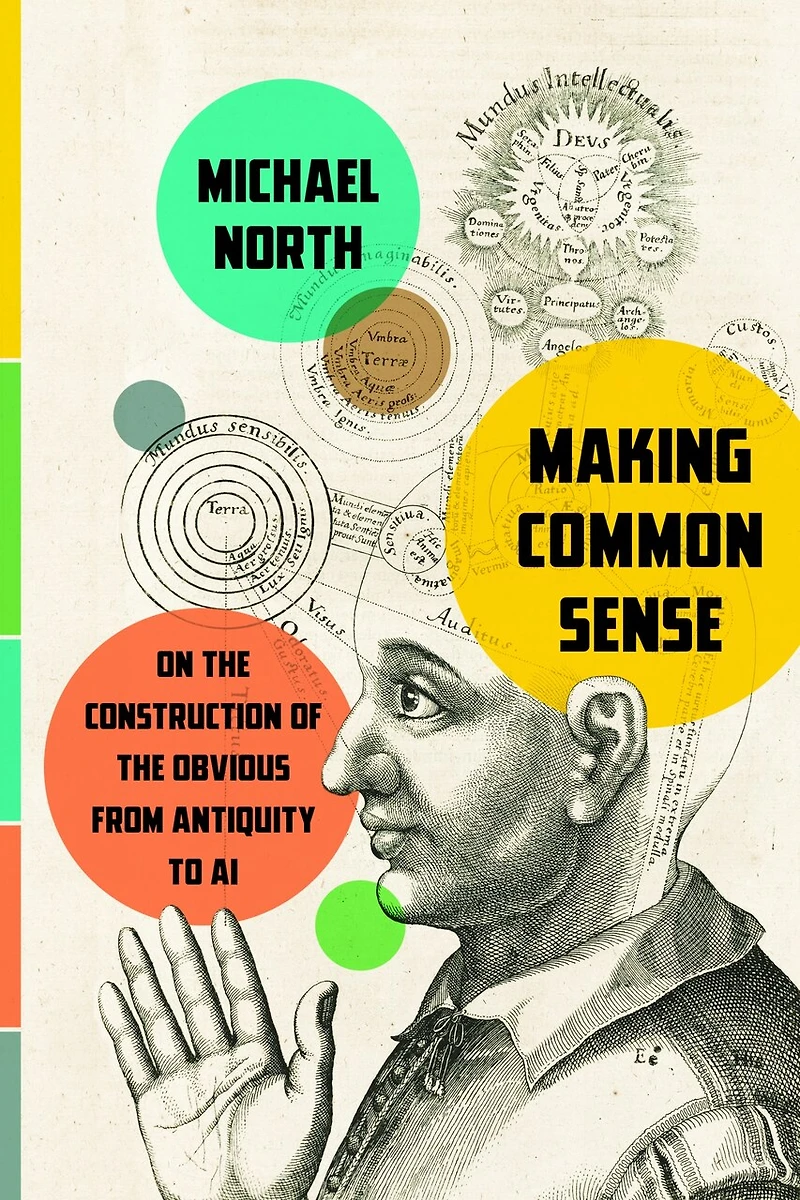
Making Common Sense: On the Construction of Obvious from Antiquity to AI in Ottawa, ON
Current price: $164.99

Making Common Sense: On the Construction of Obvious from Antiquity to AI in Ottawa, ON
Current price: $164.99
Loading Inventory...
Size: Hardcover
*Product information may vary - to confirm product availability, pricing, shipping and return information please contact Coles
Common sense is supposed to be so obvious it can go without saying. And yet, it has been hard to pin down, partly because its contents are vague and inconsistent, and partly because it has always been difficult to say what kind of sense common sense is. Making Common Sense is an historical account of attempts, from antiquity to the present, to solve this puzzle. The ambiguity began centuries ago with the merger of the common sense, the sensorium commune , a kind of sixth sense responsible for coordinating the other five, with the sensus communis , a collection of implicit social habits and beliefs. Ever since, common sense, as a power both practical and thoughtful, has promised to split the difference between sensation and reason, the body and the mind, and between individuals and their society. As challenges from medical science and skeptical philosophy accumulated, though, common sense assumed a number of different forms in response. It has been a physical organ, a mental faculty, a body of knowledge, a system of axioms, an ethical principle, and a synonym for culture, until finally, with game theory and artificial intelligence, it becomes a number. Michael North tracks the obvious through these changes, showing why it remains, even now in the age of AI, as dark and mysterious as it was in the beginning.
Common sense is supposed to be so obvious it can go without saying. And yet, it has been hard to pin down, partly because its contents are vague and inconsistent, and partly because it has always been difficult to say what kind of sense common sense is. Making Common Sense is an historical account of attempts, from antiquity to the present, to solve this puzzle. The ambiguity began centuries ago with the merger of the common sense, the sensorium commune , a kind of sixth sense responsible for coordinating the other five, with the sensus communis , a collection of implicit social habits and beliefs. Ever since, common sense, as a power both practical and thoughtful, has promised to split the difference between sensation and reason, the body and the mind, and between individuals and their society. As challenges from medical science and skeptical philosophy accumulated, though, common sense assumed a number of different forms in response. It has been a physical organ, a mental faculty, a body of knowledge, a system of axioms, an ethical principle, and a synonym for culture, until finally, with game theory and artificial intelligence, it becomes a number. Michael North tracks the obvious through these changes, showing why it remains, even now in the age of AI, as dark and mysterious as it was in the beginning.
You May Also Like










More About Coles at Bayshore Shopping Centre
Coles is renowned for its outstanding customer service and great selection of books. Along with the vast array of magazines, stationary, audio-books, children's literature, fiction, non-fiction and reference books, you can find accessories to make your reading experience more pleasurable. We can recommend the very best in reading today. We will help you search our titles for exactly what you need, and if we do not have it in stock, we will order it for you.
100 Bayshore Dr, Nepean, ON K2B 8C1, Canada
Find Coles at Bayshore Shopping Centre in Ottawa, ON
Visit Coles at Bayshore Shopping Centre in Ottawa, ON